

Few figures in Irish music embody the spirit of rebellion, artistry, and soul as Phil Lynott, the legendary frontman of Thin Lizzy.
Known for his magnetic stage presence, poetic lyrics, and deep connection to his Irish roots, Lynott left an indelible mark on the world.
The statue of Phil Lynott, standing proudly on Harry Street in Dublin, is more than just a tribute to a rock icon—it is a symbol of resilience, creativity, and the enduring power of music.
Let’s dive into the story behind this iconic statue, the man it honors, and the legacy that continues to captivate fans across the globe.
Why Is There a Statue of Phil Lynott?
The Phil Lynott statue was erected to honor one of Ireland’s greatest musicians and cultural figures. Phil Lynott was not just the lead singer and bassist of Thin Lizzy—he was a trailblazer who put Irish rock music on the global stage.
The statue, unveiled in 2005, serves as a physical embodiment of the love and admiration fans feel for the charismatic performer.
The project was spearheaded by the Roisin Dubh Trust, a group dedicated to preserving Lynott’s legacy. The statue is a testament to his influence on music and culture, capturing the essence of a man who lived unapologetically and created timeless music like The Boys Are Back in Town, Whiskey in the Jar, and Dancing in the Moonlight.
The decision to place the statue in Dublin’s bustling city center, on Harry Street, was deliberate. This location, close to Grafton Street, is a fitting tribute to Lynott’s roots in Dublin, where his journey as a musician began. Fans from all over the world flock to the Phil Lynott statue location, leaving flowers, letters, and even guitar picks as tributes.
What Is the Nickname for the Phil Lynott Statue?

The statue has affectionately been nicknamed the “Rock and Roll Gentleman” by fans. It’s an apt description of Lynott, whose charm and style were as legendary as his music. The statue depicts him in his iconic pose, holding a bass guitar and exuding the swagger that made him a captivating performer.
While its official purpose is to honor Lynott, the statue has become a meeting point and photo-op for visitors, further cementing its place in Dublin’s cultural landscape.
Where Is Phil Lynott Buried?
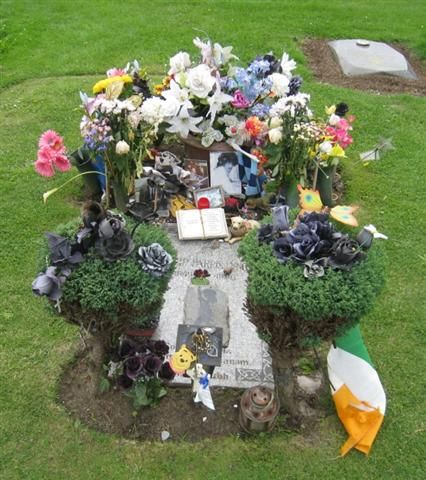
Phil Lynott is buried in St. Fintan’s Cemetery in Sutton, near Howth, a peaceful seaside area just outside Dublin.
His grave is a place of pilgrimage for fans who want to pay their respects to the late rock star. Visitors often leave mementos, such as flowers, poems, and Thin Lizzy memorabilia, at the grave as a tribute to his life and music.
For Lynott, Howth held personal significance. It was a place where he found solace and inspiration. The nearby Phil Lynott Howth connection is often highlighted by those who visit, as it reflects a quieter, more introspective side of the rock legend.
Who Is the Lead Singer of Thin Lizzy Statue?
The Phil Lynott statue is a direct tribute to the lead singer and bassist of Thin Lizzy, a band that redefined rock and roll in the 1970s and 1980s.
Lynott’s soulful voice, poetic songwriting, and commanding presence made him a standout figure in the world of music.
This statue is not just a monument to a man but a celebration of the music that continues to resonate across generations. Fans gather here to connect with Lynott’s legacy and reflect on the cultural impact of Thin Lizzy.
Phil Lynott’s Death and Legacy

How did Phil Lynott die? Lynott passed away on January 4, 1986, at the age of 36. He died from complications related to septicemia and heart failure, exacerbated by years of substance abuse. His untimely death shocked the music world and left a void that has never truly been filled.
Despite his struggles, Lynott’s passion for music and storytelling never waned. His life serves as a cautionary tale but also as a reminder of the immense talent and soul he brought to his craft.
Phil Lynott’s Last Words and Photo
While details of Phil Lynott’s last words remain private, those closest to him often speak of his longing to overcome his challenges and return to music.
His last photo, taken shortly before his hospitalization, reveals a man who had been worn down by years of personal struggles but whose spirit still burned brightly.
Fans look to these final moments as bittersweet reminders of the man behind the legend—a complex, flawed, but deeply inspiring figure.
Phil Lynott’s Family: His Son and Legacy
Phil Lynott’s legacy lives on not just through his music but also through his family. He had two children, Sarah and Cathleen, with his wife, Caroline Crowther.
His son has often spoken about the responsibility of preserving Lynott’s memory, ensuring that his contributions to music and Irish culture are never forgotten.
Lynott’s family has played an active role in events honoring him, from tribute concerts to the unveiling of the statue.
Phil Lynott Statue Vandalised: A Disheartening Moment
In 2013, the Phil Lynott statue was vandalized, an act that deeply upset fans and the local community. The incident involved the statue being damaged during a late-night altercation. Thankfully, the statue was quickly restored, a testament to the enduring dedication of Lynott’s fans and the trust that oversees his legacy.
This event highlighted the emotional connection people have to Lynott and the profound sense of loss felt when his memory is disrespected. The restoration process reaffirmed the statue’s significance as a cultural and spiritual landmark.
Why the Phil Lynott Statue Matters Today
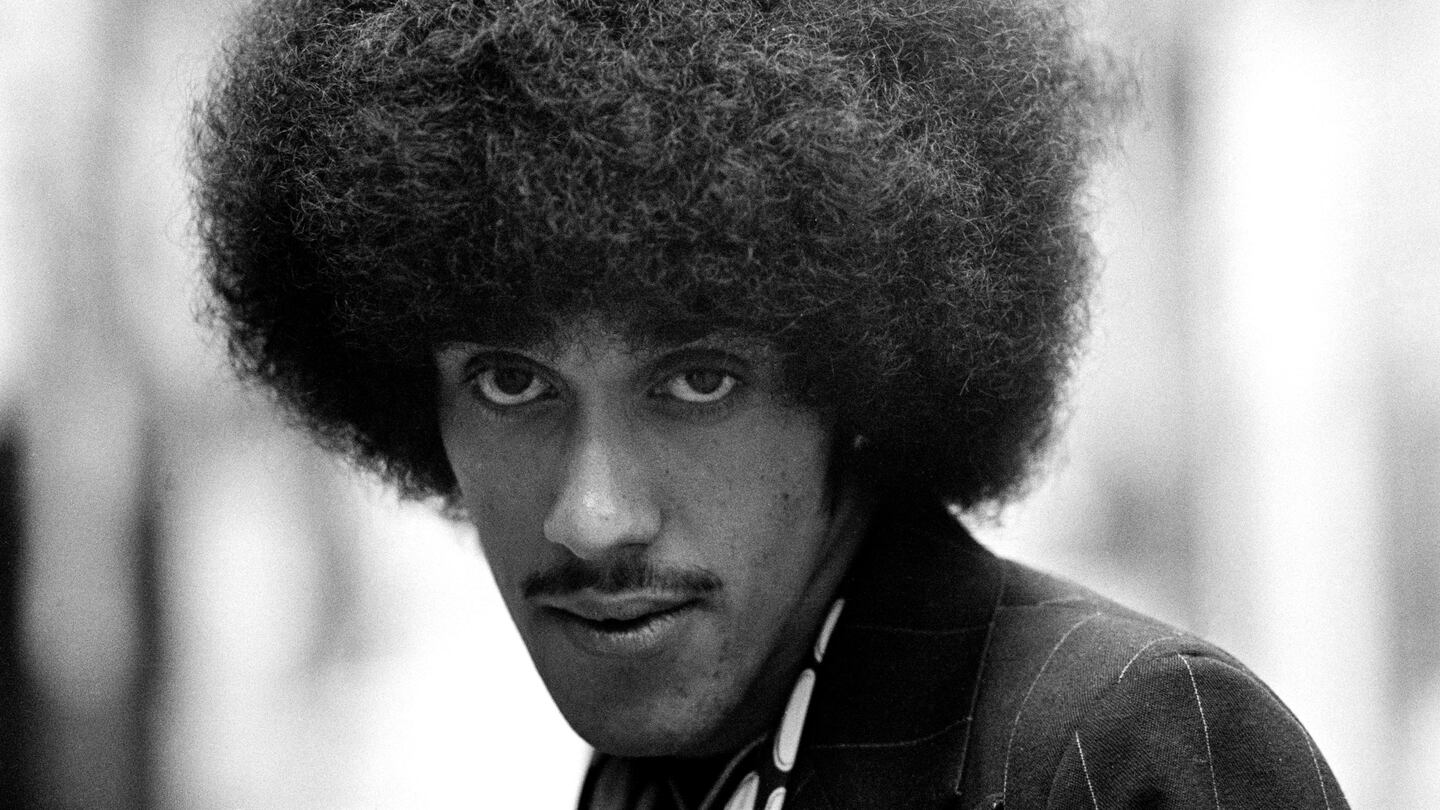
The Phil Lynott statue is more than just a tribute to a musician—it’s a symbol of Ireland’s rich musical heritage and the universal power of rock and roll. It represents a man who broke barriers, both as a black Irishman in a predominantly white industry and as an artist who brought poetry to rock music.
Lynott’s story continues to resonate because it’s about more than fame—it’s about identity, creativity, and the struggle to remain true to oneself. The statue is a gathering place, a source of inspiration, and a reminder that legends never truly die.
Explore More Irish History
For those who want to delve deeper into Ireland’s cultural and historical treasures, these articles are a must-read:
- How Ireland’s Greatest Warrior Can Be Traced to a Small Village in Co. Louth
- Secrets to Carlingford, County Louth
- How the Knights Templar Ruled Co. Louth
- Louth History: Things to Do in Omeath
A Legend Immortalized
The Phil Lynott statue captures the essence of a man who lived passionately and created timeless art. Whether you’re a lifelong fan of Thin Lizzy or a curious traveler discovering Dublin’s rich culture, visiting this statue is an unforgettable experience. It’s a reminder of the power of music to unite, inspire, and endure.
Phil Lynott’s voice may be silenced, but his spirit will forever echo in the streets of Dublin and the hearts of those who love his music.
Phil Lynott: The Man Behind the Statue
While the Phil Lynott statue immortalizes his rock-and-roll persona, it’s important to remember the man beneath the legend. Born in West Bromwich, England, in 1949 to an Irish mother, Philomena Lynott, and a Guyanese father, Lynott moved to Dublin as a child, where he was raised by his grandmother. These formative years in Dublin deeply influenced his identity and music, grounding him in Irish culture while allowing him to explore his individuality as a biracial artist in a predominantly white society.
Phil’s journey to stardom was anything but easy. From humble beginnings to global success with Thin Lizzy, he poured his struggles, dreams, and experiences into his music. Songs like Emerald and Dublin reflect his love for Ireland, while tracks like Sarah—written for his daughter—show his softer, more introspective side.
Phil Lynott’s Contribution to Music
Lynott wasn’t just a performer; he was a poet and storyteller. His lyrics often explored themes of love, loss, rebellion, and identity, making them resonate deeply with audiences. Thin Lizzy’s groundbreaking twin-guitar harmonies and Lynott’s soulful vocals were revolutionary, influencing countless bands that followed.
The Boys Are Back in Town, arguably Thin Lizzy’s most famous song, remains an anthem of camaraderie and celebration. But it’s Lynott’s lesser-known works that reveal his depth as an artist. Tracks like Wild One and Old Town showcase his ability to blend rock with heartfelt emotion, creating songs that feel timeless.
Phil Lynott and Dublin: A Love Story
Phil’s connection to Dublin was unshakable, and the city has embraced him as one of its own. The Phil Lynott statue location on Harry Street, just off Grafton Street, was chosen to reflect his deep ties to the city. It’s near some of Dublin’s most vibrant areas, places where Lynott himself might have walked, written, or dreamed.
Beyond the statue, Dublin carries traces of Phil Lynott everywhere. From murals celebrating his legacy to the pubs where Thin Lizzy songs play on repeat, his spirit is woven into the fabric of the city. The annual Vibe for Philo, a musical event held on the anniversary of his death, gathers fans and musicians to honor his life and work, turning Dublin into a hub of celebration and remembrance.
Phil Lynott’s Struggles and Triumphs
Lynott’s life was one of contrasts—stunning achievements intertwined with personal struggles. Despite his charm and talent, he battled with addiction, which ultimately contributed to his untimely death. Phil Lynott died on January 4, 1986, after succumbing to septicemia and organ failure, exacerbated by his drug use. His death at just 36 years old left the music world reeling and robbed Ireland of one of its brightest stars.
While his struggles often overshadow his story, they also add a layer of humanity to his legacy. Phil Lynott was not a perfect man, but he was a passionate, driven artist who lived life on his own terms. His flaws make him relatable, and his triumphs make him unforgettable.
Phil Lynott’s Legacy in Irish Culture
Over three decades after his death, Phil Lynott remains a cultural icon in Ireland and beyond. His music continues to inspire new generations of artists, and his life story resonates with those who dare to dream big. The Phil Lynott statue vandalized in 2013 was quickly restored, a testament to the community’s dedication to preserving his memory. Such incidents only serve to reinforce the deep love and respect fans have for him.
Lynott’s influence extends beyond music. He has become a symbol of Irish resilience, creativity, and individuality. As a biracial man in Ireland during a time of limited diversity, Lynott broke barriers and showed that identity is multifaceted. His story is one of perseverance, proving that talent and determination can overcome even the most daunting obstacles.
Phil Lynott and Thin Lizzy: A Legacy That Endures
Thin Lizzy’s music is still celebrated worldwide, with songs regularly played on rock radio stations and featured in movies, commercials, and playlists. The band’s groundbreaking sound, driven by Lynott’s leadership, continues to influence rock, metal, and alternative bands to this day.
Lynott’s charisma as the lead singer of Thin Lizzy was undeniable. On stage, he was electric—a blend of raw power and effortless cool. Offstage, he was introspective and poetic, crafting lyrics that felt deeply personal yet universal.
A Pilgrimage for Fans: Visiting the Phil Lynott Statue
For fans of Thin Lizzy and Lynott, visiting the Phil Lynott statue is more than just a photo opportunity—it’s a pilgrimage. Standing before the statue, many reflect on the life and music of a man who inspired millions. Some leave flowers or handwritten notes, while others simply pause to soak in the moment.
Nearby, Dublin’s vibrant streets hum with activity, a fitting backdrop for a tribute to a man who brought so much life and energy to his music. After visiting the statue, fans often venture to Howth to pay their respects at Lynott’s grave in St. Fintan’s Cemetery, completing their journey through his life and legacy.
Phil Lynott: An Irish Legend
Phil Lynott’s story is one of triumph, creativity, and human complexity. His legacy is immortalized not just in a statue on Harry Street but in the hearts of fans who continue to celebrate his music. He was a man of contradictions—a rock star with a poet’s soul, a dreamer with a realist’s grit. His life, though tragically short, burned brightly enough to leave an indelible mark on music and culture.
For those looking to delve deeper into the stories of Irish legends, culture, and history, check out these incredible articles:
- How the Knights Templar Ruled Co. Louth
- Secrets to Carlingford, County Louth
- Louth History: Things to Do in Omeath
- How Ireland’s Greatest Warrior Can Be Traced to a Small Village in Co. Louth
In the words of Phil Lynott himself: “If you have to ask, you’ll never know. If you know, you need only ask.” His legacy lives on, inspiring dreamers and rockers everywhere.
About the Author

Seamus
Administrator
Seamus O Hanrachtaigh is an Irish historian, explorer, and storyteller passionate about uncovering the hidden gems and forgotten heritage of Ireland. With years of hands-on exploration across every county — from misty folklore-rich glens and ancient trails to secret coastal paths and vibrant traditional music sessions — he brings authentic, experience-backed insights to travelers seeking the real Ireland beyond the tourist trails. A regular contributor to Irish Central and other publications, Seamus specializes in Celtic traditions, genealogy, Irish history, and off-the-beaten-path road trips. Every guide on SecretIreland.ie draws from personal adventures, local conversations, rigorous research, and fresh 2026 discoveries to deliver trustworthy content filled with genuine craic and hidden stories that big guidebooks miss. When not chasing the next undiscovered spot, Seamus enjoys trad music sessions and fireside storytelling with fellow enthusiasts who value Ireland’s living culture.