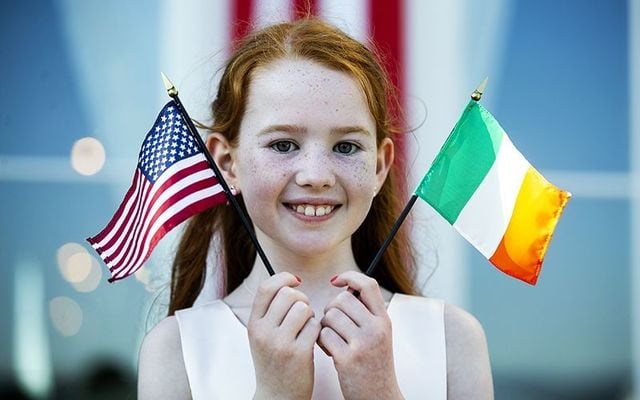
The narrative of Irish immigration to the United States is one of profound transformation, beginning with arduous journeys often spurred by economic hardship and culminating in remarkable success stories.
From the desperate waves of migrants arriving with little more than hope, their descendants have ascended to become some of the nation’s most influential and wealthy figures.
This journey embodies the quintessential “American Dream,” deeply interwoven with Irish resilience, unwavering hard work, and an innate entrepreneurial spirit.
This report delves into the contemporary landscape of prominent Irish-American individuals and the families they represent, exploring the dynamic nature of their wealth and their enduring impact on American society.
Irish American wealth?
While the concept of “Irish-American families” often evokes images of intergenerational wealth building, modern wealth rankings primarily focus on individuals and their net worth.
This presents a distinction: traditional, consolidated family dynasties on the scale of the Waltons are not typically identified as Irish-American. However, the substantial wealth accumulated by leading Irish-American individuals frequently forms the bedrock of family fortunes.
This wealth supports philanthropic endeavors, strategic investments, and provides for future generations, thereby contributing to a significant, albeit often less publicly consolidated, collective wealth legacy. The evolving landscape of wealth creation means that while the focus is on current data, the foundations laid in previous years continue to shape the financial prominence of these families.
From Famine to Fortune: The Historical Roots of Irish-American Wealth
The mid-19th century witnessed a pivotal moment in Irish history that dramatically shaped the demographic and economic landscape of the United States. The Great Irish Famine, devastating Ireland between 1845 and 1852, served as a primary catalyst for mass emigration, with almost 5 million Irish individuals seeking new lives abroad after 1765, nearly 5 million of whom came to the United States. Upon arrival, these immigrants faced immense challenges, including pervasive poverty, widespread discrimination often encapsulated by the phrase “No Irish Need Apply,” and arduous working conditions.
Despite these formidable obstacles, Irish immigrants played a critical role in building the foundational infrastructure of America. They constituted a significant portion of the labor force, instrumental in the construction of the nation’s early network of roads, railways, and canals. These laborers often toiled for meager wages, sometimes as little as 50 cents a day, yet their physical strength and determination were indispensable. Between 8,000 and 10,000 Irish immigrants, for instance, made substantial contributions to the completion of the transcontinental railroad.
John MacKay Irish American
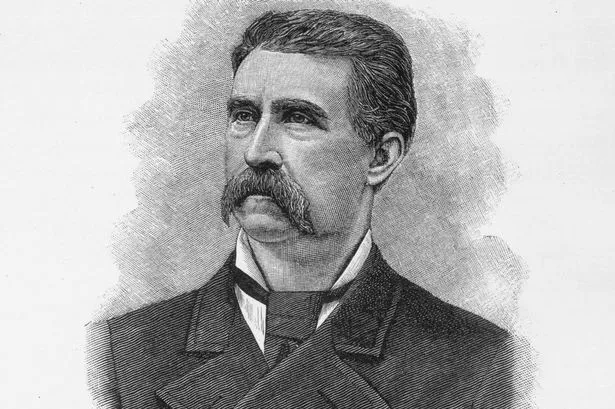
The historical trajectory of Irish immigration demonstrates a profound resilience in the face of adversity. The journey from low-wage labor to entrepreneurship and, as exemplified by Mackay, large-scale industry, illustrates a consistent pattern of identifying and seizing opportunities, even in challenging environments.
Mackay’s later ventures into banking and communications, notably his initiative to break Jay Gould’s monopoly on transatlantic cables, showcase a strategic progression beyond initial wealth generation into diversified, high-impact sectors.
This established a foundational precedent for future generations. While not always directly inheriting a traditional “family business,” subsequent generations inherited an ethos of perseverance, adaptability, and strategic growth that proved crucial in their own paths to prosperity.
This enduring spirit allowed Irish-Americans to overcome initial disadvantages and accumulate significant wealth, paving the way for their prominence in various sectors of the American economy.
Defining Modern Irish-American Wealth: Individuals Shaping Legacies
As noted, contemporary wealth rankings primarily list individuals rather than multi-generational family fortunes.
However, the wealth accumulated by these prominent Irish-American individuals often forms the bedrock of broader family fortunes, supporting philanthropic endeavors, strategic investments, and providing for future generations.
The landscape of wealth has certainly evolved since 2020, but many names from earlier lists continue to hold significant prominence.
Ken Griffin

The question of “Who is the richest Irish American?” can be answered with Ken Griffin. As of Forbes’ 2024 list, Ken Griffin, the founder of Citadel, a global investment firm established in 1990, holds a net worth of $42.3 billion. He is also recognized for his substantial philanthropic contributions, having donated approximately $500 million, including a notable $150 million to a Harvard financial aid program.
Beyond Griffin, numerous other Irish-American individuals have achieved significant wealth, representing diverse industries and contributing to the collective economic power of this demographic. While some of the reported net worth figures for these individuals may reflect older data, their contributions and influence remain significant:
- Jim Kennedy: As the grandson of Cox Enterprises founder James Cox, Kennedy shares ownership of the media conglomerate. He served as the company’s CEO for two decades, during which he significantly grew its revenue from $1.8 billion to $15.4 billion.
- John Malone: Often referred to as the ‘Cable Cowboy,’ Malone became CEO of TCI at 29 and later sold the firm to AT&T for over $50 billion. His extensive landholdings, including two castles in Ireland, underscore his enduring wealth and influence.
- Charles Dolan: A pioneer in cable television, Dolan founded both HBO and Cablevision. At 92, he maintains controlling stakes in AMC Networks and The Madison Square Garden Company, demonstrating a long and impactful career.
- Jack Dorsey: The co-founder of Twitter (now X) and Square (now Block), Dorsey represents the new wave of tech wealth. His Irish Catholic background is often highlighted in his profile.
- Robert McNair: The owner of the Houston Texans NFL franchise, McNair built his fortune through the sale of his power generator company, Cogen Technologies, to Enron for $1.5 billion. He and his wife are also noted philanthropists.
- Vincent McMahon: As CEO and chairman of World Wrestling Entertainment (WWE), McMahon transformed a regional wrestling operation into a global brand generating approximately $1 billion annually.
- Patrick Ryan: The founder and retired chairman of AON Insurance Company, Ryan is a significant figure in Chicago’s business community and a benefactor to institutions like the Art Institute of Chicago.
- Timothy Boyle: Representing a multi-generational business, Boyle is the fourth generation to lead Columbia Sportswear, a renowned outerwear company that achieved record sales under his leadership.
- Robert ‘Bobby’ Cornelius Murphy: Co-founder and CTO of the social media application Snapchat, Murphy is another prominent young tech billionaire who, along with his co-founder, established the Snap Foundation for philanthropic endeavors.
The evolution of Irish-American wealth generation reflects a significant economic transformation. Historically rooted in physical labor, infrastructure development, and resource extraction, the modern landscape sees wealth predominantly generated in finance, media, and technology.
This progression from industries reliant on physical strength to those driven by intellect, innovation, and capital mirrors the broader economic shifts in the United States.
It also underscores the successful integration and upward mobility of Irish-Americans across generations, demonstrating how initial wealth, even if modest, provided the springboard for education and entry into more lucrative, less physically demanding sectors.
This shift has led to exponential wealth accumulation and the formation of new, diverse “family” legacies, where the shared heritage is marked by collective achievement and influence rather than a single consolidated business.
Notable Irish-American Billionaires (2024)
| Name | Net Worth (USD) | Primary Source of Wealth | Key Contributions/Companies |
| Ken Griffin | $42.3 Billion (2024) | Hedge Funds (Citadel) | Founder of Citadel; Significant Philanthropist |
| Jim Kennedy | $9.3 Billion (Older data) | Media (Cox Enterprises) | Grew Cox Enterprises revenue significantly |
| John Malone | $7.5 Billion (Older data) | Cable Television (TCI), Investments | ‘Cable Cowboy’; Largest individual private landowner in the US |
| Charles Dolan | $6.7 Billion (Older data) | Cable Television (HBO, Cablevision) | Pioneer in cable TV; owns AMC Networks, Madison Square Garden Co. |
| Jack Dorsey | $6.3 Billion (Older data) | Technology (Twitter, Square) | Co-founder of Twitter and Square (Block) |
| Robert McNair | $3.8 Billion (Older data) | Power Generation, NFL (Houston Texans) | Owner of Houston Texans; sold Cogen Technologies to Enron |
| Vincent McMahon | $3.3 Billion (Older data) | Entertainment (WWE) | Transformed WWE into a global brand |
| Patrick Ryan | $2.8 Billion (Older data) | Insurance (AON Insurance Company) | Founder of AON; major Chicago philanthropist |
| Timothy Boyle | $2.5 Billion (Older data) | Apparel (Columbia Sportswear) | Fourth-generation head of Columbia Sportswear |
| Robert ‘Bobby’ Cornelius Murphy | $2.3 Billion (Older data) | Technology (Snapchat) | Co-founder and CTO of Snapchat |
Note: Net worth figures for individuals other than Ken Griffin are based on older data from the provided materials, primarily from 2018. Ken Griffin’s 2024 net worth is from a more recent Forbes list.
The Richest Family in America: A Broader Context
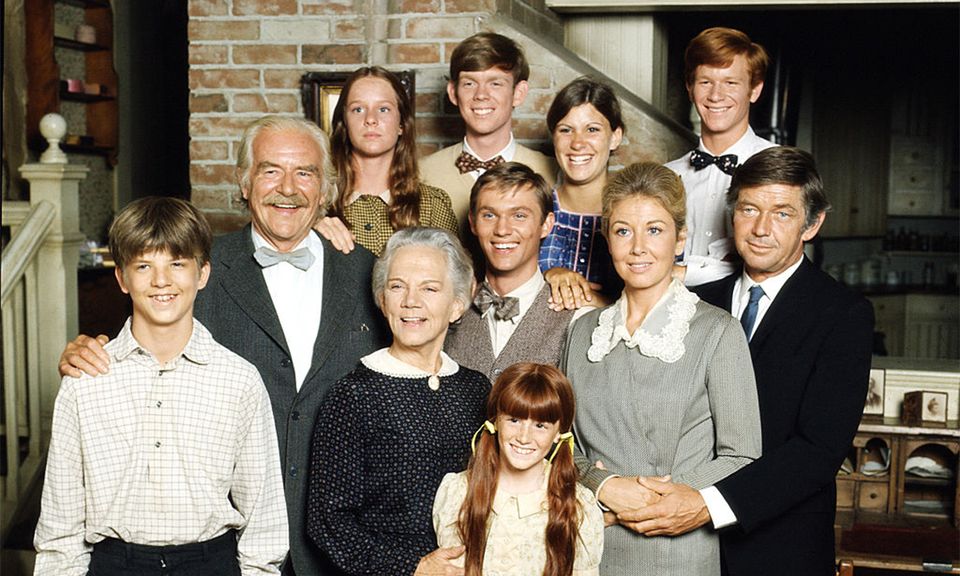
When considering “Which family is the richest family in America?”, it is important to provide a broader context beyond specific ethnic groups. The wealthiest family in the United States is unequivocally the Walton family, founders of the retail giants Walmart and Sam’s Club. Their combined wealth was estimated at an astonishing $289.8 billion in 2024. Individual members such as Rob Walton ($110 billion), Jim Walton ($109 billion), and Alice Walton ($101 billion) are consistently ranked among the world’s wealthiest individuals, reinforcing their collective financial dominance.
Where Irish Roots Run Deep: Communities Across the USA
The enduring legacy of Irish immigration is also evident in the vibrant communities that have thrived across the United States. In response to the question, “Where is the biggest Irish community in the USA?”, various metrics can be considered. By some measures, New York City, NY, is identified as the “Most Irish City” in America. This designation is particularly notable given that Irish Americans constitute a relatively small percentage (4.4%) of the city’s total population. Historically, New York City experienced the largest influx of Irish immigrants, with 26% of Manhattan’s population being Irish by 1855, a figure that rose to 60% by 1900. This profound historical presence continues to shape its cultural identity.
Other major urban centers with significant Irish-American populations and cultural influence include Chicago, IL; Boston, MA; Philadelphia, PA; and San Francisco, CA. These cities, particularly on the East Coast, served as primary entry points for immigrants and developed strong Irish-American communities over generations.
At the state level, the distribution of Irish heritage reveals an interesting dynamic. In terms of percentage of the white population identifying as Irish, Massachusetts leads with 28.2% (Irish alone or in any combination), followed by Delaware (24.5%) and New Hampshire (23.8%). These states, particularly in the Northeast, demonstrate a high concentration of Irish ancestry, reflecting long-established communities. Conversely, states like
California boast the largest absolute number of people identifying as Irish (3,350,208), followed by New York (2,503,431) and Pennsylvania (2,283,144). This highlights a distinction between cultural density (higher percentage) and numerical dominance (larger total population).
The data reveals that while states like California and New York have the largest absolute numbers of Irish-Americans due to their overall large populations, smaller, older East Coast states exhibit a much higher percentage of Irish heritage. This is not a contradiction but rather a nuanced understanding of “community size.” New York’s historical role as a major immigration hub explains its continued cultural prominence, regardless of its current percentage. This enduring legacy of early immigration patterns suggests that strong community ties and cultural preservation in these high-percentage states likely fostered environments where Irish-American success could flourish, providing social capital and networks that complemented economic ambition and facilitated upward mobility.
Ireland’s Own Elite: The Wealthiest Individuals on the Emerald Isle
It is crucial to distinguish between Irish-American wealth, which pertains to individuals of Irish descent residing in the United States, and wealth held by Irish citizens who primarily reside in Ireland.
Regarding the query, “Who is the richest family in Ireland?”, while most wealth lists focus on individuals, the Mistry family collectively stands out as the wealthiest family in Ireland. Shapoor Mistry is consistently ranked as the wealthiest individual in Ireland, with a net worth of approximately $9.9 billion as per Forbes’ 2024 assessment. His brothers, Firoz Mistry ($4.9 billion) and Zahan Mistry ($4.9 billion), also hold significant wealth with Irish citizenship, having inherited a substantial stake in the diversified Tata Group. This collective family fortune positions them as the leading wealthy family in Ireland.

Addressing the questions, “Who are the two Irish billionaires?” and “Who is the Irish billionaire in technology?”, the answers converge on the Collison brothers, John and Patrick Collison.
Both are prominent Irish citizens who have achieved significant wealth through their groundbreaking work in technology. Each brother holds a net worth of approximately $7.2 billion, according to Forbes’ 2024 list.
They are the co-founders of Stripe, a leading tech company that was valued at $65 billion in February 2024. John Collison, at 33, is particularly notable as one of the world’s youngest self-made billionaires.
For a comprehensive overview of Ireland’s wealthiest individuals, addressing keywords such as “Top 100 richest person in Ireland 2024,” “Top 10 richest person in Ireland,” “Top 20 richest man in Ireland,” and “Top 50 richest people in Ireland,” the following table provides a consolidated view based on 2024 Forbes data:
Top Billionaires in Ireland (2024)
| Rank in Ireland | Name | Citizenship | Net Worth (USD) | Primary Source of Wealth |
| 1 | Shapoor Mistry | Ireland | $9.9 Billion | Diversified (Tata Group) |
| 2 | John Collison | Ireland | $7.2 Billion | Technology (Stripe) |
| 3 | Patrick Collison | Ireland | $7.2 Billion | Technology (Stripe) |
| 4 | John Grayken | Ireland | $6.9 Billion | Investments |
| 5 | Firoz Mistry | Ireland | $4.9 Billion | Diversified (Tata Group) |
| 6 | Zahan Mistry | Ireland | $4.9 Billion | Diversified (Tata Group) |
| 7 | Eugene Murtagh | Ireland | $2.8 Billion | Manufacturing (Kingspan Group) |
| 8 | Denis O’Brien | Ireland | $2.8 Billion | Telecom (Digicel) |
| 9 | John Dorrance, III | Ireland | $2.6 Billion | Food (Campbell’s Soup heir) |
| 10 | Dermot Desmond | Ireland | $2.2 Billion | Investments |
| 11 | John Armitage | Ireland | $1.5 Billion | Investments (Hedge Fund) |
These figures are primarily derived from Forbes’ 2024 assessments, with other sources like CEOWORLD and Goodreturns providing consistent rankings, albeit with slight variations in exact figures. For a deeper dive into the wealth of the Emerald Isle, including more details on Ireland’s rich list, explore resources like(
Within Northern Ireland, distinct wealthy individuals also contribute to the island’s economic landscape. Stephen Fitzpatrick, an entrepreneur born in Belfast, ranks as the wealthiest person in Northern Ireland, with a 2025 wealth of £3.073 billion from his energy giant Ovo. Lady Ballyedmond and her family, with a net worth of £922 million, and Martin Naughton and family, with £825 million from their consumer electricals group Glen Dimplex, are also prominent figures.
The composition of Ireland’s rich list highlights the globalized nature of modern wealth and the strategic use of citizenship. The presence of individuals like the Mistry siblings, who, despite their Irish citizenship, primarily reside in India and inherited diversified wealth, along with US-born investor John Grayken, illustrates how wealth is increasingly fluid across international borders.
More significantly, the prominence of the Collison brothers underscores Ireland’s emergence as a dynamic hub for technology and innovation. Their self-made fortunes in a relatively new industry signify a forward-looking economic identity for Ireland, contrasting with more traditional sources of wealth and indicating the nation’s success in cultivating a new generation of self-made billionaires.
Conclusion: A Tapestry of Resilience and Innovation
The journey of Irish-American wealth is a compelling testament to resilience, adaptability, and the relentless pursuit of opportunity. From the challenging circumstances faced by early immigrants, who laid the groundwork through arduous labor and entrepreneurial ventures, to the immense success of today’s billionaires in finance, media, and technology, the narrative is one of profound upward mobility and enduring influence.
Key takeaways from this analysis highlight the dynamic nature of wealth creation, with new industries, particularly technology, continuously generating new fortunes. The enduring impact of Irish heritage on American society and its economy is undeniable, manifested not only in financial achievements but also in cultural contributions and philanthropic endeavors. While the concept of “richest Irish-American families” may not always align with traditional multi-generational dynasties like some other American fortunes, the individual successes of prominent Irish-Americans collectively contribute to a powerful and evolving legacy of influence and philanthropy that continues to shape the nation. The story of Irish-American wealth is a vibrant tapestry woven from historical struggle, unwavering determination, and continuous innovation, reflecting a heritage that continues to thrive and evolve in the modern world.
About the Author
