

Imagine returning to your childhood home after years away, only to find strangers living inside—rifling through your family’s belongings, “cleaning up” your heirlooms, and treating your sanctuary as their own.
For 94-year-old Thomas Gunning, this nightmare is reality.
His cherished property at 311 North Circular Road in Dublin has been unlawfully occupied by unidentified squatters, forcing the elderly widower to turn to the High Court for urgent eviction orders. This heartbreaking case highlights the growing crisis of squatting in Ireland’s capital, where vacant homes become targets for opportunistic intruders, leaving vulnerable owners in emotional and legal turmoil.
The Heartbreaking Story: Thomas Gunning’s Fight for His Family Legacy
Thomas Gunning, a 94-year-old retired resident of elderly accommodation in west Dublin, inherited the terraced house at 311 North Circular Road in 2013 from his sister Bernadette. The property— a modest but cherished two-story Georgian-style home built in the 18th century—was a gift to Thomas and his three siblings: Agnes, Alocoque, Bernadette, and John. Tragically, all three siblings passed away intestate, leaving Thomas as the sole surviving owner and guardian of this family touchstone.
For decades, the house stood as a symbol of the Gunning family’s resilience amid Dublin’s Northside hardships. Thomas, a lifelong resident until 2022 when health issues forced him into care, maintained the property meticulously despite his advancing age. But since moving, the home sat unoccupied—a quiet sentinel on a street known for its mix of historic charm and modern challenges. That vulnerability was exploited in recent months when unknown individuals broke in, claiming the house as their own.
The discovery came via a distressing call from Thomas’s grandnephew, Rory Gunning. “Persons unknown had broken in and are now occupying the property,” Thomas stated in his affidavit to the High Court. Adding insult to injury, the squatters left a handwritten note with a neighbor: “Hiya, nice to meet you. We just moved in next door thinking this was an abandoned property. We have been cleaning up the place and gathering everything belonging to the Gunning family.”
The casual tone of the note belies the profound violation Thomas feels. “This is a cause of significant stress to me,” he affirmed. The intruders have not only occupied the space but interfered with personal possessions, including family photos, heirlooms, and documents accumulated over generations. Thomas’s solicitors dispatched formal eviction notices, but received no response—only silence from the shadows within his home.
“The property has been unoccupied since 2022… but it is my home, my history. To have strangers inside, touching my family’s things—it’s unbearable.” – Thomas Gunning, in his High Court affidavit
The High Court Battle: Seeking Justice for Vulnerable Elderly Owners
On October 22, 2025, Thomas’s legal team appeared before Mr Justice Brian Cregan in an ex parte application—a one-sided hearing where the defendants’ identities remain unknown. The court was told that despite extensive efforts, the squatters could not be identified or enumerated. “We don’t even know how many there are,” counsel noted, highlighting the challenges in serving notice on phantoms.
Justice Cregan granted permission for substituted service: Legal papers will be posted through the letterbox at 311 North Circular Road, accompanied by a plain-English letter explaining the proceedings and the next hearing date—Friday, October 24, 2025. This innovative approach bypasses traditional service requirements, allowing the case to proceed swiftly in the interest of justice.
Thomas seeks comprehensive relief: an order for immediate vacation of the premises, removal of all possessions, and a permanent prohibition on further trespass. Under Irish law, such applications fall under the Criminal Justice (Trespass) Act 2003 and the High Court’s inherent jurisdiction to protect property rights. For elderly owners like Thomas, this process is expedited to mitigate emotional distress, but it underscores a broader vulnerability: Ireland’s aging population owns 40% of vacant properties, many at risk of similar fates.
The case returns to court imminently, with potential for a possession order if the squatters fail to appear. Legal experts anticipate a swift resolution, given the clear evidence of unlawful entry—no lease, no permission, no right. Yet, for Thomas, justice delayed is justice denied; each day the strangers remain erodes his peace.
Looking for cleaning services for your house? check out shining oven?
North Circular Road: From Georgian Glory to Squatting Hotspot
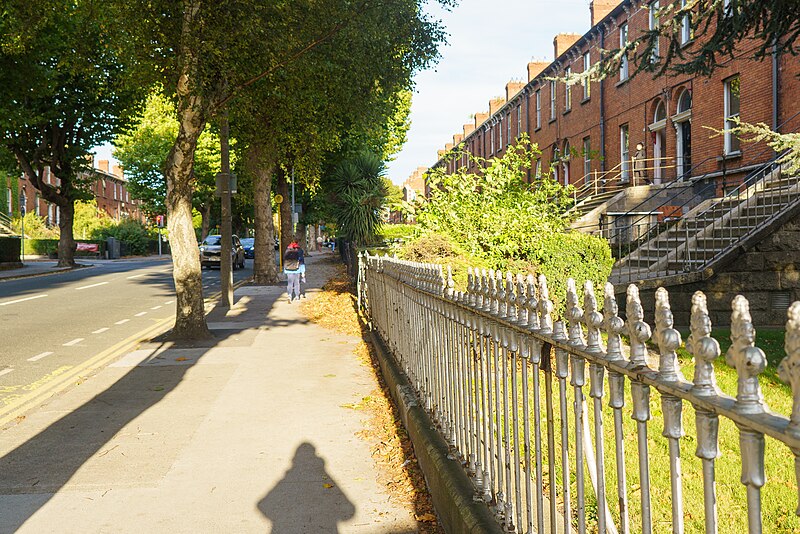
The North Circular Road, Dublin’s iconic 4.3-kilometer thoroughfare, weaves through the city’s Northside like a thread connecting history and hardship. Constructed in the 1760s as part of the city’s radial expansion, it links Phoenix Park to the docks, passing landmarks like Grangegorman (once an asylum, now TU Dublin’s campus), Dalymount Park (home of Bohemian FC), and the Mater Hospital. Georgian terraces like 311 North Circular Road, with their elegant facades and wrought-iron railings, were built for the emerging middle class but evolved into working-class havens by the 20th century.
Today, the road embodies Dublin’s dualities: Vibrant multiculturalism alongside dereliction. Vacant properties abound due to emigration, urban flight, and the 2008 crash’s legacy—over 1,800 empty homes in Dublin 7 alone. This vacuum attracts squatters, turning elegant relics into improvised shelters. The 1971 Prohibition of Forcible Entry and Occupation Act criminalized squatting, but enforcement lags, with adverse possession claims possible after 12 years under the Statute of Limitations 1957.
311 North Circular Road’s history mirrors the street’s. Likely built around 1790, it housed generations of Northsiders through famines, wars, and booms. The Gunning family, rooted since the 1950s, weathered it all. Now, amid Dublin’s housing crisis—where 14,000 languish on waiting lists—such invasions spike, with Gardaí reporting a 25% rise in trespass cases in 2025. Past incidents include the 2018 “tinderbox” eviction at 414 North Circular Road, where 20 squatters were ousted for fire hazards, and the 2017 Barricade Inn squat on Parnell Street, which drew activist support before demolition.
For locals, it’s a powder keg: Fire risks in overcrowded, unmaintained buildings threaten entire blocks. Dublin City Council’s Vacant Site Levy aims to deter neglect, but enforcement is spotty. Thomas’s case amplifies calls for reform—faster evictions, better elderly protections, and incentives for family homes to stay occupied.
The Legal Maze: Navigating Squatting and Eviction in Ireland
Squatting in Ireland isn’t just illegal—it’s a labyrinth of laws protecting owners while balancing human rights. Under the Criminal Justice (Trespass) Act 2003, unauthorized entry is a crime punishable by fines or six months’ imprisonment. For possession orders, owners like Thomas turn to the High Court for interlocutory injunctions, as in this ex parte hearing.
The process: File an affidavit detailing the trespass, seek substituted service if identities are unknown, and request vacation orders. Justice Cregan’s ruling exemplifies urgency for vulnerable parties; elderly owners qualify for priority under the Residential Tenancies Act amendments. But challenges persist: Unknown defendants delay service, and squatters can claim “adverse possession” after 12 years’ continuous occupation—rare but a Sword of Damocles for absentee owners.
Recent reforms, like the 2024 Housing for All Plan, mandate faster Circuit Court evictions for vacant properties. Yet, with 183,000 empty homes nationwide, the system strains. For seniors, groups like Age Action Ireland offer free legal clinics, emphasizing power of attorney to prevent intestate disputes like the Gunnings’.
Thomas’s plight echoes 2018’s Doorley case at 414 North Circular Road, where Dublin City Council evicted 20 squatters from a “tinderbox” amid fire fears. Or the 2017 Grangegorman squats, evicted for safety but sparking debates on housing activism. These cases reveal systemic failures: Underfunded Gardaí, slow courts, and a crisis where desperation meets dereliction.
Elderly Property Owners: Protecting Your Legacy in a Changing Dublin
For Ireland’s 800,000 over-65s owning 35% of housing stock, vulnerability looms large. Thomas Gunning’s story—stress-induced health declines, family fragmentation—mirrors thousands. The Central Statistics Office reports 20% of seniors live alone, with 15% facing property disputes. Emotional toll? Profound: Isolation, anxiety, even PTSD from “home invasions.”
Support exists: Threshold’s free advice lines, Citizens Information’s senior clinics, and the Property Services Regulatory Authority’s mediation. But prevention is key. Experts recommend annual property checks, security audits, and digital monitoring via apps like Nest or Ring. For families, joint ownership via deeds avoids intestacy pitfalls.
In Thomas’s case, the note’s faux-friendliness (“Hiya, nice to meet you”) masks opportunism. Squatters often target Northside vacancies, citing abandonment. But law favors owners: Trespass is criminal; occupation, tortious. With Justice Cregan’s order, Thomas edges toward reclaiming his home—but the scars linger.
Timeline: The Gunning Squatting Saga
- 2013: Bernadette Gunning bequeaths 311 North Circular Road to Thomas and siblings.
- Pre-2022: Siblings pass intestate; Thomas becomes sole owner.
- 2022: Thomas enters elderly care; property left unoccupied.
- Summer 2025: Grandnephew Rory alerts Thomas to break-in.
- September 2025: Squatters leave neighbor note claiming “abandonment.”
- October 2025: Solicitor letters ignored; High Court application filed.
- October 22, 2025: Justice Cregan grants ex parte orders for substituted service.
- October 24, 2025: Case returns; potential eviction hearing.
Protecting Your Property: Essential Tips Against Squatters in Dublin
Don’t let this happen to you. With Dublin’s 10,000+ vacant homes, vigilance is vital. Here’s a step-by-step guide from Gardaí and legal experts.
Prevention & Response: Safeguard Your Home
- Regular Checks: Visit quarterly or install remote cameras (e.g., Ring Doorbell, €99).
- Secure Entry: Reinforce doors/windows with deadbolts; add smart locks like Yale (€150).
- Neighborhood Watch: Join local groups; report suspicious activity to 999/112.
- Legal Prep: Update deeds, grant power of attorney; use solicitors for €200 annual audits.
- Insurance: Add squatter coverage to home policy (€50/year extra).
- Early Action: If occupied, call Gardaí immediately—trespass is criminal.
- Court Route: File ex parte for orders; free legal aid via FLAC for seniors.
Resources: Threshold.ie for eviction guides; AgeAction.ie for senior support; DublinCity.ie/vacant-properties for council aid.
The Bigger Picture: Dublin’s Squatting Crisis & Housing Solutions
Thomas’s ordeal isn’t isolated—it’s symptomatic. Dublin’s housing crunch, with rents up 8% in 2025 and 5,000 homeless, fuels squatting. Activists argue vacant homes should house the needy; owners counter with rights and safety. The 2024 Empty Homes Database mandates reporting, with levies up to €18,000/year—yet compliance lags.
Government pledges 9,100 new builds, but critics demand repurposing: Convert Georgian terraces like 311 into affordable units. Cases like the 2016 Grangegorman squats (evicted for safety) and 2018 North Circular “tinderbox” highlight risks—overcrowding sparks fires, health crises.
For the Gunnings, resolution can’t come soon enough. As Thomas awaits Friday’s hearing, his home—once filled with laughter—echoes with uncertainty. This battle isn’t just for a house; it’s for dignity, legacy, and the right to age in peace.
Conclusion: Justice for Thomas – A Call to Protect Our Elders
Thomas Gunning’s fight resonates: In an Ireland of haves and have-nots, protecting the vulnerable is paramount. As the High Court convenes, we urge swift action. For owners, vigilance; for policymakers, reform. Share this story—raise awareness, prevent heartbreak.
Frequently Asked Questions: Squatting & Property Rights in Dublin
What should I do if squatters enter my property?
Call Gardaí immediately (999/112). Document everything; seek High Court orders for eviction.
How long can squatters stay before adverse possession?
12 years continuous occupation under Irish law—but eviction halts the clock.
Is squatting criminal in Ireland?
Yes, under the 2003 Trespass Act—fines up to €1,270 or 6 months jail.
Help for elderly owners?
Contact Age Action Ireland (01-249 2382) for free legal clinics and support.
About the Author
