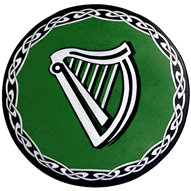
 Picture a windswept cliff in Galway, the Irish tricolor snapping in the Atlantic gale—green, white, orange, a banner of rebellion and hope.
Now, imagine a sun-soaked piazza in Rome, the Italian tricolor fluttering above—green, white, red, a hymn to unity and pasta-fueled passion.
At a glance, the Italian flag vs Irish flag debate sparks confusion: two tricolors, so alike, yet worlds apart.
Why do these flags look like twins separated at birth? And why do they get tangled with Mexico, France, or even Hungary?
Grab a pint or a prosecco, and let’s unravel this clash of colors, histories, and myths.
The Irish Flag: A Symbol of Struggle and Unity
Colors and Meaning
The Irish flag—green, white, orange—is a tricolor born of rebellion. Green stands for the Catholic majority, rooted in Gaelic heritage. Orange represents the Protestant minority, tied to William of Orange. White, the peacemaker, binds them in hope for harmony.Historical Roots
Unveiled in 1848 by Thomas Francis Meagher, it flew during the Young Irelander Rebellion. Officially adopted in 1919, it became Ireland’s emblem during the War of Independence. It’s a flag of blood and dreams, forged in the fight for freedom. Learn more about Irish culture at Erin Go Bragh’s meaning.The Italian Flag: A Banner of Unity and Pride
Colors and Meaning
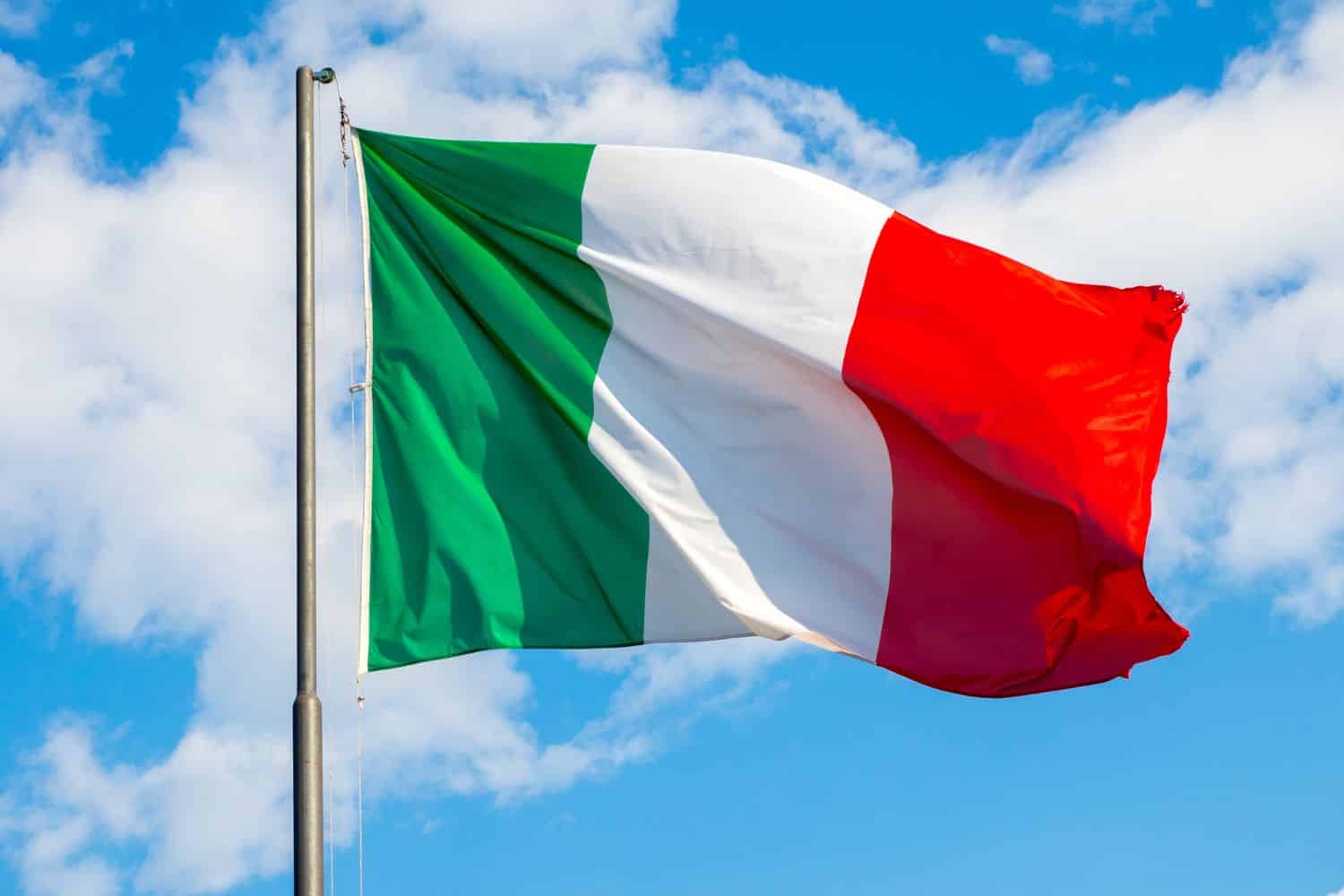
The Italian flag—green, white, red—is a tricolor of unification. Green evokes the plains and hills of Italy’s landscape. White nods to the Alps’ snow, pure and eternal. Red symbolizes the blood spilled for independence. The Italian flag meaning is a love letter to a nation forged from fragments.Historical Roots
Born in 1797 in the Cispadane Republic, it was inspired by Napoleon’s influence. Adopted officially in 1861, it marked Italy’s unification under the Kingdom of Italy. It’s a flag of passion, from risotto to revolution.
Fun Fact: The Italian flag’s green was once said to be inspired by Milan’s civic guard uniforms—talk about fashion-forward patriotism!
Italian Flag vs Irish Flag: The Visual Mix-Up
Color Confusion
At first glance, the Italian flag vs Irish flag looks eerily similar. Both are vertical tricolors with green, white, and a warm hue—red for Italy, orange for Ireland. The green-white-red vs. green-white-orange palette trips up even sharp-eyed fans at soccer matches.Why the Similarity?
The resemblance isn’t coincidence—it’s a nod to the tricolor trend sparked by the French Revolution. Both flags drew from the French tricolor’s blueprint: three bold stripes, symbolizing unity. But their meanings diverge: Ireland’s peace versus Italy’s blood-soaked pride. Check out Irish linguistic heritage at Ireland’s language journey.Italian Flag vs Irish Flag vs Mexican Flag: A Triple Tangle
Mexico Enters the Chat
Throw the Mexican flag into the Italian flag vs Irish flag vs Mexican flag mix, and chaos ensues. Mexico’s green, white, red tricolor mirrors Italy’s, but with a central coat of arms—an eagle devouring a snake. Ireland’s orange throws it out of the trio, but the green-white base keeps it in the confusion club.Spotting the Difference
Mexico’s emblem is the giveaway; Italy’s plain stripes scream simplicity. Ireland’s orange hue, a nod to Protestant heritage, sets it apart from both. Reddit threads on Italian flag vs Irish flag reddit buzz with fans mistaking one for another at festivals.Other Lookalikes: French, Hungarian, and Indian Flags
Italian Flag vs French Flag
The Italian flag vs French flag is another head-scratcher. France’s blue, white, red tricolor inspired Italy’s green-white-red design. The shift from blue to green marked Italy’s unique identity, but the layout screams sibling rivalry.Italian Flag vs Hungarian Flag
The Italian flag vs Hungarian flag adds more confusion. Hungary’s red, white, green stripes flip Italy’s order, creating a mirror-image mix-up. It’s like they swapped flags at a Eurovision afterparty.Irish Flag vs Indian Flag
The Irish flag vs Indian flag comparison is subtler. India’s saffron, white, green tricolor with a navy Ashoka Chakra echoes Ireland’s layout. But saffron (not orange) and the wheel make India distinct, though pub debates rage on.Italian Flag vs Irish Flag vs Ireland Flag: Wait, What?
Two Irish Flags?
Confusion around Italian flag vs Irish flag vs Ireland flag stems from Ireland’s dual banners. The tricolor is the official flag, but the green harp on a blue field—Ireland’s historical flag—still flies. The harp, tied to Gaelic kings, confuses when mistaken for the tricolor in Italy comparisons.Clearing the Fog
The tricolor is Ireland’s modern face; the harp is its poetic past. Italy’s flag, with no emblem, stays simple, avoiding Ireland’s dual-flag drama. Learn about Irish toasts to celebrate these flags at Best Irish Toasts.
Fun Fact: Mistake Ireland’s tricolor for Italy’s at a Dublin pub, and you might be buying the next round!
Historical Context: Revolution and Romance
Ireland’s Fight
Ireland’s flag was born in the fire of rebellion against British rule. Meagher’s 1848 design drew from French revolutionary ideals, a middle finger to the Crown. Its adoption in 1919 cemented it as a symbol of independence.Italy’s Unification
Italy’s flag emerged from the Napoleonic era, a patchwork nation stitched together. The Cispadane Republic’s 1797 design became the banner of a unified Italy by 1861. It’s a flag of poets, fighters, and espresso-fueled dreamers.Cultural Significance: More Than Colors
Ireland’s Soul
The Irish tricolor is a call to unity, a bridge between divided faiths. It waves at St. Patrick’s Day parades, GAA matches, and pub singalongs. It’s the heartbeat of a nation that refuses to be silenced.Italy’s Passion
The Italian tricolor is a love song to a land of art and revolution. It flies over Colosseum sunsets and World Cup victories. The Italian flag meaning is pride, painted in blood and beauty.Why the Confusion Persists
Global Flag Fatigue
Tricolors are everywhere—France, Mexico, Hungary, India. The Italian flag vs Irish flag reddit threads are littered with fans mixing them up. It’s a global game of flag roulette, and these two are star players.Human Error, Pub Cheers
In the heat of a Euro match or a St. Paddy’s party, eyes blur. Orange looks red; green looks greener; white is just white. The Italian flag vs Irish flag mix-up is a testament to human squinting.Frequently Asked Questions About Italian Flag vs Irish Flag
Why are Italy and Ireland’s flags similar?
The similarity between the Italian and Irish flags stems from their shared tricolor design, inspired by the French Revolution’s iconic blue-white-red flag. Italy’s green-white-red tricolor, adopted in 1797 by the Cispadane Republic, reflects Napoleonic influence and a nod to local landscapes and unification struggles. Ireland’s green-white-orange flag, introduced in 1848 by Thomas Francis Meagher, also drew from the French model, symbolizing Catholic-Protestant unity. The green and white stripes align visually, with only the final stripe—red vs. orange—differentiating them. This common revolutionary heritage, coupled with the tricolor trend sweeping 19th-century Europe, explains the Italian flag vs Irish flag resemblance, often causing mix-ups at global events.Why are the French and Italian flags so similar?
The French and Italian flags share a tricolor lineage rooted in revolutionary ideals. France’s blue-white-red flag, born during the 1789 Revolution, became a template for nations seeking liberty. Italy’s green-white-red tricolor, first flown in 1797, was directly inspired by Napoleon’s campaigns in Italy, replacing blue with green to reflect local militia uniforms and landscapes. The Italian flag vs French flag similarity lies in their vertical stripe layout and shared colors (white and red), with green signaling Italy’s distinct identity. Both flags embody republican zeal, but Italy’s design is a deliberate nod to its French muse, tweaked for national pride.Why does Ireland have two different flags?
Ireland has two flags due to its layered history. The official tricolor—green-white-orange—was adopted in 1919, symbolizing unity between Catholics (green) and Protestants (orange), with white for peace. The older flag, a gold harp on a blue or green field, dates to medieval Gaelic kings and was used as a national symbol under British rule. Known as the Leinster Flag or Erin’s Harp, it remains a cultural emblem, often seen at historical events. The confusion in Italian flag vs Irish flag vs Ireland flag debates arises when the harp flag is mistaken for the tricolor, especially in international contexts.What flag looks Irish but isn’t?
The flag most often mistaken for Ireland’s is Italy’s, due to their green-white-red vs. green-white-orange tricolor similarity. The Italian flag vs Irish flag mix-up is common, especially in dim lighting or at a distance, where orange resembles red. Other contenders include Mexico’s green-white-red flag (with an emblem) and Hungary’s red-white-green flag, which flips Italy’s order but shares green and white. The Ivory Coast’s flag, orange-white-green, also confuses, as it reverses Ireland’s colors. These visual overlaps fuel endless Italian flag vs Irish flag reddit threads, with fans debating at global sporting events.Which flag is older, Ireland or Italy?
Italy’s flag is older. The Italian tricolor was first used in 1797 by the Cispadane Republic, formalized in 1861 with Italy’s unification. Ireland’s tricolor debuted in 1848 during the Young Irelander Rebellion and was officially adopted in 1919. Thus, Italy’s flag predates Ireland’s by over 50 years. The Italian flag vs Irish flag age debate highlights Italy’s earlier unification, while Ireland’s flag emerged from a longer struggle against colonial rule, giving each a distinct historical weight.Are Ireland and Italy friends?
Yes, Ireland and Italy share a warm diplomatic and cultural bond. Both nations, rooted in Catholic heritage, have strong ties through EU membership, trade, and cultural exchanges like St. Patrick’s Day celebrations in Rome. Irish immigrants in Italy and Italian communities in Dublin foster people-to-people connections. Historical parallels—struggles for independence and vibrant cultural identities—strengthen this friendship. While their flags spark confusion in Italian flag vs Irish flag debates, their shared values of resilience and hospitality make them kindred spirits on the global stage.Which country has the most similar flag?
Italy has the most similar flag to Ireland’s, with their green-white-red and green-white-orange tricolors often confused. The Italian flag vs Irish flag vs Mexican flag comparison shows Mexico’s flag as a close second due to its green-white-red layout, distinguished by its central emblem. Hungary’s red-white-green and the Ivory Coast’s orange-white-green flags also resemble Ireland’s, but Italy’s tricolor is the closest match, sparking endless mix-ups at international events and online discussions.Did Napoleon invent the Italian flag?
Napoleon didn’t invent the Italian flag but heavily influenced its creation. In 1797, the Cispadane Republic, under Napoleon’s control in northern Italy, adopted the green-white-red tricolor, inspired by France’s blue-white-red flag. The green replaced blue, reflecting local militia uniforms and Italy’s landscapes. While Napoleon’s campaigns catalyzed the design, local leaders formalized it, making it a symbol of Italian unity by 1861. The Italian flag meaning thus owes a nod to Napoleon but is a distinctly Italian creation.About the Author
