The Shifting Pour: Ireland’s Evolving Relationship with Alcohol
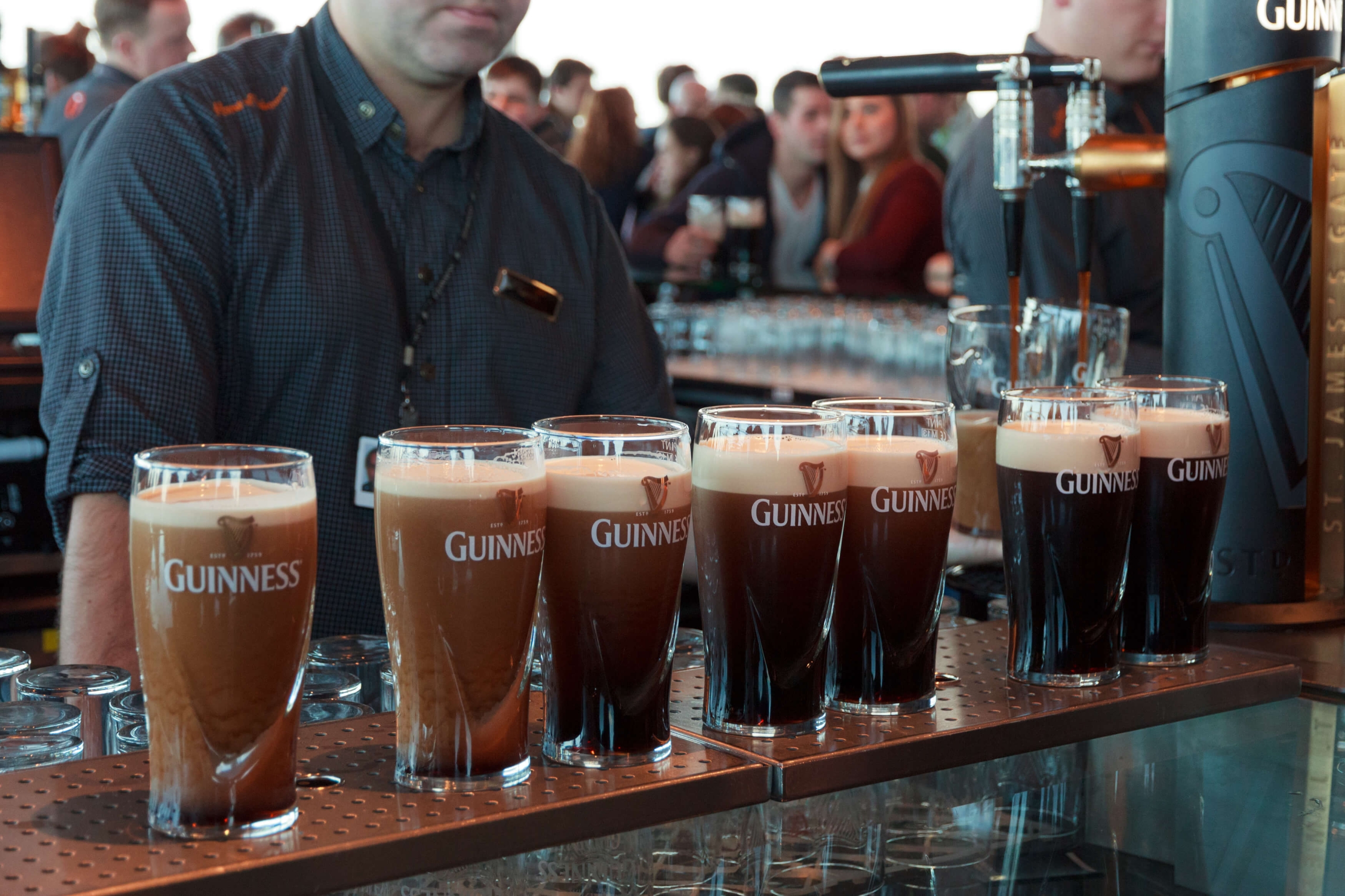
For generations, the image of Ireland has, for some, been inextricably linked with the pint glass. Pubs, traditional music sessions, and convivial toasts have long been woven into the fabric of Irish culture and identity.
But a quiet, yet profound, revolution has been unfolding across the Emerald Isle, reshaping this very perception. A new report, released on June 9, 2025, commissioned by the Drinks Industry Group of Ireland (DIGI), offers compelling evidence of this transformation: Ireland’s alcohol consumption has fallen by more than 34% since 2001.
This isn’t just a slight dip; it’s a monumental shift, representing over a third less alcohol consumed per adult in Ireland over two decades.
In 2024 alone, the average alcohol consumption per adult dropped by a notable 4.5% to 9.49 litres of pure alcohol (LPA). When factoring in Ireland’s growing population (a 2.3% increase last year), the total volume of alcohol consumed nationally also saw a 2.4% decrease, settling at 41.5 million litres.
These figures, meticulously compiled by Anthony Foley, Associate Professor Emeritus at Dublin City University (DCU), using robust data from the Central Statistics Office (CSO) and Revenue Commissioners, paint a clear picture: Irish people are increasingly drinking in moderation.
This comprehensive analysis from IrishCentral delves into the nuances of this decline, examining the underlying consumer trends, the socio-economic implications, and the ongoing debate surrounding Ireland’s notoriously high excise rates on alcohol. What does this mean for the future of Irish pubs, the drinks industry, and the nation’s health? Let’s pour over the details.
Stay informed on all things Irish! From insightful reports like this to cultural highlights and travel guides, sign up for IrishCentral’s newsletter to ensure you never miss an update.
Beyond the Stereotype: A Nation Embracing Moderation
The narrative of the ‘heavy-drinking Irish’ has long been a persistent, often unfair, stereotype. This latest DIGI report, however, provides concrete data to challenge and ultimately dismantle that outdated image. The significant drop in consumption, sustained over more than two decades, clearly demonstrates a mature and responsible evolution in the nation’s drinking habits.
Donall O’Keefe, Secretary of DIGI and CEO of The Licensed Vintners Association, succinctly captures this sentiment: “Today’s figures offer clear proof of what many of us already know – Irish people are increasingly drinking in a restrained manner, with consumption continuing the downward trajectory that has been recorded since the millennium.” He rightly points out that in contrast to past perceptions, alcohol consumption in Ireland is now firmly at average European levels.
This isn’t merely an anecdotal observation. Recent data from the Organisation for Economic Co-operation and Development (OECD) for 2022 already indicated that Ireland’s alcohol consumption ranks behind several European counterparts, including France, Spain, and Austria. A separate report by the Health Research Board last year further corroborated that Ireland’s alcohol consumption aligns with average EU or OECD standards. This consistent evidence paints a picture of a nation progressively embracing healthier choices and a more balanced lifestyle.
Decoding Consumer Trends: What’s Filling the Glass?
While overall consumption is down, the report also sheds fascinating light on how Irish consumer tastes and preferences are evolving within the drinks market. It’s a dynamic landscape, reflecting changing lifestyles, marketing efforts, and perhaps even the influence of younger generations.
- Beer’s Enduring Reign: Despite an overall drop in beer consumption, it remains Ireland’s most popular alcoholic beverage. Its market share even increased by 0.4% in 2024, reaching a dominant 43.3%. This suggests that while people might be drinking less overall, a traditional pint of beer still holds a significant place in the Irish social landscape. The rise of craft beers and non-alcoholic options within the beer category might also be contributing to its sustained popularity.
- Wine’s Sophisticated Ascent: Wine continues its steady climb in popularity. It secured the position of the second most popular drink, increasing its market share by 0.1% to 28.2% in 2024. This growth is even more dramatic when looking back to 2000, when wine held only 13.2% of the market. This surge indicates a growing appreciation for wine culture, perhaps driven by wider travel, increased exposure to different cuisines, and a preference for lighter, more food-friendly alcoholic beverages.
- Spirits and Cider See Slight Dips: Spirits experienced a modest decline of 0.4% to 22.3% of the market share, while cider fell by 0.1% to 6.1%. These slight reductions, in the context of overall decline, suggest that consumers are either opting for other categories or simply reducing their intake across the board. The robust growth in non-alcoholic alternatives, such as the impressive surge in Booze-free Guinness pouring out of St. James’ Gate, also points towards a diversification of beverage choices, extending beyond traditional alcoholic offerings.
These evolving trends highlight a more discerning consumer base, increasingly mindful of their choices and open to a wider array of options, including the burgeoning market for low- and no-alcohol beverages.
The Elephant in the Glass: Ireland’s High Excise Rates
The sustained decline in alcohol consumption raises a critical question, one that the Drinks Industry Group of Ireland is keen to address: Why does Ireland continue to levy the second-highest excise rates on alcohol in Europe?
This is a point of considerable contention for the industry, particularly for small businesses. Donall O’Keefe articulates the industry’s position clearly: “Given that we now consume alcohol at average European levels, it makes sense that we should pay excise at average European levels also.” He argues that the existing high excise rates are disproportionate to the current consumption patterns, placing an unnecessary burden on consumers and businesses alike.
The introduction of Minimum Unit Pricing (MUP) has further complicated this issue. MUP, designed to tackle harmful drinking by preventing the sale of strong alcohol at excessively low prices in supermarkets and off-licences, means that even without high excise, consumers are already paying a baseline price for alcohol. The combination of high excise and MUP, argues DIGI, creates an environment where Irish consumers pay significantly more for their alcohol than their European counterparts.
This financial pressure isn’t just felt by individual consumers. It has a profound impact on the hospitality sector, particularly the lifeline of countless Irish communities: the local pub. “Across Ireland, hundreds of small rural pubs and restaurants are struggling for survival due to repeated increases in the cost of doing business, including staff, energy, and insurance,” O’Keefe warns. These establishments are not merely places to drink; they are vital social hubs, employment providers, and crucial components of Ireland’s renowned tourism product. A cut in excise, DIGI suggests, would offer these businesses a much-needed lifeline, allowing them to remain viable and continue serving their communities.
In anticipation of this year’s Budget, DIGI is advocating for a 10% cut in excise as an urgent measure. They argue that this would provide struggling businesses with “a fighting chance of survival” and align Ireland’s alcohol pricing with its increasingly moderate consumption habits.
A Broader Societal Shift: Health, Wellness, and the Younger Generation
The decline in alcohol consumption in Ireland is not an isolated phenomenon. It’s part of a broader societal shift towards greater health consciousness and well-being. This trend is particularly noticeable among younger generations.
Recent surveys, such as one highlighted by IrishCentral, suggest that Ireland’s teens are moving away from drugs, cigarettes, and alcohol. This cultural shift among younger demographics is a powerful indicator of changing attitudes towards substance use. Factors contributing to this include:
- Increased Awareness: Greater education and public health campaigns regarding the risks associated with excessive alcohol consumption.
- Health and Wellness Trends: A growing emphasis on fitness, healthy eating, and mindful living.
- Digital Connectivity: Socialisation patterns are evolving, with less reliance on traditional pub culture for social interaction, particularly among digitally native generations. Online gaming, social media, and digital communities offer alternative spaces for connection.
- Non-Alcoholic Alternatives: The booming market for sophisticated non-alcoholic beers, spirits, and cocktails provides appealing alternatives for those who wish to socialise without consuming alcohol.
- Economic Factors: The cost of living and the price of alcohol (exacerbated by high excise) can also influence consumption habits, particularly for younger individuals with limited disposable income.
This generational shift is likely to continue driving down per capita alcohol consumption in the long term, cementing Ireland’s position as a nation that values moderation and well-being.
The Future of the Irish Pub and Drinks Industry
What does this evolving landscape mean for the iconic Irish pub? While the traditional pub remains a cherished institution, its role is subtly changing. Many pubs are adapting, diversifying their offerings to include more food, live music, and a wider range of non-alcoholic beverages. They are becoming more inclusive social spaces, rather than solely focused on alcohol consumption. This adaptability is crucial for their survival and continued relevance in modern Ireland.
For the wider drinks industry, the challenge lies in innovating and adapting to these changing consumer preferences. This includes:
- Investing in No/Low Alcohol: The success of products like alcohol-free Guinness demonstrates a significant market opportunity.
- Craft and Premiumisation: Consumers who do drink are often seeking higher quality and more unique experiences, leading to growth in craft spirits, artisanal beers, and premium wines.
- Experience-Driven Venues: The focus shifts from just selling drinks to providing a holistic social experience.
- Sustainability: Growing consumer demand for environmentally friendly practices will increasingly influence purchasing decisions across the industry.
The report from DIGI is not just a statistical update; it’s a mirror reflecting a society in transition. Ireland is shedding old stereotypes and forging a new identity, one that values moderation, health, and a more diverse range of social experiences. The decline in alcohol consumption is a positive indicator of this evolution, presenting both challenges and opportunities for the nation’s economy, its social fabric, and its global image.
As Ireland moves further into the 21st century, its relationship with alcohol is proving to be increasingly mature and responsible. The data speaks for itself: the quiet revolution continues, transforming the very essence of what it means to share a drink in the land of a thousand welcomes. The future of Irish socialising is not less vibrant, but simply different, and perhaps, all the better for it.
Discover more stories from the heart of Ireland! From hidden historical gems to fascinating cultural insights, explore everything the Emerald Isle has to offer at https://secretireland.ie/. And for a captivating look at another Irish legend, delve into the life of Luke Kelly, Ireland’s voice of fire and soul, right here: https://secretireland.ie/luke-kelly-irelands-voice-of-fire-and-soul/.
About the Author
