
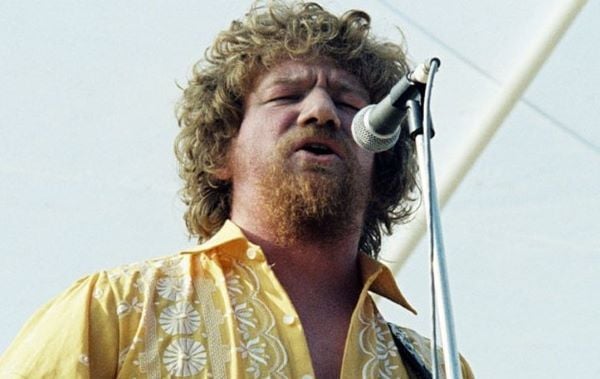
In the heart of Dublin, where the Liffey flows and the pubs pulse with song, one voice rose above the rest: Luke Kelly.
A founding member of The Dubliners, Kelly’s raw, soul-stirring performances of “Raglan Road,” “The Wild Rover,” and “Scorn Not His Simplicity” carried Ireland’s stories to the world. His fiery red hair, working-class roots, and unyielding passion made him a legend.
This is the story of Luke Kelly—his life, his cause of death, his family, his partner Madeleine Seiler, his net worth, his funeral, and even his height.
We’ll answer burning questions like “Does Luke Kelly have a son?” and explore his enduring legacy in 2025, with tributes like the Luke Kelly statue standing tall in Dublin.
The Making of a Folk Legend
Born on November 17, 1940, in Dublin’s Sheriff Street, Luke Kelly grew up in the gritty tenements of a city scarred by poverty. The Luke Kelly family—parents Luke Sr. and Julia, and siblings John, Jimmy, Paddy, and Bessie—lived modestly, with music as their solace.
Kelly’s maternal grandmother, Elizabeth McDonald, a Scottish immigrant, filled their home with song until her death in 1953. Leaving school at 13, Kelly worked as a docker and painter, but his heart was in the ballads he sang in Dublin’s pubs.
In 1958, Kelly moved to England, diving into the folk revival. He performed in Birmingham’s Jug O’Punch club, rubbing shoulders with radicals like Ewan MacColl.
These years shaped his political fire, infusing his music with themes of justice and rebellion. Returning to Dublin in 1962, he co-founded The Dubliners with Ronnie Drew, Ciarán Bourke, Barney McKenna, and John Sheahan.
Their music, raw and unpolished, became the soundtrack of Ireland’s soul. As Shane MacGowan later said, Kelly was “the finest interpreter of the Irish ballad form,” a voice that could “make the hairs stand on your neck.”
Luke Kelly’s Height and Stage Presence
While exact records of Luke Kelly’s height are scarce, his presence was towering. Standing roughly 5’10” (based on photos with bandmates), his fiery red hair and intense delivery made him larger than life. Billy Connolly called The Dubliners a “bunch of hairy people,” but Kelly’s charisma filled venues from O’Donoghue’s Pub to London’s Royal Albert Hall. His ability to command a crowd, whether singing a tender love song or a rousing rebel tune, cemented his legend.
The Music of a Nation
Luke Kelly’s voice was Ireland itself—gruff yet tender, defiant yet mournful. With The Dubliners, he revived traditional songs like “The Black Velvet Band” and introduced new classics like “The Town I Loved So Well.” His performances were more than music; they were acts of defiance, carrying the struggles of the working class. Kelly’s political activism, rooted in socialism, shone through in songs like “Joe Hill,” a tribute to the American labor activist.
Kelly’s influence extended beyond The Dubliners. He championed Irish folk music globally, inspiring artists like Christy Moore and The Pogues. In 2025, his songs remain staples in Dublin’s music scene, celebrated at festivals and in pubs. For travelers, exploring Ireland’s folk heritage is incomplete without hearing Kelly’s work, as highlighted in our guide to traditional Irish musicians.
Luke Kelly’s Personal Life: Love and Family
Kelly’s personal life was as colorful as his music. In 1965, he married Deirdre O’Connell, founder of Dublin’s Focus Theatre, with Sabina Coyne (later Ireland’s First Lady) as a bridesmaid. The marriage ended in the early 1970s, reflecting Kelly’s restless spirit. From 1976 until his death, he shared his life with Madeleine Seiler, Luke Kelly’s German partner. Madeleine, who later ran The Headline Agency, was his rock during his health struggles, offering insight into his desire to break free from The Dubliners’ grueling tours.
The question “Does Luke Kelly have a son?” often surfaces, but no evidence suggests Kelly had children. His Luke Kelly family included his parents, siblings, and extended relatives, with sister Bessie McCann remaining a vocal advocate for his legacy. In a 2024 interview, Bessie described Kelly as “humble,” focused on music over fame.
Madeleine Seiler: The Woman Beside the Legend
Madeleine Seiler, Luke Kelly, was more than a partner; she was a confidante who understood his artistic soul. A German native, Madeleine supported Kelly through his darkest days, including his brain tumor diagnosis. She later shared stories of his frustration with The Dubliners’ repetitive schedule, longing for creative freedom. Her work promoting Irish artists like Mary Coughlan kept Kelly’s spirit alive in the music world.
The Tragic End: Luke Kelly’s Cause of Death
The Luke Kelly cause of death was a brain tumor, a tragedy that cut his life short at 43. In the late 1970s, Kelly suffered migraines and memory lapses, which he initially attributed to heavy drinking and relentless touring. In 1980, he collapsed on stage at the Cork Opera House, leading to a diagnosis of a brain tumor. Surgery offered temporary relief, and Kelly returned to perform, celebrating The Dubliners’ 1983 golden jubilee. But a seizure in Germany that December signaled the end. He spent his final Christmas with Madeleine and his Luke Kelly family before entering Dublin’s Richmond Hospital, where he died on January 30, 1984.
Luke Kelly’s Funeral: A Nation Mourns
The Luke Kelly funeral was a testament to his impact. Held at the Church of the Holy Child in Whitehall, it drew thousands, including musicians like the Furey Brothers and Wolfe Tones, and figures like actress Siobhán McKenna and footballer Pat Jennings. Kelly’s brothers—John, Jimmy, and Paddy—and bandmate Barney McKenna carried his coffin. His gravestone in Glasnevin Cemetery reads, “Luke Kelly – Dubliner,” a simple tribute to a giant. Visitors can pay respects near the Luke Kelly statue in Dublin, a must-see for music lovers.
Luke Kelly’s Net Worth: A Modest Legacy
Estimating Luke Kelly’s net worth in 2025 is speculative, as he died in 1984. Some sources estimate his wealth at $5 million at the time of his death, based on The Dubliners’ success and international tours. However, Kelly lived modestly, with earnings often spent on travel and living expenses. His true wealth lies in his cultural impact, with royalties from songs and posthumous tributes sustaining his legacy. In 2025, his music generates streams on platforms like Spotify, but his net worth is less about money than influence.
Luke Kelly’s Enduring Legacy in 2025
In 2025, Luke Kelly remains Ireland’s folk music heartbeat. The Luke Kelly statue in Sheriff Street and South King Street stands as a pilgrimage site for fans. The annual Luke Kelly Festival (August 13, 2025) celebrates his music, with tributes by artists like Damien Dempsey. His songs, available on streaming platforms, inspire new generations, while Dublin’s pubs echo with covers of “Raglan Road.” For travelers, exploring Ireland’s folk scene—detailed in our guide to traditional Irish musicians—is a journey into Kelly’s world.
Kelly’s legacy also lives in The Dubliners’ influence, as explored in our article on The Dubliners: The Soul of Irish Music. His voice, a blend of defiance and tenderness, continues to shape Ireland’s cultural identity.
Frequently Asked Questions About Luke Kelly
What happened to Luke Kelly?
Luke Kelly died on January 30, 1984, at age 43, from a brain tumor. His health issues began in the late 1970s with migraines and memory lapses, initially blamed on heavy drinking and touring. In 1980, a collapse on stage at the Cork Opera House led to a brain tumor diagnosis. Surgery in 1980 allowed a brief return to performing, including The Dubliners’ 1983 jubilee celebrations. However, a seizure in Germany in December 1983 canceled a tour. Kelly spent his final Christmas with Madeleine Seiler and his Luke Kelly family in Dublin before entering Richmond Hospital, where he passed away. His death shocked Ireland, with thousands attending his funeral, as noted in contemporary reports.
Did Luke Kelly have any children?
No, Luke Kelly had no children. Despite searches for “Luke Kelly son” or “Does Luke Kelly have a son?”, neither his marriage to Deirdre O’Connell (1965–early 1970s) nor his relationship with Madeleine Seiler produced offspring. His Luke Kelly family included parents Luke Sr. and Julia, brothers John, Jimmy, and Paddy, and sister Bessie McCann, who spoke of his legacy in a 2024 interview but mentioned no children.
Is Luke Kelly the grandson of Roald Dahl?
No, Luke Kelly is not Roald Dahl’s grandson. This myth likely arises from confusion with another Luke Kelly or Dahl’s family. Roald Dahl, the British author, had five children (Tessa, Theo, Ophelia, Lucy, and Olivia), but none named a son Luke Kelly. Kelly, born in Dublin in 1940 to Luke Sr. and Julia Fleming, has no documented connection to Dahl.
Was Luke Kelly religious?
Luke Kelly’s religious beliefs were not publicly detailed, but his life suggests a secular, humanistic outlook. Raised in a Catholic Luke Kelly family in Dublin, he was exposed to religious traditions, but his socialist activism and songs like “Joe Hill” focused on social justice over faith. His Luke Kelly funeral at the Church of the Holy Child followed Catholic rites, likely for family tradition rather than personal belief.
What was Ronnie Drew’s illness?
Ronnie Drew, Kelly’s bandmate in The Dubliners, was diagnosed with throat cancer in 2006. He underwent chemotherapy at St. Vincent’s Hospital, as reported in a 2006 Irish Independent interview. Despite his illness, Drew remained spirited, performing until his health declined. He died on August 16, 2008, at 73, leaving a void in Irish music.
What happened to Luke’s son?
As Luke Kelly had no children, there is no Luke Kelly son to discuss. This question likely stems from misinformation or confusion with another figure. Kelly’s legacy is carried by his music and family, particularly sister Bessie, who emphasized his humility in recent interviews.
Who was Luke Kelly’s partner?
Madeleine Seiler, Luke Kelly’s partner from 1976 to 1984, was a German native who supported him through his brain tumor battle. Madeleine ran The Headline Agency, promoting Irish artists like Mundy. She shared insights into Kelly’s frustration with The Dubliners’ touring schedule, revealing his desire for creative exploration.
Did Luke adopt his sister’s kids?
No, Luke Kelly did not adopt his sister’s children. His sister Bessie McCann had children, but no credible sources suggest Kelly took on a parental role. His health struggles and demanding career with The Dubliners left little room for such responsibilities. His Luke Kelly family remained close, with siblings at his funeral, but adoption is undocumented.
Conclusion
Luke Kelly’s voice still haunts Dublin’s streets, from the Luke Kelly statue to the pubs where his songs echo. His music, activism, and spirit make him a cultural cornerstone in 2025. For travelers, exploring Ireland’s folk scene—detailed in our guide to traditional Irish musicians—is a journey into Kelly’s world. Learn more about his band in The Dubliners: The Soul of Irish Music. Share your favorite Kelly song below, or visit Dublin to feel his legacy at the 2025 Luke Kelly Festival!
About the Author
