
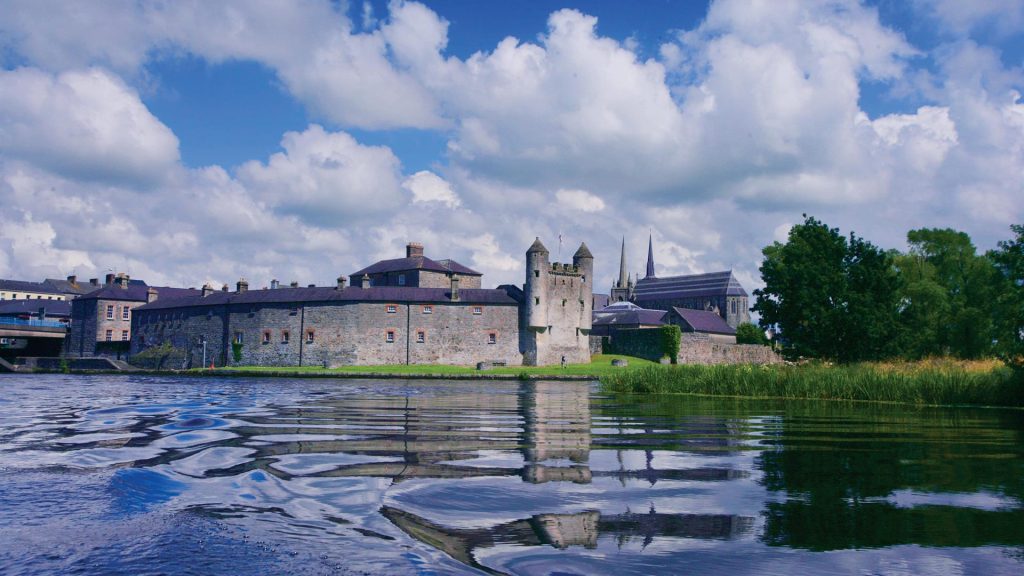
Some places carry history in their bones. Enniskillen Castle, standing proudly on the banks of the River Erne, is one of them. A symbol of power, resilience, and conquest, this fortress has watched over Fermanagh for more than 600 years, its walls whispering the stories of warriors, kings, and invaders who sought to control this land.
From its days as a Maguire stronghold to its later role as a British military garrison, Enniskillen Castle history is filled with blood, ambition, and the constant struggle for dominance. Today, it stands as a gateway to the past, home to museums that tell the story of Fermanagh’s heritage, its people, and the battles that shaped the island of Ireland.
But Enniskillen Castle is not just a relic of the past—it is a living piece of history, a place where echoes of old wars meet the modern pulse of a thriving town.
Why Is Enniskillen So Famous?
Enniskillen is more than just a name on a map. It is a town of warriors, a place that has played a pivotal role in Irish and British history.
- It is home to Enniskillen Castle, a fortress that once stood at the heart of clan warfare and later became a British stronghold.
- It gave birth to the Enniskillen Regiments, elite military forces that fought in battles across the world.
- It is surrounded by Lough Erne, one of Ireland’s most breathtaking waterways, dotted with ancient monastic islands.
- It sits at the crossroads of history, where Gaelic Ireland clashed with English rule, leaving behind a town shaped by both cultures.
Today, Enniskillen is a place where history meets adventure—a gateway to Cuilcagh Mountain, Marble Arch Caves, and the wild beauty of Fermanagh’s lakelands.
Who Lived in Enniskillen Castle?
Before the British army made it a military barracks, Enniskillen Castle was home to the Maguire clan, Gaelic rulers of Fermanagh. Built in the 15th century by Hugh ‘the Hospitable’ Maguire, it was designed as a defensive stronghold against rival Irish clans and English invaders.
The Maguires held it for centuries, ruling Fermanagh with strength and strategy. But no power lasts forever. By the 17th century, the castle had fallen into British hands, becoming a key garrison for forces loyal to the Crown.
Today, the castle no longer belongs to warriors—but its walls still bear the weight of their stories.
Is Enniskillen Worth Visiting?
Without a doubt.
If you’re a history lover, adventure seeker, or someone who simply appreciates a town with character, Enniskillen delivers. Here’s why:
- Enniskillen Castle Tours let you step inside a fortress that has shaped Ireland’s past.
- The Enniskillen Castle Shop offers unique historical gifts and locally crafted souvenirs.
- You can take a boat trip on Lough Erne, stopping at Devenish Island to explore 6th-century monastic ruins.
- The Buttermarket provides a vibrant hub of local crafts, food, and culture.
- It is the gateway to Cuilcagh Mountain, home of the Stairway to Heaven—one of Ireland’s most iconic hikes.
Whether you’re here for a day trip or a weekend escape, Enniskillen is a place that lingers in the mind long after you leave.
Can You Visit Enniskillen Workhouse?
Yes, you can.
The Enniskillen Workhouse, originally built in 1845, now serves as a heritage centre, providing insight into one of the darkest chapters of Irish history. During the Great Famine, thousands sought refuge here, many never leaving.
Walking through its cold, stone corridors, you can almost hear the echoes of those who once lived—and died—within its walls. It is a sobering experience, but an important one, reminding us of the resilience of the Irish people in the face of unimaginable suffering.
How Far Is Stairway to Heaven from Enniskillen?
The Stairway to Heaven, the famous boardwalk on Cuilcagh Mountain, is about 20 km (12 miles) from Enniskillen—a short 30-minute drive.
For those looking to challenge themselves with the Cuilcagh Mountain walk, Enniskillen is the perfect basecamp. After the climb, you can return to the town for a well-earned meal or a pint by the fire in one of its cozy pubs.
Full guide to Cuilcagh Mountain here.
Can You Stay in Crom Castle?
Yes, and if you’ve ever wanted to sleep in an Irish castle, this is your chance.
Crom Castle, about 30 minutes from Enniskillen, is still the private residence of the Earls of Erne, but its West Wing is available for exclusive stays.
It is a place of quiet grandeur—towering turrets, roaring fires, and vast gardens stretching to the water’s edge. Staying here is more than just accommodation; it is an invitation into another world.
Why Was Enniskillen Castle Built Next to Water?
Location is everything in war.
Enniskillen Castle was built at a strategic chokepoint—on an island guarding the only passage between Upper and Lower Lough Erne. This made it nearly impossible to attack without crossing water, giving the Maguires a strong defensive position.
Water was both a barrier and a lifeline. It protected the castle from invasion while providing an easy escape route if needed. Even today, standing at the castle’s edge, looking out over the river, you can see why this place was chosen.
What Is the Oldest Castle in Northern Ireland?
While Enniskillen Castle is one of the most historic, the oldest castle in Northern Ireland is Carrickfergus Castle, built in 1177 by the Anglo-Norman knight John de Courcy.
Carrickfergus has survived sieges, cannon fire, and centuries of war. But Enniskillen Castle, though younger, has something even rarer—a continuous thread of occupation, from Gaelic chieftains to British soldiers, linking past and present in an unbroken chain of history.
How Did Enniskillen Get Its Name?
The name Enniskillen comes from the Irish Inis Ceithleann, meaning “Island of Kathleen”.
Legend tells of Queen Ceithleann, an ancient warrior who fought against invading forces. Wounded in battle, she tried to escape across the river but drowned, her name forever tied to the land she defended.
Even today, in the streets of the town and the ripples of Lough Erne, her story lives on.
Planning Your Visit to Enniskillen Castle
For those ready to step inside 600 years of history, here’s what you need to know:
- Enniskillen Castle opening times: Typically 9:30 AM – 5:00 PM, but always check ahead, as seasonal changes apply.
- Enniskillen Castle tickets: £5-£10, with discounts for children and families.
- Enniskillen Castle prices: Entry to the museums is affordable, and guided tours are available for an additional fee.
- Enniskillen Castle restaurant: A café is located on-site, perfect for a break after exploring.
- Enniskillen Castle parking: Free parking is available near the entrance.
Final Thoughts: A Fortress That Still Stands
Enniskillen Castle is more than a landmark. It is a witness to time, a guardian of stories, a place where the weight of history settles in your bones.
Stand by its walls, look out over the water, and for a moment, imagine the warriors who once stood where you stand now. They are gone, but the castle remains.
And it always will.
More to Explore:
- Florence Court: Step inside one of Ireland’s finest Georgian estates. Full guide here.
- Marble Arch Caves: Descend into a world beneath the earth. Read more.
About the Author
