With its breathtaking landscapes, vibrant culture, and relatively affordable rural properties, Ireland is a compelling destination for homebuyers. However, questions about costs, taxes, and market trends often arise. This FAQ guide answers the top 10 questions about buying a house in Ireland, optimized for “ein haus Irland” to help you make an informed decision.
1. Is It Wise to Buy a House in Ireland?
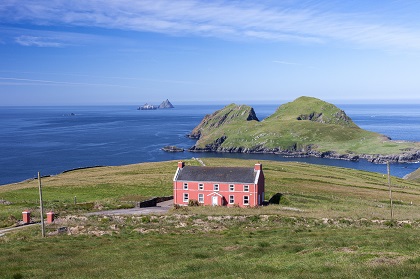
Buying a house in Ireland can be a wise investment, depending on your goals. Since the 2008 financial crisis, which saw property prices drop by 40-50% in some areas, the market has been recovering. Rural cottages start at €80,000, while urban centers like Dublin see prices for four-bedroom homes at €120,000 or higher. Ireland’s stable economy and appeal as a tourist destination make it attractive for rental income or long-term appreciation. However, high renovation costs for older homes and Dublin’s expensive market require careful planning. For those seeking “ein haus Irland,” rural properties offer value, but thorough research is key.
2. Can I Stay in Ireland If I Buy a House?
Purchasing a house in Ireland does not automatically grant residency. Ireland lacks a direct residency-by-investment program tied to property ownership. However, owning a home can support visa applications for retirees or those with sufficient income. EU citizens, including Germans, can live in Ireland under EU free movement rules, while non-EU buyers must explore options like work permits or the Immigrant Investor Programme. Consult an immigration lawyer to navigate these rules when planning for “ein haus Irland.”
3. What Is the Slang Word for House in Ireland?
In Ireland, a popular slang term for a house is “gaff,” often used informally to mean a home or apartment, as in “I’m crashing at my gaff.” Another term, especially for rural homes, is “cottage,” evoking Ireland’s iconic small, cozy houses with thatched or slate roofs. Understanding these terms can help you connect with locals when discussing “ein haus Irland” and immerse you in Irish culture.
4. Can You Build a House in Ireland for €150,000?
Building a house in Ireland for €150,000 is possible but challenging, particularly in rural areas with careful budgeting. Construction costs are high due to strict regulations, such as minimum apartment sizes and building height limits. A modest 100-120 m² single-story cottage might cost €150,000-€200,000 to build, excluding land prices, which range from €10,000-€50,000 for rural plots. Prefabricated homes or self-managed builds with a certified architect can help stay within budget. Ensure all permits are secured to avoid legal issues. For “ein haus Irland,” rural builds offer affordability but require thorough planning.
5. Why Are So Many Houses in Ireland Empty?
Ireland has an estimated 166,000 vacant homes, including 12,000 in Dublin, due to several factors. The 1995-2005 building boom created an oversupply, with over 550,000 homes constructed, many left empty after the 2008 financial crisis. Speculative investors often hold properties vacant, hoping for price increases, while rural depopulation and limited infrastructure on remote islands contribute to vacancies. The government’s Our Living Islands initiative offers up to €84,000 for renovating pre-1993 vacant island homes, but high renovation costs remain a barrier. These vacant properties present opportunities for buyers seeking “ein haus Irland” at lower prices.
6. Should I Buy a House in Ireland in 2025?
Deciding whether to buy a house in Ireland in 2025 depends on market trends and your objectives. Property prices have risen since 2013, with houses up 13% and rents up 7% year-over-year in some periods, driven by demand. Rural cottages range from €80,000-€120,000, while Dublin’s four-bedroom homes average €389,000. The government aims to build 250,000 homes by 2030 to address the housing shortage, which may stabilize prices. For “ein haus Irland,” rural areas or island properties with renovation grants could offer value in 2025, but urban buyers should prepare for high costs and competition.
7. Is Now a Good Time to Buy Property in Ireland?
The Irish property market is shaped by a housing shortage, particularly in Dublin, where demand drives high prices. Rural areas, however, remain more affordable, with cottages available at lower costs. Government initiatives to increase housing supply and offer renovation grants suggest potential price stabilization. Unlike the pre-2008 speculative bubble, today’s market is driven by genuine demand, reducing crash risks. For those searching “ein haus Irland,” 2025 could be a strategic time to buy in rural markets, but urban buyers face stiff competition and higher prices.
8. How Much Money Do I Need to Buy a House in Ireland?
The cost of buying a house in Ireland varies by location. Rural cottages start at €80,000-€150,000, while Dublin’s four-bedroom homes can exceed €389,000. Additional costs include:
- Deposit: 10-30% of the purchase price (€8,000-€36,000 for a €120,000 home).
- Stamp Duty: 1-2% for residential properties.
- Legal Fees: ~1% for a solicitor.
- Valuation Fees: ~€170 for a survey, plus €360 if an architect’s report is needed.
- Registration Fees: 1-1.5% for land registry.
For a €120,000 home, expect €30,000-€40,000 in upfront costs. Financing requires 20-50% equity, with stable interest rates available through Irish banks or building societies. Budget carefully when pursuing “ein haus Irland.”
9. Are Houses in Ireland Expensive?
Houses in Ireland range from affordable to expensive, depending on location. Rural cottages can be purchased for €80,000, while Dublin’s non-luxury two-bedroom apartments cost €200,000+ to buy or €2,000/month to rent. The 2008 crisis lowered prices, but urban demand has driven recovery, with some areas seeing 13% annual increases. Compared to Germany, rural Irish homes are affordable, but Dublin’s prices rival major European cities. For “ein haus Irland,” rural properties offer better value, especially for buyers seeking traditional cottages.
10. Do I Have to Pay Taxes When Buying a House in Ireland?
Yes, taxes and fees apply when buying a house in Ireland:
- Stamp Duty: 1-2% for most residential properties, with potential reductions for transfers between close relatives.
- Local Property Tax (LPT): An annual tax based on the home’s value, paid to the Revenue Commissioners, typically lower than in other European countries.
- Capital Gains Tax (CGT): Payable on profits if you sell the property later, unless it’s your primary residence.
Ireland’s tax system is homeowner-friendly, with no ongoing ground rent for freehold properties. Leasehold properties may incur nominal ground rent. Consult a tax advisor to ensure compliance when buying “ein haus Irland.” Learn more about Irish property taxes at the Revenue Commissioners website.
Tips for Buying “Ein Haus Irland”
To achieve your dream of owning a house in Ireland, follow these tips:
- Hire Professionals: Engage a solicitor and a certified architect to check for debts, permits, and structural issues.
- Research Financing: Compare loan options, aiming for 20-50% equity to secure favorable terms.
- Negotiate Prices: Sale prices are often negotiable, potentially saving thousands.
- Explore Vacant Properties: Look for rural or island homes eligible for government renovation grants.
- Avoid Scams: Verify all documents and work with reputable professionals to prevent fraud.
Conclusion: Is “Ein Haus Irland” Right for You?
Owning a house in Ireland—whether a quaint cottage or a modern urban home—offers both opportunities and challenges. Rural properties are affordable, while Dublin’s market is pricier due to demand. Government efforts to address vacancies and increase housing supply make 2025 a promising time to buy, especially in rural areas or on islands with renovation grants. By understanding costs, taxes, and market trends, you can confidently pursue “ein haus Irland.” Start your journey by researching listings or consulting a local solicitor.
Have questions about buying a house in Ireland? Share your thoughts in the comments or contact us for more insights on “ein haus Irland”!
About the Author
