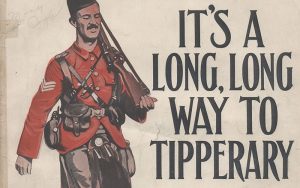
Few songs are as closely associated with Ireland as **”It’s a Long Way to Tipperary”**. For over a century, it has been sung at Irish gatherings, military parades, and sporting events worldwide. Yet the song’s origins are far more complex — and surprising — than many people realize.
Key Facts About “It’s a Long Way to Tipperary”
- Written in 1912 by Englishman Jack Judge
- Originally titled “It’s a Long Way to Connemara” before being changed to Tipperary
- Became the unofficial anthem of British and Irish soldiers during World War I
- Sold millions of copies and was even sung by German troops in translation
- Still generates royalties for the writers’ families more than 110 years later
The Surprising British Origins of an “Irish” Classic
Contrary to popular belief, **”It’s a Long Way to Tipperary”** was not written by an Irish composer. It was created in January 1912 by Jack Judge, an Englishman and former fishmonger turned music hall performer. Judge claimed he wrote the song in a single night after a bet that he could compose a hit in 24 hours.
However, research published in the Financial Times strongly suggests the story is more nuanced. Judge had previously co-written a song called **“It’s a Long Way to Connemara”** with Harry Williams, a wheelchair-bound lyricist. Judge simply swapped “Connemara” for “Tipperary” — a county his own grandmother came from — and the rest is history.
How the Song Became a Global Phenomenon
When World War I broke out in 1914, the song exploded in popularity. British soldiers marching to the front lines sang it enthusiastically. Its catchy chorus and upbeat marching rhythm made it perfect for troops on the move.
The song’s fame reached new heights when the Daily Mail reported that a battalion of the Connacht Rangers had disembarked in France singing “It’s a Long Way to Tipperary.” From that moment, the song became inextricably linked with the Irish soldiers who fought in the Great War.
Even German soldiers were known to sing a translated version of the tune in the trenches — a remarkable example of music transcending enemy lines during one of history’s bloodiest conflicts.
“It’s a long way to Tipperary, it’s a long way to go…”
The Irish Connection: Why Tipperary?
@grandadfrankk One of my all time favourites to sing, It’s a long way to Tipperary, hope you enjoy #fyp #longwaytotipperary #grandad #singing
Although written by an Englishman, the song has deep Irish roots. Jack Judge’s grandmother was from Tipperary, and the county quickly became a powerful symbol of home for Irish soldiers serving in the British Army. The longing expressed in the lyrics resonated strongly with the thousands of Irishmen who left their homes to fight in France and Belgium.
The song also captured the universal feeling of homesickness experienced by soldiers from every nation. Its emotional pull helped make it one of the most enduring songs of the First World War.
Commercial Success and Lasting Royalties
The song was an instant commercial hit. It sold over three million copies in the UK alone and an estimated six million copies worldwide. In 1915, co-writers Jack Judge and Harry Williams earned more than $750,000 in royalties — an astronomical sum at the time.
Remarkably, the copyright has not yet expired, and the song continues to generate approximately $40,000 per year for the writers’ descendants more than 110 years after its creation.
Cultural Impact Beyond the Battlefield
Over the decades, “It’s a Long Way to Tipperary” has appeared in countless films, plays, and television shows. It features prominently in the famous anti-war musical *Oh! What a Lovely War!* and has even been referenced in *Peanuts* cartoons featuring Snoopy as the World War I flying ace.
Today, the song remains a staple at Irish sporting events, military commemorations, and traditional music sessions. Its melody is instantly recognizable to millions around the world.
Tipperary Today: From War Song to Peace Prize
Modern Tipperary has transformed the song’s legacy into something positive. The county is now internationally known for the **Tipperary Peace Prize**, awarded annually to individuals who have made outstanding contributions to peace and reconciliation.
It is a fitting evolution — from a song born in the shadow of war to a symbol of hope and peace in the 21st century.
Frequently Asked Questions About “It’s a Long Way to Tipperary”
Who wrote “It’s a Long Way to Tipperary”?
The song was written in 1912 by Englishman Jack Judge, with lyrics co-written by Harry Williams. Judge changed the original title from “Connemara” to “Tipperary”.
Is “It’s a Long Way to Tipperary” an Irish song?
While widely regarded as an Irish anthem due to its popularity among Irish soldiers in World War I, it was actually composed by a British songwriter with Irish family connections.
Why is the song still popular today?
Its catchy melody, emotional themes of homesickness, and strong association with Irish identity have kept it relevant for over a century.
Does Tipperary still benefit from the song?
Yes. The county has embraced the song’s legacy through the annual Tipperary International Peace Prize, turning a wartime tune into a symbol of peace.
This article explores the fascinating true history behind one of Ireland’s most beloved songs and its enduring cultural significance in 2026.
About the Author
