There are moments in history that transcend time, stories that echo through generations like haunting melodies on the edge of memory. The saga of the Sullivan brothers—five inseparable siblings who perished together during World War II—is one such story.
Their sacrifice became a symbol of familial devotion, wartime tragedy, and the human cost of conflict. This year, on St. Patrick’s Day, the shipwreck of their vessel, the USS Juneau, was rediscovered, an extraordinary moment of remembrance wrapped in Irish significance.
This is not just a story about a ship. It’s about the people who lived, fought, and died together. It’s about how a family’s heartbreak became a nation’s rallying cry and how the echoes of their sacrifice reverberate in our understanding of war, loss, and the meaning of brotherhood.
The Sullivan Brothers: Five Lives Intertwined
George, Francis, Joseph, Madison, and Albert Sullivan grew up in Waterloo, Iowa, a family of Irish-American heritage steeped in working-class values and an unbreakable bond. Born to Thomas and Alleta Sullivan, the brothers shared everything—joys, struggles, and ultimately, their fates.
When Pearl Harbor was attacked on December 7, 1941, the Sullivans were among the thousands of Americans who felt the call to serve. Their Irish spirit, known for loyalty and fierce love of family, guided their decision to enlist together. But their choice came with a condition: they would only serve if allowed to stay together.
The U.S. Navy, wary but willing, granted their request. They were assigned to the USS Juneau, a light cruiser destined for the Pacific theater. For a brief moment, their shared duty seemed like an adventure. They were brothers united, guardians of each other in the chaos of war. But fate had other plans.
The Tragedy of the USS Juneau
On November 13, 1942, during the brutal naval engagement known as the Battle of Guadalcanal, the USS Juneau was struck by a Japanese torpedo. Severely damaged, the ship attempted to retreat. Hours later, as it limped away from the battle, another torpedo struck, splitting the Juneau in two and sinking it within moments.
Of the nearly 700 crew members aboard, only 10 survived long enough to be rescued. Among the dead were the Sullivan brothers, their pact to serve together sealing their collective fate. The Navy’s failure to immediately notify their family compounded the tragedy. Alleta Sullivan, their mother, only learned of their deaths weeks later, a grief that would haunt her for the rest of her life.
St. Patrick’s Day Rediscovery
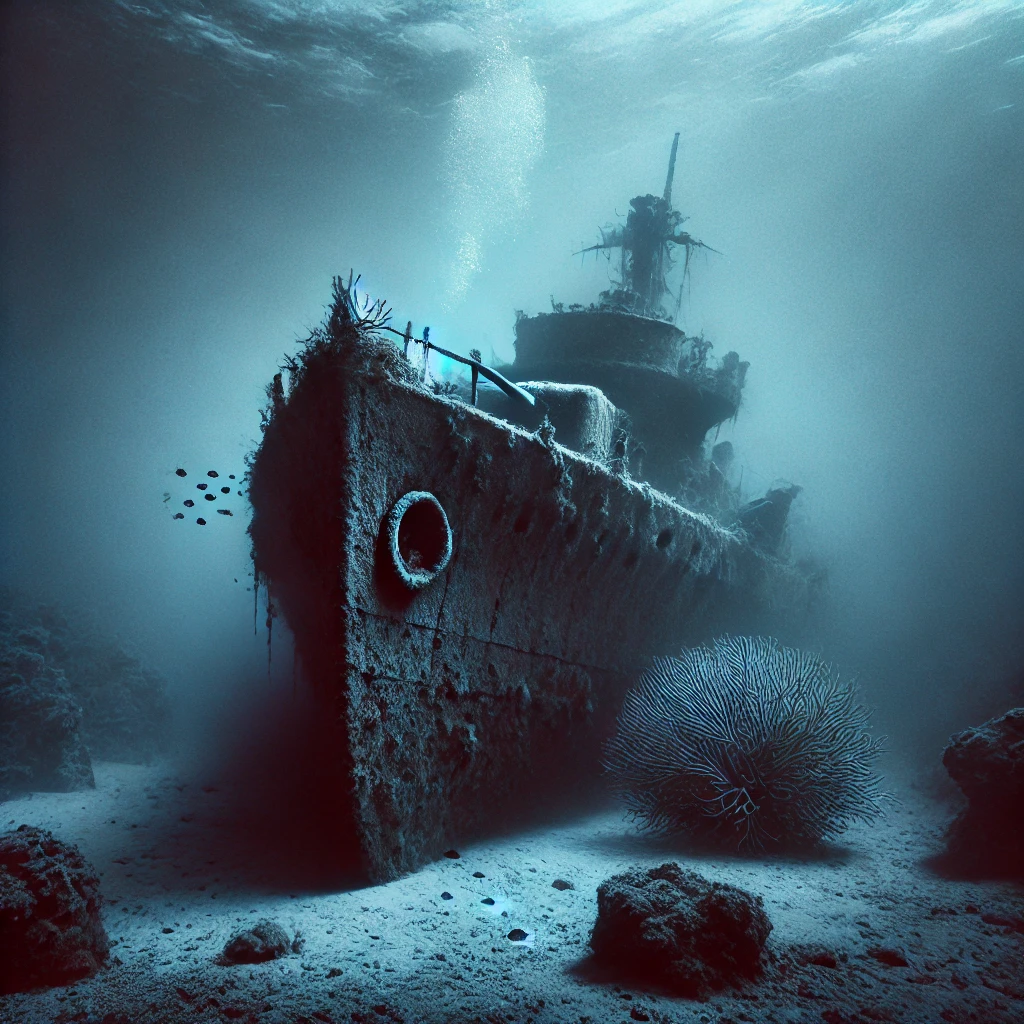
On March 17, a day synonymous with Irish pride and resilience, the RV Petrel, an exploration vessel funded by the late Microsoft co-founder Paul Allen, made the stunning announcement: they had located the wreck of the USS Juneau. Lying nearly two and a half miles below the surface of the South Pacific, the ship’s remains were a poignant reminder of the Sullivans’ sacrifice.
For many, the timing of the discovery felt like more than coincidence. St. Patrick’s Day, a celebration of Irish heritage, seemed a fitting backdrop for unveiling this chapter of Irish-American history. It was a day to honor not only the brothers but also the countless families who have given their loved ones in service to ideals greater than themselves.
A Legacy Forged in Sacrifice
The Sullivans’ story became a rallying cry for unity and resilience during WWII. Their deaths led to the implementation of the Sole Survivor Policy, ensuring no family would endure such a collective loss again. The Navy honored the brothers by naming two ships after them: USS The Sullivans (DD-537), commissioned in 1943, and a later destroyer, USS The Sullivans (DDG-68), which continues to serve today.
Their legacy is also enshrined in popular culture. Films, documentaries, and memorials have kept their story alive. The 1944 movie The Fighting Sullivans dramatized their lives and deaths, cementing their place in America’s wartime consciousness. Their memory serves as a testament to the human cost of war and the enduring power of familial love.
Why the Discovery Matters
The rediscovery of the USS Juneau is more than a technological achievement; it’s an emotional bridge to the past. Shipwrecks like the Juneau are time capsules, preserving moments of courage, fear, and sacrifice. For the descendants of those who served, it offers closure—a way to connect with ancestors whose lives were cut short.
For the Irish-American community, it reaffirms a legacy of loyalty, bravery, and resilience. The Sullivans embodied the spirit of the Irish diaspora, their love for family and duty rooted in the values passed down through generations.
The Role of Irish Resilience
The timing of the discovery on St. Patrick’s Day underscores the indomitable spirit of the Irish. Throughout history, the Irish have faced famine, persecution, and displacement, yet their culture endures, their stories resonate, and their contributions to nations worldwide remain profound.
In the Sullivans’ story, we see echoes of this resilience. Their choice to serve together reflects a uniquely Irish sense of loyalty, one that prioritizes kinship even in the face of insurmountable odds.
Remembering Through Memorials
The rediscovery of the USS Juneau invites us to reflect on the ways we honor the past. Memorials dedicated to the Sullivans can be found across the United States, including:
- The Sullivan Brothers Iowa Veterans Museum in Waterloo, which chronicles the brothers’ story and broader themes of service and sacrifice.
- USS The Sullivans (DDG-68), stationed in Buffalo, New York, which serves as a living tribute to their legacy.
These spaces offer opportunities for future generations to learn from history, ensuring that the sacrifices of families like the Sullivans are never forgotten.
Closure and Reflection
For decades, the exact location of the USS Juneau remained a mystery. Its rediscovery brings a sense of closure not only to the families of the crew but also to all who have been touched by their story. It reminds us of the fragility of life and the extraordinary courage of those who stand in defense of others.
A Story Worth Telling
The story of the Sullivan brothers and the rediscovery of the USS Juneau on St. Patrick’s Day is a testament to the enduring power of sacrifice, family, and memory. It’s a tale that transcends nationality, resonating with anyone who values loyalty, bravery, and the bonds that tie us together.
As we reflect on their lives, let us remember that history is not just a collection of dates and events—it’s the lived experience of people like the Sullivans, whose choices and sacrifices shape the world we inherit. On this St. Patrick’s Day, we honor their legacy and the spirit of resilience they represent. Their story reminds us that even in the depths of tragedy, the human spirit endures, carrying forward the light of those we’ve lost.
A St. Patrick’s Day of Reflection
The rediscovery of the USS Juneau on St. Patrick’s Day carries profound symbolism. For the Irish, St. Patrick’s Day is a celebration of identity, resilience, and the enduring spirit of a people who have weathered countless storms. It’s a day for parades and revelry, but also a time for reflection on the sacrifices that forged a community spread across the world. The Sullivan brothers, of Irish-American heritage, embodied this very spirit.
This St. Patrick’s Day was different. Instead of merely donning green and toasting to Ireland, it became a moment to honor the sacrifice of these five brothers and the larger history they represent. The story of the USS Juneau, lying silently in the depths of the Pacific for over 75 years, resurfaced to remind us that our celebrations of heritage must also include an acknowledgment of the sacrifices that allow such legacies to endure.
Connecting to the Irish Diaspora
For the Irish diaspora, especially in the United States, the story of the Sullivan brothers resonates deeply. The Irish have long been a people connected by bonds of family and shared struggle, even when oceans separated them. Like many immigrant families, the Sullivans carried with them the values of hard work, loyalty, and community that defined their Irish heritage.
Their enlistment in the Navy reflects a tradition among Irish immigrants of standing up for the nations that welcomed them. From the American Civil War to both World Wars, Irish-Americans have been at the forefront of military service. The Sullivan brothers’ story is a microcosm of this broader history, a vivid illustration of how Irish roots have intertwined with American ideals.
A Universal Story of Family and Sacrifice
Though deeply tied to Irish-American identity, the Sullivan brothers’ story transcends ethnicity or nationality. Their choice to serve together was not just an act of loyalty to their country but also a testament to their profound bond as a family. In an era when individualism often takes precedence, their sacrifice reminds us of the enduring power of community, connection, and shared purpose.
The discovery of the USS Juneau also speaks to a universal human desire: the need to honor and remember. Whether through formal memorials, historical research, or even moments of personal reflection, we seek to connect with those who came before us. These connections anchor us, helping us understand who we are and where we come from.
Modern Relevance of the Sullivan Brothers’ Story
Today, the story of the Sullivan brothers feels as relevant as ever. In a world marked by division and conflict, their sacrifice challenges us to reconsider what we value. It asks us to think about the cost of war—not just in terms of lives lost but also in the pain carried by families and communities left behind.
Their story also serves as a reminder of the importance of unity. In an era where divisions—political, social, and cultural—threaten to overshadow shared humanity, the Sullivans’ bond and their collective service offer a powerful example of what it means to stand together, even in the face of overwhelming odds.
The USS Juneau: A Silent Witness
Now resting on the ocean floor, the USS Juneau has become a time capsule of history. Its discovery reminds us not only of the Sullivan brothers but also of the nearly 700 other sailors who perished with them. Each of these men carried their own stories, their own hopes, and their own sacrifices.
Shipwrecks like the Juneau serve as haunting reminders of the human cost of war. They also provide a tangible connection to history, grounding abstract narratives in the stark reality of physical artifacts. The Juneau’s wreckage, preserved in the deep, offers insights not only into the events of the past but also into the resilience and courage of those who lived through them.
Carrying the Torch Forward
The rediscovery of the USS Juneau is not the end of the Sullivan brothers’ story. It is a continuation, a new chapter that invites us to engage with their legacy in deeper ways. As the story gains renewed attention, it presents an opportunity to educate future generations about the sacrifices made during World War II and the enduring lessons they hold.
Organizations and educators can use this moment to highlight the importance of service, unity, and remembrance. For families, the Sullivans’ story can spark conversations about shared values and the ways we honor those who have come before us.
A Call to Remember
As we move forward, the Sullivan brothers’ story asks something of us: to remember. To remember not just their sacrifice but the broader human experiences they represent. To remember the families who continue to bear the weight of loss. To remember that behind every name etched on a memorial or whispered in prayer, there is a life, a story, and a legacy.
On this St. Patrick’s Day, the Sullivan brothers were not just remembered—they were found. Their ship, long hidden in the vast expanse of the Pacific, has reemerged as a symbol of their enduring impact. It is a reminder that even in the depths of tragedy, there is hope. Even in the silence of the sea, there is a story waiting to be told.
About the Author
