For generations, the rousing Irish tune **“Garryowen”** was the official marching song of the United States 7th Cavalry. It was blasted by the regimental band as Lt Colonel George Armstrong Custer led his troops into battle against Native American villages during the brutal Indian Wars of the 1870s.
Now, in a powerful act of reconciliation, descendants of the 7th Cavalry have agreed to stop playing the song permanently — acknowledging the deep pain it causes Native American communities as a symbol of massacre and cultural destruction.
Key Facts About “Garryowen” and Custer’s Campaigns
- “Garryowen” is a traditional Irish drinking song from Limerick
- It became the battle hymn of Custer’s 7th Cavalry
- The song was played immediately before attacks on Native American villages, including the Washita Massacre
- Descendants of the 7th Cavalry have now retired the tune out of respect
The Dark History Behind the Cheerful Tune
@songbirddulcimers “Garryowen” aka “Garry Owen” is played on our Vireo Chromaric hammered dulcimer. #history #custer #garryowen #irishtune #irishjig #limerick #hammereddulcimer #dulcimer #march #battleoflittlebighorn #commemoration #hammerdulcimer #knightstemplar #johnthebaptist #nativeamerican #crazyhorse
“Garryowen” originated as a lively Irish drinking song in Limerick. Its brisk marching cadence made it perfect for military use. When Irish immigrants joined the U.S. Army in large numbers after the Civil War, the tune traveled with them and was adopted by the 7th Cavalry.
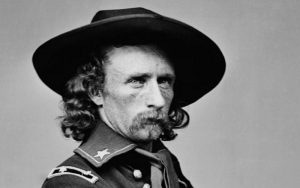
Lt Colonel George Custer, who loved Irish music and had many Irish soldiers in his regiment, made “Garryowen” the official song of the 7th Cavalry. It was played with full regimental band as troops rode into battle — a psychological weapon as much as a marching tune.
The Washita Massacre – “Garryowen” as a Signal of Death
On November 27, 1868, Custer and approximately 700 men of the 7th Cavalry launched a surprise dawn attack on a peaceful Cheyenne village along the Washita River in present-day Oklahoma. As the soldiers charged, the band struck up “Garryowen.”
The village was largely populated by women, children, and elderly men. Up to 100 Cheyenne were killed in the massacre. Custer’s troops destroyed lodges, food supplies, and livestock, leaving survivors to face the harsh winter.
The song was deliberately used to signal the start of the assault. For the Cheyenne and other Plains tribes, the cheerful Irish melody became forever associated with terror and death.
Little Bighorn and the End of Custer
“Garryowen” was played again in June 1876 as Custer’s column left Fort Abraham Lincoln on what would be its final march. Just days later, Custer and over 200 men of the 7th Cavalry — including many Irish soldiers — were killed at the Battle of the Little Bighorn by a combined force of Lakota, Northern Cheyenne, and Arapaho warriors led by Sitting Bull and Crazy Horse.
Despite the defeat, the song continued to be associated with the 7th Cavalry for decades afterward.
“Garryowen” became to Native Americans what “Deutschland Über Alles” is to Jewish people — a hated reminder of past evil and genocide.
A Historic Act of Reconciliation
In 1968, on the 100th anniversary of the Washita Massacre, descendants of the 7th Cavalry (known as the “Grandsons of the Seventh Cavalry”) met with Cheyenne descendants at the site.
During an emotional ceremony, a Cheyenne museum returned the remains of a Cheyenne child to the tribe for proper burial. Deeply moved, 7th Cavalry descendant Captain Eric Gault removed his “Garryowen” badge and promised that the song would never be played again by the descendants of Custer’s regiment.
That promise has now become official. The tune is retired — a small but meaningful step toward healing wounds that have lasted more than 150 years.
Why “Garryowen” Still Matters in 2026
The decision to retire the song reflects a broader global movement toward historical reckoning and cultural sensitivity. For many Native American communities, hearing “Garryowen” evokes the same visceral pain that other groups feel when confronted with symbols of their historical trauma.
Today, the song is rarely played in official U.S. military settings involving the 7th Cavalry’s legacy. Modern military bands and reenactment groups have largely respected the request from Native American leaders and 7th Cavalry descendants alike.
Frequently Asked Questions About “Garryowen” and Custer
What is the song “Garryowen”?
“Garryowen” is a traditional Irish drinking song from Limerick that became the official marching tune of Lt Colonel George Custer’s 7th Cavalry during the Indian Wars.
Why was “Garryowen” played before battles?
Custer used the upbeat Irish tune as a psychological weapon and signal to begin attacks on Native American villages, most notably at the Washita Massacre in 1868.
Has “Garryowen” been banned?
Descendants of the 7th Cavalry have voluntarily retired the song out of respect for Native American communities. It is no longer played at official events connected to the regiment’s history.
What is the connection between “Garryowen” and Ireland?
The song originated in Ireland as a lively drinking tune. Many Irish immigrants served in the 7th Cavalry, which helped make the song popular within the regiment.
his article explores the complex history of an Irish song that became a symbol of both Irish musical heritage and Native American trauma during America’s westward expansion.
About the Author
