Ireland’s Most Notorious Executioner: The Brutal Truth Behind the Gallows That Still Haunt Us
A raw, unfiltered dive into the man they called the Hanging Judge — because some histories deserve to be dragged screaming into the light.
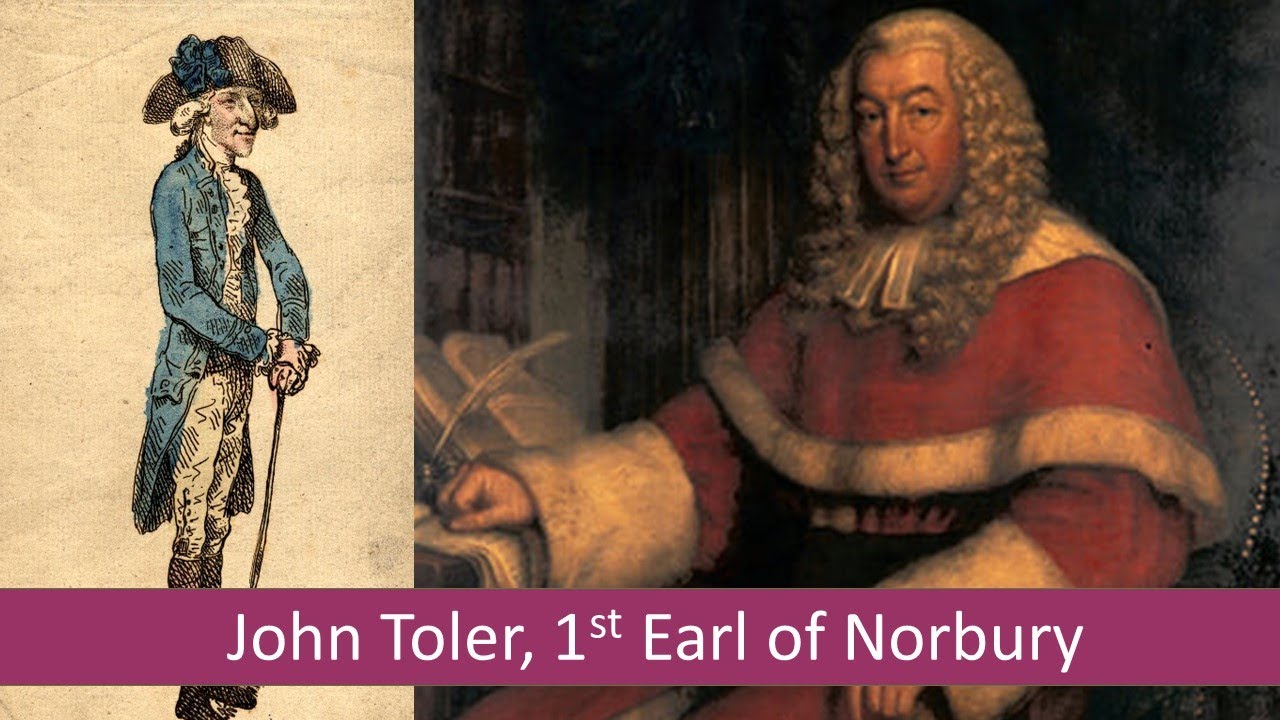
That man was the Hanging Judge Lord Norbury — John Toler, 1st Earl of Norbury. And if you’re searching for the real story behind “the hanging judge lord norbury,” you’ve come to the right place. This isn’t polite history. This is the raw, gut-punch truth of how one Tipperary-born bastard helped the British Empire tighten the noose around Ireland’s throat.
Who the Hell Was Lord Norbury?
Born in 1745 at Beechwood, Co. Tipperary, John Toler wasn’t some cartoon villain. He was worse — a calculated climber who knew exactly which arses to lick and which necks to stretch. MP for Tralee, Solicitor-General, Attorney-General, and finally Chief Justice of the Common Pleas from 1800 to 1827. He voted for the Act of Union like it was a free round in the pub. In return, they made him Baron Norbury… then Earl when he finally became too embarrassing even for the Crown.
The 1798 Rebellion: When the Hanging Judge Found His Rope
The year 1798. United Irishmen rising. The British needed examples. Lord Norbury gave them a slaughterhouse. He presided over trial after trial, sentencing rebels, priests, farmers, and dreamers to the gallows with the casual flair of a man ordering another whiskey.
Henry and John Sheares? Hanged. Dozens more whose names history barely remembers? Swung from the same rope. Norbury didn’t just pass sentence — he performed it. Interrupted witnesses. Quoted Shakespeare mid-trial. Turned the courtroom into his personal theatre of cruelty. They called it justice. Ireland called it murder.
“I was in hopes that I might have been able to recall you to a more composed state of mind…” — Lord Norbury, sneering at Robert Emmet before sentencing him to death.
The Robert Emmet Trial: The Day the Hanging Judge Met His Match

Robert Emmet’s final speech — aimed straight at the blood-stained hands of Lord Norbury.
19 September 1803. Robert Emmet stands in the dock. The Hanging Judge Lord Norbury presides. Emmet’s speech from the dock is still one of the greatest acts of defiance in Irish history — and every word was aimed like a bullet at Norbury’s “blood-stained bench.”
Emmet was hanged the next day outside St Catherine’s Church. Norbury made sure the job was done quick. No appeals. No mercy. Just the rope.
Read more about the hidden stories of 1798 on Secret Ireland →
The Courtroom Circus: Gallows Humour from a Sadist
Norbury didn’t just kill — he entertained himself while doing it. He’d quote Milton. He’d fall asleep during murder trials (yes, really). He once allegedly ran out of rope and shrugged: “Well, we’ll just have to hang them two at a time then.”
His nickname wasn’t given lightly. Contemporaries called him corrupt, vicious, and unfit even by the standards of the time. Daniel O’Connell tried to have him removed. Twice. The man was a walking indictment of the entire rotten system.

The rope that defined an era — courtesy of the Hanging Judge.
The Fall of the Hanging Judge: Senility, Bribery & a Final Earl’s Title
By the 1820s even the British had enough. Petitions flew. Witnesses swore Norbury had nodded off mid-trial. He resigned in 1827… but only after they sweetened the deal with the title of 1st Earl of Norbury. Classic establishment move — promote the problem upstairs.
He died in 1831 at his Dublin home on Great Denmark Street. Buried in St Mary’s, no great mourning from the Irish side.
Why the Hanging Judge Lord Norbury Still Matters in 2026
This isn’t dusty history. This is the story of how power protects itself. How a Tipperary boy became the face of imperial terror. How the elite rewarded loyalty with titles while the poor swung.
In an era when we’re still fighting the same battles — against corruption, against unaccountable authority, against those who treat justice as a punchline — Lord Norbury is a warning from the grave.
Secret Ireland exists to drag these stories out of the shadows. Because forgetting isn’t forgiveness. It’s surrender.
Frequently Asked Questions About the Hanging Judge Lord Norbury
Who was the Hanging Judge Lord Norbury?
John Toler (1745–1831), 1st Earl of Norbury, Chief Justice of the Irish Common Pleas and notorious for sentencing hundreds to death during the 1798 Rebellion and Robert Emmet’s trial.
Why was he called the Hanging Judge?
His ruthless sentencing, gallows humour, and sheer volume of death sentences earned him the nickname across Ireland. He was considered one of the most corrupt judges in Irish legal history.
Did Lord Norbury sentence Robert Emmet?
Yes. He presided over Emmet’s 1803 trial and passed the death sentence the same night. Emmet’s famous speech from the dock was a direct attack on Norbury.
Where can I learn more about dark Irish history?
Explore our full Irish History section or read about Ireland’s phantom isles, cursing stones, and hidden rebellions.
Further reading & sources (for the truth-seekers):
- Irish Legal Heritage: The hanging judge who ran out of rope
- Turtle Bunbury Histories: Lord Norbury – The Hanging Judge
- Dublin Historical Record: Norbury, “The Hanging Judge” (1745-1831)
- Dictionary of Irish Biography entry on John Toler
The rope may have rotted, but the memory hasn’t. Share this if you believe Ireland’s hidden stories still matter.
Back to Secret Ireland → Uncover more dark truths
About the Author
