
By Secret Ireland Team | February 25, 2026
The problem, driven by a growing shortage of pathologists willing to perform coroner-directed post-mortems, has reached critical levels in counties including Waterford, Limerick, Clare, and Dublin. Incoming president of the Coroners Society of Ireland, Dr Denis McCauley, described the service as running on a “wing and prayer,” reliant on the goodwill of hospital pathologists working in their own time.
Approximately 6,000 post-mortems are conducted annually in Ireland, mostly ordered by coroners following sudden, unexplained, violent, or unnatural deaths. These examinations are essential for determining cause of death, informing inquests, and supporting public health and patient safety.
However, a combination of factors—including unchanged fees, heavy hospital workloads, adversarial inquest questioning, and competing demands—has led many HSE-employed consultant pathologists to opt out of the coroner service.
Waterford Crisis: UK Pathologists Flown In to Fill Gaps
The situation escalated dramatically in Waterford, where consultants at University Hospital Waterford announced in late 2025 they would withdraw from coroner post-mortems effective January 2026. This decision impacted not only Waterford but also Wexford, Kilkenny, Tipperary, and Carlow. To prevent complete collapse, locum pathologists are now being flown in from the UK three days a week—at significantly higher costs than local specialists.
The reliance on expensive overseas cover highlights systemic failure. Dr McCauley warned that without urgent intervention, similar breakdowns could spread nationwide, further prolonging grief for bereaved families already coping with sudden loss.
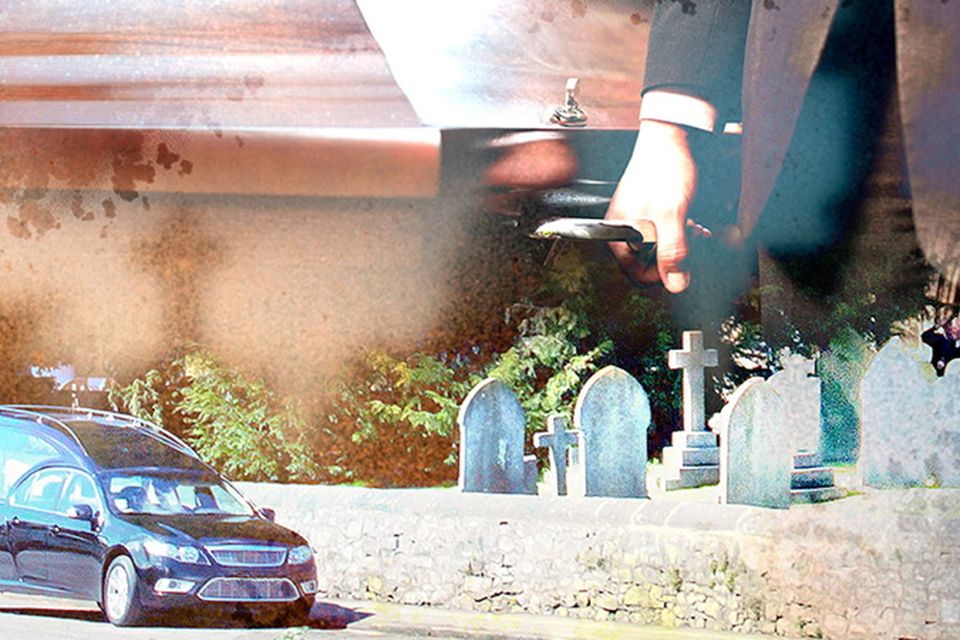
Funeral procession in Ireland – delays in post-mortems are forcing families to postpone burials, adding to emotional distress.
Nationwide Delays: From Days to Over a Week
Delays vary by region but are increasingly common. In Limerick and Clare, families often wait several days longer than desired. In Dublin, where major hospitals like St James’s, the Mater, and Beaumont have ceased providing coroner post-mortems, waits can exceed a week. Traditional Irish grieving customs favour quick funerals—often within days—but current backlogs are disrupting this, forcing bodies to remain in funeral homes longer and complicating arrangements.
Fr Michael Toomey from Ardfinnan, Co Tipperary, shared examples: one parishioner’s funeral was delayed by a week and held on a Sunday, while another’s reposing was pushed back hours because the body wasn’t released until late afternoon. Multiple funerals sometimes overlap, adding logistical strain on families and clergy. ”
In Ireland, people are used to burying loved ones in a few days, but now it’s at least a week in some cases,” Fr Toomey noted, contrasting it with longer waits in England.
Particular Concern: Specialist Baby Death Autopsies in Peril
Among the most alarming issues is the future of perinatal and baby death autopsies, now described as a “patchwork service.” A recent perinatal post-mortem took a full week, including sending samples abroad for specialist analysis.
These examinations are vital for understanding causes of infant loss, informing family planning, and contributing to medical research. The Faculty of Pathology at the Royal College of Physicians warned in its report that “there is a very real crisis in the provision of the autopsy service by HSE facilities and staff on a national level.”
The report highlighted broader implications: delayed or absent autopsies hinder accurate cause-of-death data, affect public health surveillance, and impact diagnostic and research work in hospitals.
Hospital pathology lab – Ireland’s post-mortem service relies heavily on HSE pathologists, many of whom are opting out due to workload and fees.
Root Causes: Unchanged Fees, Workload, and Legal Pressures
The €320 fee for coroner-directed post-mortems has remained static for about 20 years. Pathologists cite this as inadequate compensation given the time, expertise, and emotional toll involved. Hospital workloads have intensified, and some avoid coroner work due to adversarial questioning at inquests, where legal representatives scrutinise findings rigorously.
Dr McCauley called for a “quantum” increase in fees and dedicated funding for pathologist posts with contractual obligations to perform coroner autopsies. The current system sees HSE consultants paid case-by-case by local authorities (except in Dublin), creating inconsistency and burnout.
Calls for Urgent Action and Government Response
The Coroners Society, Faculty of Pathology, and others have urged immediate reform. Recommendations include funding additional pathologist positions, creating a dedicated coroner autopsy contract, and improving recruitment and training pipelines. A new Coroners Bill is in development, aiming to minimise the impact of death investigations on bereaved families.
Justice Minister Jim O’Callaghan acknowledged the challenges, noting ongoing engagement with Health Minister Jennifer Carroll MacNeill. He stressed the need for a “long-term sustainable solution” that reduces reliance on locums. The Department of Justice, which holds ultimate responsibility, stated delays are “deeply upsetting” and emphasised comprehensive investigation of concerns.
Broader Implications for Bereaved Families and Public Health
Prolonged post-mortem delays extend the grieving process, preventing closure and complicating practical arrangements like wakes, burials, and family travel. For some, cultural expectations of prompt funerals add profound distress. On a systemic level, the crisis undermines accurate mortality data, forensic insights, and improvements in healthcare quality.
The opt-out trend among pathologists reflects deeper workforce pressures in Irish healthcare. Without intervention, the “patchwork” service risks further fragmentation, especially for specialised autopsies.
Conclusion: Time for Reform in Ireland’s Death Investigation System
Ireland’s coroner post-mortem service stands at a crossroads in 2026. From UK locums in Waterford to week-long waits in Dublin, the crisis is causing unnecessary suffering for grieving families nationwide. Urgent action—higher fees, dedicated posts, and legislative reform—is essential to restore reliability and compassion to this vital public service.
Follow more stories on Irish healthcare, rural issues, and social services at Secret Ireland.
About the Author
