By Secret Ireland Team | February 23, 2026
The case, prosecuted by the Garda National Economic Crime Bureau (GNECB), highlights vulnerabilities in the medical card scheme and the impact on vulnerable elderly patients.
Proven fraudulent claims totaled €58,000, though investigators believe the actual amount is substantially higher. Over €1.1 million in two bank accounts linked to Kiely has been frozen pending final outcomes.
The Systematic Nature of the Fraud: False Claims and Forged Records
Kiely’s offending was described in court as deliberate, systematic, and persistent—even continuing after his initial arrest. HSE dental inspectors interviewed 131 patients, while gardaí examined 79 separate incidents of deception, backed by 56 patient statements. Patient cards were altered, rewritten, duplicated, or forged, and Kiely emailed the HSE requesting reverse payments while under investigation.
Particularly shocking were claims for excessive tooth extractions on patients who had few or no teeth left. In one instance, Kiely claimed to have extracted 32 teeth from an 82-year-old woman—despite evidence she had all her teeth removed at age 16. Similar fabrications included 22 extractions for a woman who had only one tooth removed, 24 for a woman with no extractions in Ireland, and 22 for a man who had never lost a tooth.
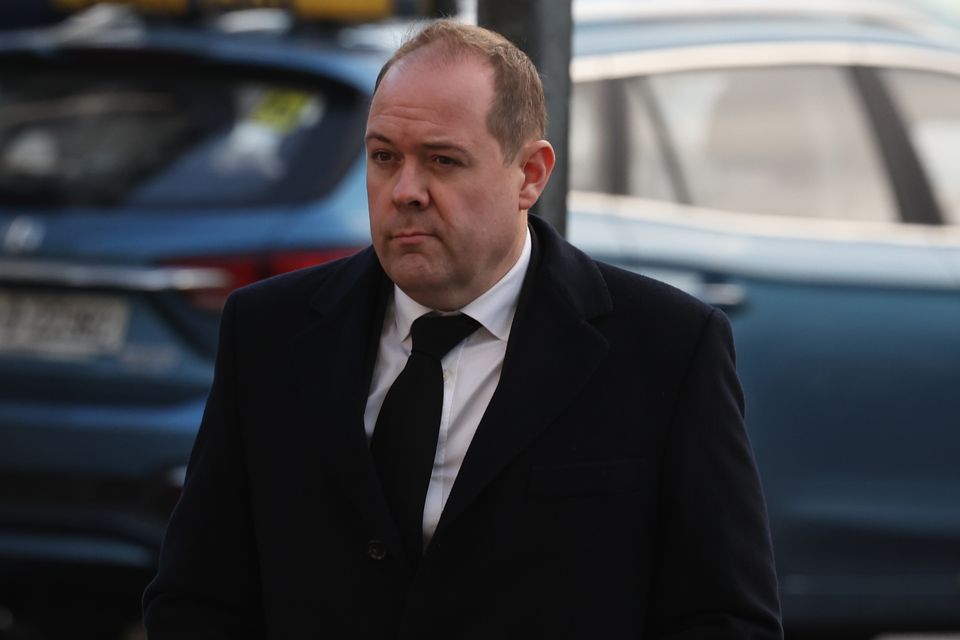
Jerome Kiely, the Tipperary dentist at the center of the HSE fraud case. Photo: Paddy Cummins
These false claims not only defrauded the HSE but caused real harm. One elderly woman was unable to obtain dentures because a fraudulent claim had been submitted in her name, leading to stress and worry before the HSE rectified the issue. Many patients feared losing their medical cards due to the investigation’s scrutiny.
Kiely’s Earnings Under the Medical Card Scheme
For years, Jerome Kiely was among the highest earners under the medical card dental scheme. In 2009, he received €406,859 from the HSE, followed by €322,521 in 2010. By 2018, payments reached around €300,000 annually. His contract with the HSE was terminated in June 2025 amid the probe.
The investigation began in September 2020 following an HSE audit that uncovered overclaiming and unsubstantiated treatments at Kiely’s practice. Garda searches of his home and clinic in August 2021 seized patient records. Kiely was first arrested by appointment in July 2023, with a second arrest at his clinic in October 2025.
The Investigation and Prosecution: A Lengthy GNECB Effort
Detectives described the probe as “lengthy and painstaking,” spanning years to gather evidence for a successful prosecution. This case is one of up to a dozen ongoing GNECB investigations into medical professionals suspected of fraud. The scale underscores broader issues in oversight of public health schemes.
Kiely qualified as a dentist in 2003 and originally hailed from Tipperary town. He was granted bail on Friday after Detective Garda Ciaran Ronan outlined the case. Sentencing occurred before Judge Martin Nolan at Dublin Circuit Criminal Court on February 23, 2026.
Court documents and evidence from the GNECB investigation into Jerome Kiely’s HSE fraud.
Impact on Patients and the HSE: Beyond Financial Loss
While the proven fraud amounted to €58,000, the human cost was profound. Elderly and vulnerable patients endured unnecessary stress, fearing loss of entitlements. The inability of one woman to access dentures highlights how fraud disrupts essential care under the DTSS, which provides free or subsidized dental treatment to medical card holders.
Sources noted that patients felt stigmatized by the investigation, worrying their medical cards were at risk. The HSE’s eventual rectification came only after significant distress, illustrating the ripple effects of such deception in public health systems.
Broader Context: Fraud in Ireland’s Healthcare System
Kiely’s case fits into a pattern of fraud investigations targeting medical professionals. Similar probes into overclaiming and false submissions have raised questions about monitoring mechanisms in schemes like the DTSS. The GNECB’s role in economic crime enforcement has been crucial in building cases against healthcare providers abusing public funds.
As Ireland grapples with healthcare funding pressures in 2026, cases like this emphasize the need for robust audits, digital verification of claims, and swift action against offenders to protect taxpayers and patients alike.
Conclusion: A Cautionary Tale in Healthcare Integrity
Jerome Kiely’s sentencing marks accountability for years of deliberate fraud that exploited the HSE and vulnerable patients. From faking dozens of extractions to forging records, the case exposed serious breaches of trust in the dental profession. With frozen assets and a terminated contract, the repercussions extend beyond criminal penalties.
This scandal serves as a reminder of the importance of integrity in public health services. Stay informed on Irish crime, healthcare, and justice stories at Secret Ireland.
About the Author
