Ireland’s Ancient East isn’t just a destination—it’s a story.
A vast tapestry of over 5,000 years of history, it’s a place where Viking warriors roam beside medieval monks, where myths whisper from stone circles, and where ancient kings once ruled lands that now welcome wanderers seeking a glimpse into the soul of Ireland.
Forget guidebooks that skim the surface. To walk through Ireland’s Ancient East is to dive headfirst into a world where history breathes, landscapes whisper secrets, and every turn in the road feels like stepping into another era.
What is Ireland’s Ancient East?
So, what exactly is Ireland’s Ancient East? It’s a treasure trove of heritage sites stretching across the east and southeast of Ireland. Think of it as the yin to the Wild Atlantic Way’s yang—a landscape less about the raw power of the Atlantic and more about the deep roots of history and myth.
Unlike the west coast’s jagged cliffs and roaring seas, the east is a quieter, more contemplative place. Here, lush green valleys cradle ancient monasteries, while quaint villages host some of the oldest landmarks in Europe. It’s not about rushing through; it’s about sinking into the stories, letting the land guide you through time.
Where is Ireland’s Ancient East?
Ireland’s Ancient East covers much of Ireland’s eastern and southeastern regions. It’s not defined by one single boundary but rather a collection of sites and counties that form a rich tapestry of history. If the Wild Atlantic Way takes you to Ireland’s edge, the Ancient East takes you to its heart. Use an Ireland’s Ancient East map to navigate the region, ensuring you don’t miss any hidden gems.
What Counties Are in Ireland’s Ancient East?
The counties of Ireland’s Ancient East are as diverse as the stories they tell. Together, they form a patchwork of culture, history, and natural beauty. Here’s a breakdown of the key counties:
- Meath
Known as the Royal County, Meath is home to the Hill of Tara, the ancient seat of Ireland’s High Kings, and Newgrange, a UNESCO World Heritage Site older than the pyramids of Egypt. - Kilkenny
Kilkenny boasts medieval charm with its iconic castle and cobbled streets, while its surrounding countryside hides treasures like Jerpoint Abbey. - Wexford
Wexford is the site of Ireland’s earliest Viking settlement and offers coastal beauty alongside ancient ruins. - Waterford
The Viking Triangle in Waterford City showcases Ireland’s oldest city, with an enthralling history stretching back to 914 AD. - Wicklow
Known as the Garden of Ireland, Wicklow is home to Glendalough, a monastic site nestled in a stunning glacial valley. - Tipperary, Kildare, Carlow, and Louth
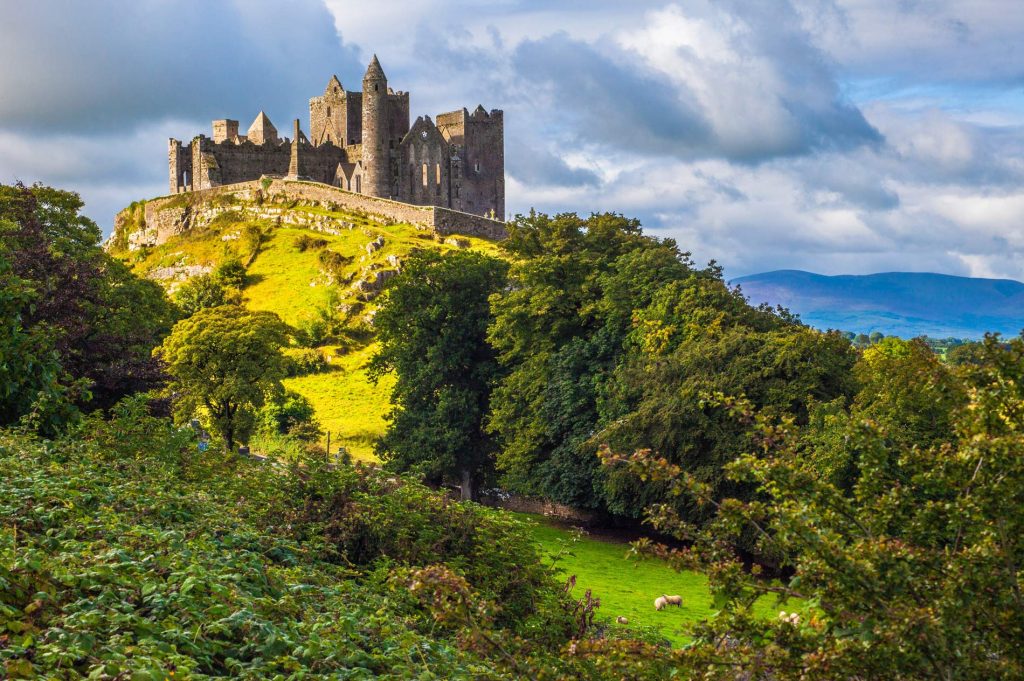
These counties offer everything from the Rock of Cashel in Tipperary to the ancient monastic settlement at Monasterboice in Louth.
Looking for a detailed breakdown of Ireland’s iconic regions? Explore the full list of Ireland’s Ancient East counties.
Is Cork Part of Ireland’s Ancient East?
No, Cork is not officially part of Ireland’s Ancient East. While Cork is deeply steeped in its own history and culture, it is considered part of the southern region rather than the east. If you’re exploring Cork’s treasures and want to balance it with Ireland’s historic east, consider blending both into your itinerary.
For more on Cork’s role in Ireland’s broader story, read The Wild Atlantic Way: Ireland’s Fierce Frontier of Freedom and Wonder.
Ireland’s Ancient East Landmarks
You could spend a lifetime exploring Ireland’s Ancient East landmarks and still uncover new stories. But here are a few unmissable highlights:
- Newgrange (County Meath)
A passage tomb built around 3,200 BC, this UNESCO World Heritage Site is a testament to Ireland’s ancient engineering prowess and spiritual depth. - Glendalough (County Wicklow)
Founded by St. Kevin in the 6th century, this monastic settlement is surrounded by breathtaking natural beauty. - The Rock of Cashel (County Tipperary)
Once the seat of kings, this iconic site boasts medieval buildings that dominate the surrounding landscape. - Kilkenny Castle (County Kilkenny)
A symbol of Norman power and elegance, the castle stands as a centerpiece of Ireland’s medieval heritage. - Hook Lighthouse (County Wexford)
One of the world’s oldest operational lighthouses, it offers stunning views and a glimpse into maritime history.
For a more immersive experience, join one of the many Ireland’s Ancient East tours available, each offering unique insights into the region’s history and culture.
Ireland’s Ancient East Maze
If you’re visiting with family or simply love quirky attractions, the Ireland’s Ancient East Maze in County Meath is a must-see. Designed to represent ancient Irish culture, it’s an interactive and educational experience that brings history to life in a playful way. Visitors of all ages will find themselves lost in the fun and wonder of this unique landmark.
Ireland’s Ancient East: A Haven for History Buffs and Dreamers
1. Explore at Your Own Pace with an Ireland’s Ancient East Itinerary
Whether you have a weekend or a week, an Ireland’s Ancient East itinerary can guide you through the highlights while leaving room for personal discoveries. Consider starting in Meath with Newgrange, moving south to Kilkenny and Waterford, and finishing in Wicklow’s Glendalough.
2. Ireland’s Ancient East Book Recommendations
Want to delve deeper into the region’s stories before you visit? Pick up an Ireland’s Ancient East book like “The Kings of Tara” or “Myths and Legends of Ireland” for an in-depth look at the area’s history and folklore.
FAQs About Ireland’s Ancient East
1. Where is Ireland’s Ancient East?
It spans Ireland’s eastern and southeastern regions, including counties like Meath, Kilkenny, Wexford, and Wicklow.
2. What counties are in Ireland’s Ancient East?
Counties include Meath, Kilkenny, Wexford, Waterford, Wicklow, and parts of Tipperary, Kildare, Carlow, and Louth.
3. Is Cork part of Ireland’s Ancient East?
No, Cork is not part of Ireland’s Ancient East. It’s part of southern Ireland and the Wild Atlantic Way region.
4. What is the Ancient East?
It’s a region of Ireland rich in history, spanning over 5,000 years of human activity, from Neolithic tombs to medieval castles and Viking settlements.
Building Authority with Authoritative Links
Adding depth and trustworthiness to this blog are authoritative links to resources like:
- Discover Ireland’s Official Ancient East Page
- Heritage Ireland for information on historic sites.
- Irish Heritage Trust for more about Ireland’s preserved cultural landmarks.
Step Back in Time: Discover Ireland’s Ancient East
Ireland’s Ancient East isn’t a destination; it’s a revelation. It’s a place where myths aren’t just stories—they’re the very foundation of the land. It’s where history isn’t confined to museums but etched into the stones, the trees, and the people who live here.
Plan your journey today and let the whispers of Ireland’s past guide your steps. For a deeper dive into Ireland’s treasures, explore these guides:
- The Wild Atlantic Way: Ireland’s Fierce Frontier of Freedom and Wonder
- Discover Secret Ireland’s Rich Culture and History
Your story begins here. Will you answer the call of Ireland’s Ancient East?
The Timeless Allure of Ireland’s Ancient East
To travel through Ireland’s Ancient East is to immerse yourself in a landscape where time stands still and the echoes of history resound in every stone, tree, and whispering breeze. It’s a place where ancient myths collide with historical truths, creating a mosaic of human experience that has shaped Ireland’s identity for thousands of years.
But Ireland’s Ancient East isn’t just for history buffs. It’s for dreamers, wanderers, and anyone willing to let the stories of the past transform their present. Whether you’re exploring medieval castles, ancient tombs, or bustling towns steeped in tradition, the magic of this region lies in its ability to connect you to something greater than yourself.
Uncovering Hidden Gems in Ireland’s Ancient East
Beyond the well-known landmarks like Newgrange and Glendalough, Ireland’s Ancient East offers countless hidden gems waiting to be discovered. Here are a few off-the-beaten-path treasures:
1. The Hill of Uisneach (County Westmeath)
Often overlooked in favor of the Hill of Tara, Uisneach is considered the spiritual center of Ireland and the ancient seat of the High Kings. It’s said to be the meeting place of the five provinces and the burial site of the goddess Ériu, after whom Ireland is named.
2. Dunmore Cave (County Kilkenny)
This limestone cave is steeped in both natural beauty and Viking history. Archaeological discoveries have revealed treasures and tragic tales from Viking raids, making it a must-visit for history and geology enthusiasts alike.
3. Loughcrew Cairns (County Meath)
Older than Newgrange, this collection of passage tombs is a quieter, more mystical alternative for those seeking a spiritual experience. Climb to the summit and marvel at the panoramic views of the surrounding countryside.
4. Hook Peninsula (County Wexford)
Beyond the famous Hook Lighthouse, the peninsula is home to lesser-known sites like Tintern Abbey and the Norman Way, a series of medieval landmarks showcasing Ireland’s Norman heritage.
For a complete guide to these hidden gems and more, consult Discover Ireland’s Ancient East.
Immerse Yourself in Local Culture
The charm of Ireland’s Ancient East doesn’t stop at its landmarks. It’s in the music spilling out of pub doors, the aroma of freshly baked soda bread wafting through village streets, and the warmth of locals eager to share their stories.
Traditional Festivals and Events
Many towns and villages in the region host festivals celebrating local history and culture. Highlights include:
- The Kilkenny Arts Festival: A celebration of music, theater, and visual arts in Ireland’s medieval capital.
- Wexford Festival Opera: Renowned internationally, this event draws opera lovers from around the globe.
- Heritage Week: Held annually across Ireland, this event showcases the region’s historic sites with special tours and activities.
For an updated list of festivals and events, visit Heritage Ireland.
Plan Your Perfect Ireland’s Ancient East Tour
Whether you’re planning a short getaway or a longer adventure, crafting a personalized Ireland’s Ancient East itinerary ensures you experience the best of the region. Here’s a suggested 5-day itinerary:
Day 1: County Meath
- Begin at Newgrange, marveling at this ancient engineering wonder.
- Visit the Hill of Tara to walk in the footsteps of Ireland’s High Kings.
- End your day in Trim with a visit to Trim Castle, the largest Anglo-Norman castle in Ireland.
Day 2: County Kilkenny
- Explore Kilkenny Castle and the medieval streets of the city.
- Discover the craftsmanship of the Kilkenny Design Centre.
- Visit Jerpoint Abbey, a monastic ruin with beautifully carved tombs.
Day 3: County Wexford
- Start at Hook Lighthouse, one of the oldest operational lighthouses in the world.
- Visit the Irish National Heritage Park, an open-air museum showcasing over 9,000 years of history.
- Explore the Norman Way trail.
Day 4: County Waterford
- Walk the Viking Triangle in Waterford City.
- Admire the exquisite craftsmanship of Waterford Crystal.
- Take a scenic drive along the Copper Coast UNESCO Global Geopark.
Day 5: County Wicklow
- End your journey at Glendalough, exploring the monastic ruins and serene lakes.
- Hike through the Wicklow Mountains National Park, taking in breathtaking views.
- Reflect on your journey with a visit to Powerscourt Estate and Gardens.
Why Ireland’s Ancient East Should Be on Your Bucket List
In a world that often feels chaotic and disconnected, Ireland’s Ancient East offers a sense of grounding. It’s a reminder of the enduring power of stories, of the resilience of people and places, and of the beauty that comes from honoring the past while embracing the present.
Answering the FAQs
Where is Ireland’s Ancient East?
It spans the eastern and southeastern parts of Ireland, encompassing counties like Meath, Kilkenny, Wexford, and Wicklow.
What counties are in the Ancient East?
Meath, Kilkenny, Wexford, Waterford, Wicklow, and parts of Tipperary, Kildare, Carlow, and Louth.
Is Cork part of Ireland’s Ancient East?
No, Cork is not officially part of the region but offers its own rich history as part of southern Ireland.
What is the Ancient East?
A region showcasing over 5,000 years of history, from Neolithic tombs to Viking settlements and medieval castles.
Step Into Ireland’s Ancient East
There’s no place quite like Ireland’s Ancient East. It’s not just a region; it’s a journey through time. A place where every stone has a story, every landmark a legacy. So, pack your bags, grab your Ireland’s Ancient East map, and set off on an adventure that will leave you forever changed.
For more inspiration, check out:
- The Wild Atlantic Way: Ireland’s Fierce Frontier of Freedom and Wonder
- Discover Ireland’s Hidden Gems
Your journey into Ireland’s soul begins here. Will you answer the call?
About the Author

Seamus
Administrator
Seamus O Hanrachtaigh is an Irish historian, explorer, and storyteller passionate about uncovering the hidden gems and forgotten heritage of Ireland. With years of hands-on exploration across every county — from misty folklore-rich glens and ancient trails to secret coastal paths and vibrant traditional music sessions — he brings authentic, experience-backed insights to travelers seeking the real Ireland beyond the tourist trails. A regular contributor to Irish Central and other publications, Seamus specializes in Celtic traditions, genealogy, Irish history, and off-the-beaten-path road trips. Every guide on SecretIreland.ie draws from personal adventures, local conversations, rigorous research, and fresh 2026 discoveries to deliver trustworthy content filled with genuine craic and hidden stories that big guidebooks miss. When not chasing the next undiscovered spot, Seamus enjoys trad music sessions and fireside storytelling with fellow enthusiasts who value Ireland’s living culture.