
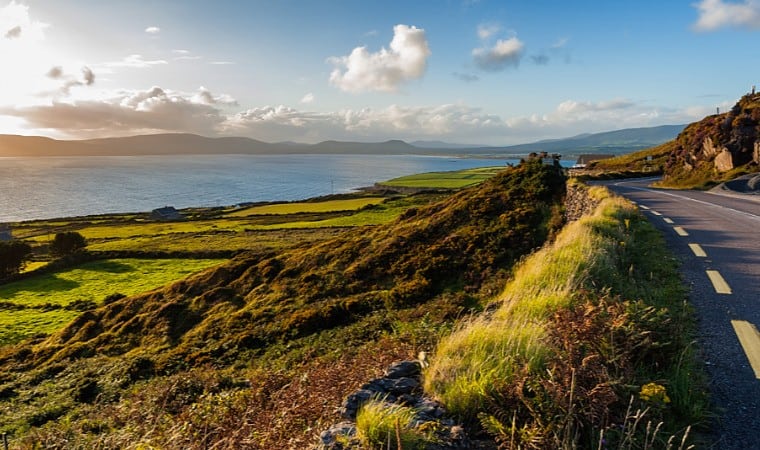
Ireland’s Wild Atlantic Way isn’t just a road; it’s a revolution of the senses, a manifesto etched in waves and stone. Stretching along the west coast for 2,600 kilometers, it’s the beating heart of a nation’s soul—a place where wild landscapes collide with rich history, fierce tradition, and unyielding beauty. But don’t be fooled; the Wild Atlantic Way isn’t for the faint-hearted. It’s a pilgrimage, an odyssey, a reckoning.
Pack your bags, grab your Wild Atlantic Way map, and brace yourself. This isn’t just a drive—it’s a journey that’ll leave you questioning everything you thought you knew about adventure, solitude, and Ireland itself.
How Long Would It Take to Do the Wild Atlantic Way?
“How long is a piece of string?” That’s what they’ll tell you when you ask how long it takes to traverse the Wild Atlantic Way route. In theory, you could blitz through it in a week—some even craft Wild Atlantic Way 7-day itineraries—but to truly know it? To feel the salt whip across your face or the ancient stones hum under your feet? That takes time. Two weeks. A month. Maybe a lifetime.
The Wild Atlantic Way distance spans nine counties, from Donegal in the north to Cork in the south. It’s a road that defies time, urging you to slow down, breathe, and let the landscape tell its story.
Where Does the Wild Atlantic Way Start in Ireland?
If you’re a stickler for order, the official starting point is Malin Head, Ireland’s northernmost tip in County Donegal. This rugged outpost feels like the edge of the earth, a place where the Atlantic crashes against ancient cliffs with reckless abandon. But maybe you’re a rebel. Maybe you’d rather start at Kinsale, down in County Cork, and work your way north. After all, the Wild Atlantic Way drive isn’t about rules; it’s about the ride.
The Best Parts of the Wild Atlantic Way: The Impossible Question
To ask which part of the Wild Atlantic Way is the best is to ask a poet which stanza of their life’s work they love most. But here’s the secret: every mile, every stop, every twist and turn offers something uniquely sublime.
- Donegal’s Slieve League Cliffs: Taller than the Cliffs of Moher and twice as raw, they’re a hymn to the untamed.
- Galway’s Connemara: A dreamscape of rugged mountains, shimmering lakes, and endless skies.
- Kerry’s Skellig Ring: Remote, cinematic, and spiritual—this is where monks sought solitude and the Jedi trained.
- Cork’s Kinsale to Mizen Head: The southern stretch feels like a farewell hug from the Atlantic, with its soft sands and colorful harbors.
How Many Wild Atlantic Way Stops Are There?
There are 188 Discovery Points, 15 Signature Points, and 1 unbreakable connection: the Atlantic. These stops are more than mere waypoints; they’re invitations to step out of your car, into the wind, and into Ireland’s living history.
The Wild Atlantic Way logo marks each stop, guiding travelers through places like the Blasket Islands, Loop Head, and Achill Island, where the ghosts of history linger like mist on the cliffs. Download the Wild Atlantic Way map pdf, circle every stop, and see how many you can conquer.
Wild Atlantic Way 7-Day Itinerary: A Taste of the Wild
If time is your enemy, here’s a condensed itinerary to drink deeply from the Wild Atlantic Way’s chalice:
Day 1: Donegal
Begin at Malin Head. Marvel at the Slieve League Cliffs and lose yourself in Donegal’s beaches.
Day 2: Sligo
Follow the coastline to Sligo, Yeats’ country, and stand in awe of Benbulben’s looming silhouette.
Day 3: Mayo
Discover Keem Bay on Achill Island and walk the haunting landscape of Céide Fields.
Day 4: Galway
Drive through Connemara, the beating heart of the west, and explore Galway City’s vibrant streets.
Day 5: Clare
Stand at the Cliffs of Moher, where the Atlantic roars its loudest.
Day 6: Kerry
The Dingle Peninsula and Skellig Ring await—each a masterclass in natural beauty.
Day 7: Cork
End in Kinsale, where colorful streets meet gourmet delights and the Atlantic whispers goodbye.
Driving the Wild Atlantic Way: The Experience
The Wild Atlantic Way drive isn’t just about getting from point A to point B; it’s about the moments in between. The way the road curves through fishing villages, past crumbling castles, and alongside beaches so untouched they feel otherworldly. It’s about pulling over because the light just hit the water in a way that breaks your heart.
Download your Wild Atlantic Way map and get ready for a road trip that’ll challenge everything you thought you knew about travel.
Cork: The Southern Gem
While every county along the Wild Atlantic Way has its charms, Cork feels like a love letter to the sea. Start in Kinsale, where you can wander the cobbled streets and feast on the freshest seafood. Drive through the Beara Peninsula, where mountains dive into the sea, and end at Mizen Head, Ireland’s southernmost point. The Wild Atlantic Way Cork stretch is a softer wildness—a place to reflect on the journey behind you and the infinite ocean ahead.
The Wild Atlantic Way Logo: A Symbol of Freedom
The Wild Atlantic Way logo—a stylized wave—captures the essence of this journey. It’s a reminder that life, like the ocean, is unpredictable, beautiful, and meant to be embraced. You’ll see this logo on signs along the route, pointing you toward adventure.
Why the Wild Atlantic Way Matters
The Wild Atlantic Way isn’t just a road; it’s a testament to Ireland’s unyielding spirit. It’s a reminder that wildness isn’t something to be tamed but something to be celebrated. It’s where stories are etched into the land—stories of shipwrecks and saints, of rebellion and resilience.
In a world that often feels too fast, too crowded, the Wild Atlantic Way offers a chance to reconnect—with nature, with history, and with yourself. So grab that Wild Atlantic Way map pdf, load up your playlist, and hit the road. And remember, this isn’t just a journey; it’s a reckoning.
Frequently Asked Questions
1. How long would it take to do the Wild Atlantic Way?
While you could technically drive it in a week, two weeks to a month allows you to truly experience its magic.
2. Which is the best part of the Wild Atlantic Way?
Impossible to answer—every stretch is breathtaking. From Donegal’s cliffs to Cork’s coast, the journey is the destination.
3. Where does the Wild Atlantic Way start in Ireland?
Officially at Malin Head in Donegal or, depending on your direction, Kinsale in Cork.
4. How many Wild Atlantic Way stops are there?
There are 188 Discovery Points, 15 Signature Points, and endless opportunities to make your own.
The Wild Atlantic Way isn’t a place; it’s a feeling. A wildness that can’t be tamed. An anthem for those who dare to wander. So, what are you waiting for? Ireland’s wild west is calling.
The Spirit of the Wild Atlantic Way: A Journey Beyond the Edge
What makes the Wild Atlantic Way more than just a road? It’s the way the Atlantic shapes everything it touches. It’s in the jagged rocks carved by centuries of crashing waves. It’s in the faces of the locals, weathered yet warm, eager to share their stories. It’s in the way the sea air fills your lungs, clearing away the clutter of modern life.
Every mile offers a new story, a new mystery, a new reason to fall in love with Ireland. This isn’t just a drive; it’s a communion with nature, a reckoning with history, and an embrace of life’s wildest possibilities.
The Hidden Gems of the Wild Atlantic Way
Beyond the famous landmarks and postcard-worthy vistas, the Wild Atlantic Way hides treasures only the curious will discover. These are the places that don’t always make it onto itineraries but stay with you long after you’ve left.
1. Inishbofin Island, Galway
A short ferry ride from Connemara, this tiny island offers a glimpse of Ireland untouched by time. Walk its quiet trails, explore ancient ruins, and let the silence wash over you.
2. Ballycroy National Park, Mayo
This often-overlooked gem is a haven for hikers and nature lovers. The boglands stretch endlessly, and the Nephin Beg mountains rise like guardians of a forgotten world.
3. Eask Tower, Kerry
Hidden on the Dingle Peninsula, this 19th-century stone tower offers panoramic views of the Atlantic. The hike to the top is steep, but the reward is worth every step.
4. Garnish Island, Cork
A botanical wonderland off the coast of Glengarriff, this island feels like stepping into another world. Exotic plants, Italian-style gardens, and breathtaking views make it a must-visit.
Driving Tips for the Wild Atlantic Way
- Take Your Time:
The Wild Atlantic Way drive isn’t a race. Stop often, linger long, and let the road dictate your pace. - Be Prepared for Weather:
The Atlantic doesn’t play by the rules. Sunshine can turn to storms in minutes. Pack layers, waterproofs, and a sense of humor. - Download a Wild Atlantic Way Map PDF:
Cell service can be spotty along the route. A downloadable map ensures you never lose your way, even when technology fails. - Respect the Locals:
Many of the villages along the route are small, close-knit communities. Slow down, support local businesses, and always greet with a smile or a “Howya!” - Embrace the Unexpected:
Some of the best moments aren’t planned. That unmarked beach? Pull over. That pub with the hand-painted sign? Go inside. The magic of the Wild Atlantic Way lies in the serendipity.
The Wild Atlantic Way and Sustainability
As one of Ireland’s most visited attractions, the Wild Atlantic Way faces the challenge of balancing tourism with conservation. The communities along the route are fiercely protective of their heritage and environment, and rightly so. Visitors are encouraged to tread lightly:
- Stick to designated trails to protect delicate ecosystems.
- Support local artisans, markets, and family-run businesses.
- Avoid littering and leave no trace behind.
The Wild Atlantic Way isn’t just a gift for today—it’s a legacy for future generations.
Stories from the Road: The People of the Wild Atlantic Way
The Wild Atlantic Way isn’t just about the places—it’s about the people. The fishermen hauling in their catch at dawn. The pub owners who pour pints with a side of poetry. The artists who draw inspiration from the restless sea.
In Westport, you might meet a musician who learned to play the fiddle from his grandfather, his music echoing with generations of tradition. In Clare, a storyteller might regale you with tales of banshees and brave warriors as the peat fire crackles. In Cork, a chef might serve you oysters so fresh you’d swear they leaped straight from the Atlantic to your plate.
It’s the people who bring the Wild Atlantic Way to life, weaving the fabric of a journey you’ll never forget.
Why the Wild Atlantic Way Will Change You
The Wild Atlantic Way doesn’t just show you Ireland—it shows you yourself. It’s in the way the sea makes you feel small yet infinite. It’s in the cliffs that remind you of life’s precarious beauty. It’s in the long, winding roads that whisper the truth: the journey matters more than the destination.
By the time you reach the end of the Wild Atlantic Way, whether it’s in Kinsale or Malin Head, you’ll be a different person. Not because the road changed you, but because it showed you what was already there.
So, are you ready? The Wild Atlantic Way is calling, its voice carried on the wind, its stories written in the waves. All you have to do is answer.
FAQs Recap:
How long would it take to do the Wild Atlantic Way?
- A week for a quick tour, but to truly experience it, plan for two weeks or more.
Which is the best part of the Wild Atlantic Way?
- Every part is magical, from Donegal’s cliffs to Cork’s coast.
Where does the Wild Atlantic Way start in Ireland?
- Officially at Malin Head in Donegal, or Kinsale in Cork, depending on your direction.
How many Wild Atlantic Way stops are there?
- 188 Discovery Points, 15 Signature Points, and countless moments of wonder.
Take your map, download the Wild Atlantic Way map pdf, and begin. Because some roads are meant to be driven, and some journeys are meant to be lived.
About the Author
