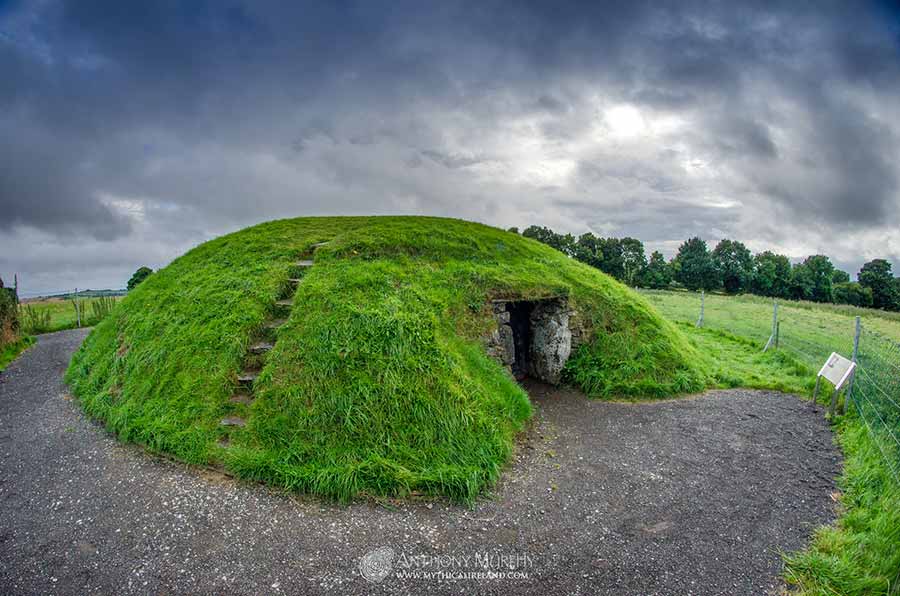
Ireland is renowned for its ancient passage tombs, monuments like Newgrange and Knowth drawing thousands of visitors each year. However, tucked away in the quiet countryside of County Meath lies a lesser-known treasure: the Fourknocks Passage Tomb. While it may not have the fame of its neighbors in the Boyne Valley, Fourknocks offers an equally fascinating glimpse into Ireland’s prehistoric past, and its intimate setting provides a uniquely personal connection to the lives of our ancient ancestors.
In this blog, we’ll uncover the history, mystery, and allure of Fourknocks Passage Tomb, exploring what makes it one of Ireland’s most intriguing yet underrated archaeological sites.
What is Fourknocks?
Fourknocks is a prehistoric passage tomb complex dating back over 5,000 years to Ireland’s Neolithic period. Its name is thought to derive from the Irish Fuair Cnocs, meaning “Cold Hills,” a nod to the surrounding undulating landscape. Unlike larger and more elaborate tombs such as Newgrange, Fourknocks has a more modest design but boasts a wealth of cultural and historical significance.
The site consists of a main passage tomb and at least three smaller satellite tombs, though these remain largely unexcavated. The main tomb, discovered in 1949, immediately captured the attention of archaeologists due to its unique architectural features and exquisite artwork.
Unique Features of Fourknocks
Fourknocks stands out among Ireland’s passage tombs for several reasons:
1. Spacious Chamber
Unlike other passage tombs, which typically feature long, narrow passages leading to small burial chambers, the main tomb at Fourknocks has a remarkably spacious central chamber. Measuring approximately 4 meters in diameter, it feels open and airy, with a domed corbelled roof that creates a striking sense of scale. This design is thought to reflect the tomb’s dual function as both a burial site and a ceremonial space.
2. Intricate Megalithic Art
Fourknocks is adorned with stunning examples of Neolithic art. The carved stones within the tomb feature intricate geometric patterns, including zigzags, chevrons, and lozenges. One particularly striking stone displays what appears to be a stylized human face—a rare and intriguing motif in Irish passage tomb art. These carvings offer a glimpse into the symbolic language and artistic sensibilities of the tomb’s creators.
3. Orientation and Light
The tomb’s passage is aligned to the southeast, and while it does not have the dramatic solstice alignments seen at Newgrange, its orientation likely held symbolic significance. Some researchers believe it may align with important seasonal events or celestial phenomena, reflecting the deep connection between Ireland’s Neolithic people and the natural world.
The Discovery and Excavation
Fourknocks was rediscovered in 1949 when a local farmer stumbled upon the site. Archaeologist P.J. Hartnett led the subsequent excavation, uncovering the tomb’s remarkable features and revealing a trove of artifacts, including pottery shards, bone fragments, and flint tools.
The excavations also uncovered evidence of cremated human remains, suggesting that the tomb was used for burial and ritual purposes over an extended period. These findings provide invaluable insights into the burial practices, spiritual beliefs, and daily lives of Ireland’s early inhabitants.
Mystery and Speculation
Like many ancient monuments, Fourknocks is shrouded in mystery. Who built it, and why? What do its carvings signify? While much remains unknown, archaeologists and historians have proposed several theories:
- A Place of Transition: Passage tombs like Fourknocks are often seen as liminal spaces, bridging the worlds of the living and the dead. The spacious chamber may have accommodated communal rituals, where the living gathered to honor their ancestors and seek guidance from the spiritual realm.
- Astronomical Connections: The alignment of Fourknocks suggests that its builders had a sophisticated understanding of celestial movements. The site may have served as a calendar, marking key agricultural or ceremonial dates.
- Symbolism in Art: The carvings at Fourknocks likely held deep symbolic meaning, perhaps representing cosmological beliefs, clan identities, or abstract concepts such as life, death, and rebirth.
Visiting Fourknocks Today
Unlike the highly regulated and often crowded experience of visiting Newgrange, Fourknocks offers a more intimate and tranquil encounter with Ireland’s ancient past. The tomb is managed by the Office of Public Works (OPW), and visitors can access it by collecting a key from a local caretaker—a charming touch that adds to the sense of discovery.
Stepping inside the chamber, you’ll feel a profound sense of connection to the people who built and used the tomb over five millennia ago. The silence and simplicity of the site allow for quiet reflection, making it a deeply personal and moving experience.
Why Fourknocks Deserves More Recognition
Fourknocks may lack the grandeur of its more famous counterparts, but its unique features and serene atmosphere make it a hidden gem worth exploring. It serves as a reminder that Ireland’s ancient heritage is not confined to the major tourist attractions but is woven into the fabric of its landscape.
Visiting Fourknocks offers a chance to step off the beaten path and connect with the quieter, more contemplative side of Ireland’s history. It’s a site that rewards curiosity, inviting you to ponder the mysteries of the past while standing in a place where time seems to stand still.
Discover More Hidden Treasures
The story of Fourknocks is just one of many fascinating chapters in Ireland’s ancient history. To uncover more hidden gems, explore Secret Ireland, your guide to the myths, legends, and monuments that make Ireland a land of wonder.
From ancient passage tombs to mysterious stone circles, Secret Ireland is your gateway to exploring the lesser-known sites that define Ireland’s rich cultural heritage. Step into the past and discover the stories that have shaped the Emerald Isle for millennia.
About the Author
