
Written by Secret Ireland Historian
Dolours Price (16 December 1950 – 23 January 2013) was one of the most notable figures in the history of the Provisional Irish Republican Army (IRA).
Coming from a deeply rooted republican family in Belfast, Northern Ireland, Price grew up immersed in stories of rebellion, resistance, and nationalism.
She dedicated much of her early life to the republican cause, becoming actively involved with the IRA in the early 1970s. Her commitment eventually led to her participation in the 1973 Old Bailey bombing in London, a high-profile event that landed her in prison for nearly a decade.
Later in life, Price would become a controversial and outspoken critic of the Irish peace process, Sinn Féin, and its leader Gerry Adams.
Her public statements, especially toward the end of her life, stirred intense debate within Irish political and historical circles. Her personal life was equally intriguing — she married renowned Irish actor Stephen Rea in 1983, though their marriage ended in divorce two decades later.
Dolours Price’s life story offers a fascinating lens through which to examine the turbulent years of the Troubles, as well as the complex legacy of Ireland’s journey toward peace.
Early Life and Family Background
Born on 16 December 1950 in Belfast, Dolours Price grew up in a fiercely republican household. Her father, Albert Price, was a dedicated Irish republican and former IRA member who had spent time behind bars for his political activities.
Her mother, Christina Dolan, was equally committed to the cause and a member of Cumann na mBan, the women’s auxiliary of the IRA.
The influence of activism ran deep in the family. Christina’s sister, Bridie Dolan, was severely injured in an IRA-related explosives accident, resulting in the loss of both her hands and her sight. After the accident, Bridie came to live with the Price family, leaving a lasting impression on Dolours and her sister Marian, who would also later become an IRA member.
Interestingly, despite the militant environment in which they were raised, the Price household was not particularly religious. Dolours’ first name, meaning “sorrows” in reference to the Virgin Mary’s sufferings, carried religious connotations, but the family’s real devotion lay more with the republican cause than with the church.
Education and Early Political Awakening
Dolours Price attended St Dominic’s Grammar School on Belfast’s Falls Road, an area known for its strong nationalist identity. Among her classmates was Mary Leneghan, who would later become Mary McAleese, the President of Ireland from 1997 to 2011.
Following her secondary education, Price trained to become a teacher at St Mary’s College in Belfast. However, the political turbulence of the late 1960s would soon divert her from a conventional career path.
Like many young people of her generation, Dolours found herself drawn to the civil rights movement, demanding equal rights for the Catholic minority in Northern Ireland.
One pivotal moment in her political awakening came during the Belfast to Derry civil rights march in January 1969. This march culminated in the infamous Burntollet Bridge ambush, where peaceful protesters were attacked by loyalists, with the support or negligence of the police.
The experience radicalized Price and many of her contemporaries, pushing them toward more militant forms of resistance.
Joining the IRA

By 1971, Dolours Price and her sister Marian had officially joined the newly formed Provisional IRA, which had split from the original Irish Republican Army amid disagreements over the use of violence and political strategy.
As committed volunteers, the Price sisters quickly rose through the ranks. They were involved in various operations aimed at forcing the British government to withdraw from Northern Ireland. Dolours, in particular, became known for her courage, commitment, and strategic thinking.
In 1973, the IRA leadership selected Dolours for one of its most ambitious operations: a bombing campaign in London intended to bring the war directly to the British mainland.
The Old Bailey Bombing and Imprisonment

On 8 March 1973, Dolours Price, along with her sister Marian and several other IRA volunteers, planted four car bombs around London, targeting high-profile government and judicial buildings. One of the bombs exploded outside the Old Bailey courthouse, injuring over 200 people, though miraculously, no one was killed.
The operation did not go as planned. The Price sisters and others were arrested almost immediately, and the subsequent trial drew massive media attention on both sides of the Irish Sea.
During the proceedings, Dolours and her comrades openly admitted their roles, presenting themselves as soldiers in a legitimate war against British occupation.
Dolours Price was sentenced to life imprisonment and incarcerated in HM Prison Brixton in London. While in prison, she and her sister embarked on a hunger strike demanding to be transferred to a prison in Northern Ireland. Their strike, during which they were subjected to force-feeding, lasted over 200 days and generated significant public sympathy, particularly within nationalist communities.
After serving around eight years, Dolours was eventually released on humanitarian grounds in 1981, largely due to the lasting physical damage caused by the force-feeding she endured.
Life After Prison
Following her release, Dolours Price returned to Belfast, where she remained a significant but divisive figure. In 1983, she married Stephen Rea, a highly respected Irish actor known internationally for his roles in films like The Crying Game. The couple had two sons but ultimately divorced in 2003.
Although she stepped away from direct involvement with the IRA, Price remained an ardent critic of political developments in Northern Ireland. In particular, she vocally opposed the Good Friday Agreement and the strategy adopted by Sinn Féin, which involved a shift from armed struggle to peaceful political participation.
Controversy and Criticism of Gerry Adams
Perhaps most controversially, Dolours Price became a fierce critic of Gerry Adams, the leader of Sinn Féin. She publicly accused Adams of being a senior figure in the IRA during the years of the armed campaign — a claim Adams consistently denied.
Price claimed that she had personally been ordered by Adams to participate in covert missions, including the kidnapping and disappearance of informers, most notably Jean McConville, a Belfast woman abducted and killed by the IRA in 1972. Price alleged that Adams authorized McConville’s execution, a claim that reignited painful debates within Northern Ireland about accountability, memory, and justice.
Her statements became even more significant during the so-called Boston College Tapes controversy, where interviews with former IRA members were subpoenaed by law enforcement agencies investigating Troubles-era crimes.
Final Years and Legacy
In her later years, Dolours Price struggled with addiction and mental health issues, problems exacerbated by the trauma she had endured during her time in prison. Despite these struggles, she remained fiercely articulate, giving interviews and participating in documentaries that offered her unique and uncompromising perspective on the Troubles.
Dolours Price passed away on 23 January 2013 at the age of 62. Her death was officially ruled as a result of a toxic mix of prescribed medications, though some close to her suggested that the cumulative toll of her life experiences had long weighed heavily on her.
Today, Dolours Price remains a deeply polarizing figure. To some, she is remembered as a courageous fighter who gave her youth and health for the cause of Irish freedom. To others, she symbolizes the tragic consequences of political violence and the heavy personal costs borne by those who engage in armed struggle.
Her life story is essential for anyone seeking to understand the complex and often painful history of Northern Ireland. Price’s experiences and reflections serve as a reminder that peace is hard-won, that truth is often contested, and that the shadows of the past continue to influence the present.
Dolores Price FAQ’s
Who is Marian Price married to?
Marian Price, often overshadowed by her sister Dolours, led a similarly tumultuous life. Although she maintained a relatively low profile after her release from prison, Marian Price was married to a fellow republican, Seamus McGivern. Their relationship reflected the shared convictions and struggles of those deeply embedded in the republican movement.
What is the movie about the Price Sisters IRA?
The lives of Dolours and Marian Price have inspired multiple narratives in film and literature. The most notable movie, I, Dolours, is a chilling documentary-style portrayal of Dolours Price’s experiences, featuring her recorded confessions about her IRA activities. The film unveils the Price sisters’ roles in the infamous 1973 Old Bailey bombing and their subsequent hunger strike for prisoner rights, making it an essential watch for anyone exploring the human cost of political violence.
Who are the Price Sisters in Say Nothing?
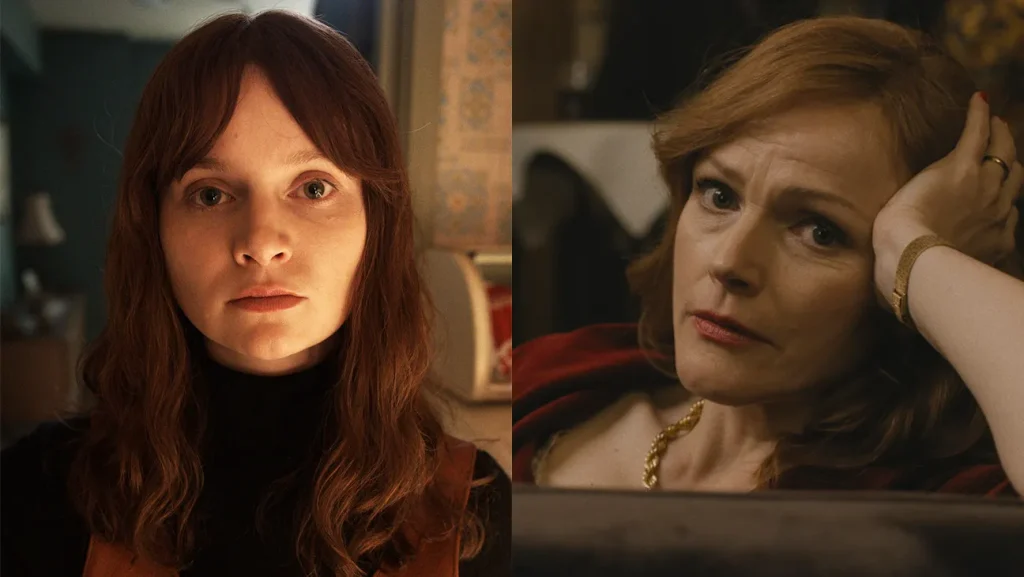
Patrick Radden Keefe’s Say Nothing chronicles the violent and shadowy world of the IRA, spotlighting Dolours and Marian Price as key players. The sisters represent a generation consumed by the Troubles, where family loyalty and political fervor collided in devastating ways. The book contextualizes their activism within a broader narrative of secrecy and betrayal in Northern Ireland.
Was Gerry Adams in the IRA?
Gerry Adams, the former president of Sinn Féin, has long denied being a member of the IRA, despite numerous allegations and testimonies to the contrary. Dolours Price claimed Adams was deeply involved in IRA operations, even implicating him in orchestrating Jean McConville’s disappearance, a charge Adams has consistently denied.
Who are the famous IRA sisters?
Dolours and Marian Price are among the most infamous sibling figures in IRA history. Their actions and unyielding commitment to the republican cause made them iconic—if polarizing—figures in the struggle for Irish unity. The sisters were unflinchingly loyal to their beliefs, even enduring force-feeding during a hunger strike in prison.
Why was Joe Lynskey disappeared?
Joe Lynskey, an IRA volunteer, was disappeared as part of a tragic and secretive chapter of IRA history. Dolours Price revealed that Lynskey was killed for breaching IRA codes of conduct, specifically involving an alleged affair and breaking trust within the organization. His death highlights the ruthlessness of internal IRA justice during the Troubles.
What is the new IRA movie on Netflix?
Netflix has recently premiered The Ghosts of Belfast, a gritty drama inspired by true events and the haunting aftermath of the Troubles. While not directly about Dolours or Marian Price, the film captures the harrowing realities of those involved in the IRA and the lingering scars of their actions.
Will there be a season 2 of Say Nothing?
As of now, there is no confirmed season 2 for a series adaptation of Say Nothing. However, given the success of the book and its potential for serialized storytelling, fans remain hopeful for further exploration of the tumultuous lives chronicled within.
Is Say Nothing based off a true story?
Yes, Say Nothing is meticulously researched and based on true events. The book sheds light on the lives of Dolours and Marian Price, among other key figures, providing a gripping narrative of the Troubles and the moral complexities of those involved.
Was Stephen Rea in the IRA?
Stephen Rea, the acclaimed Irish actor, was not involved in the IRA. However, his former wife, Dolours Price, was a prominent member. Rea has often remained private about their relationship, but his career frequently intersects with themes related to Irish history and identity, including films about the Troubles.
Are the Price Sisters twins?
No, Dolours and Marian Price were not twins. Dolours, the elder sister, often took the lead in their political endeavors, but Marian was equally committed to the republican cause. Their shared experiences of imprisonment and activism cemented their place in Irish history.
Exploring Dolours Price’s Legacy
Is Marian Price still alive?
As of today, Marian Price is still alive, although her health has been a matter of concern over the years. After her release from prison, she largely stepped away from public life, though her contributions to republicanism remain widely discussed.
Marian Price today
Marian Price today lives a life far removed from the chaos of her earlier years. Despite enduring imprisonment, hunger strikes, and personal loss, she remains a figure of resilience and determination.
Dolours Price cause of death
Dolours Price tragically died in 2013 due to an apparent overdose. Her death was met with both mourning and controversy, as she had struggled with post-traumatic stress and addiction stemming from her time in the IRA.
Albert Price IRA
Albert Price, the father of Dolours and Marian, was a committed republican who influenced his daughters’ path into the IRA. His activism during earlier struggles for Irish independence inspired their eventual involvement.
Dolours Price sons
Dolours Price had two sons, who have largely stayed out of the public eye. Her family life was deeply affected by her activism and the psychological toll it took.
Dolours Price aunt Bridie
Bridie Dolan, the aunt of Dolours and Marian, was another influential figure in their lives. She provided a strong sense of family solidarity that helped sustain them through their trials.
Dolours and Marian Price
The Price sisters shared a bond forged in the crucible of conflict. Their stories are intertwined, from their roles in the IRA to their imprisonment and eventual releases.
Dolours Price sister
Marian Price remains Dolours’ most famous sibling, both of them leaving an indelible mark on Ireland’s tumultuous history.
Dolores Price
Dolours Price and her sister Marian lived lives that were as inspiring as they were tragic. Their sacrifices, struggles, and unflinching commitment to their cause highlight the human complexities behind the political violence of the Troubles. While their actions may forever polarize opinions, their legacy endures as a testament to Ireland’s painful journey toward peace.
For more on Ireland’s history and culture, visit Secret Ireland.
A Legacy of Defiance: Dolours Price and the IRA
Dolours Price’s life was defined by rebellion, sacrifice, and tragedy. Her unwavering commitment to the republican cause came at great personal cost. From her early days as a revolutionary to her struggles with trauma in later life, Dolours’ story is emblematic of the toll the Troubles took on those who lived through them.
Dolours Price’s Early Life and Radicalization
Born in Belfast in 1951, Dolours was raised in a fiercely republican family. Her father, Albert Price, and aunt, Bridie Dolan, were staunch advocates for Irish independence, instilling in her a sense of duty to the republican cause. Alongside her younger sister, Marian, Dolours grew up steeped in stories of Irish resistance, a legacy that would shape their destinies.
Both sisters were part of a generation radicalized by the discrimination faced by Catholics in Northern Ireland. The civil rights movement of the 1960s, initially peaceful, descended into chaos as sectarian violence escalated, leading many, including the Price sisters, to join the Provisional IRA.
The Old Bailey Bombing: A Defining Moment
In 1973, Dolours and Marian Price were part of an IRA unit tasked with bombing the Old Bailey in London. The operation was designed to bring the conflict to the British mainland, forcing the UK government to confront the realities of the Troubles. While the bombings caused significant damage and injured over 200 people, they also marked the Price sisters as key figures in the IRA.
Captured and convicted, the sisters were sentenced to life imprisonment. Their time in prison became a battle of wills, as both went on hunger strike to demand repatriation to Northern Ireland. The British government’s response—force-feeding them—drew international condemnation and highlighted the brutal realities of the conflict.
Life After Prison: A Path of Struggles
The Price sisters were released in 1980, their sentences reduced due to ill health caused by their hunger strikes. While Marian sought to rebuild her life within the republican movement, Dolours struggled with post-traumatic stress, addiction, and the lingering psychological scars of her activism.
Dolours Price Cause of Death
In 2013, Dolours was found dead in her Dublin home from an apparent overdose. Her death was widely viewed as the culmination of years of unresolved trauma, a tragic end for a woman who had given everything to the republican cause.
Dolours Price’s Family: Personal Connections
Despite the turmoil of her political life, Dolours had moments of normalcy. She married the renowned actor Stephen Rea, with whom she had two sons. However, their marriage ended in divorce, reportedly due to the strain her activism placed on their relationship. Dolours’ sons have largely avoided the spotlight, preferring to live private lives far removed from the legacy of their mother.
Marian Price Today
Marian Price remains a quieter yet enduring figure in republican circles. Having faced imprisonment and legal battles well into her later years, Marian has largely withdrawn from public life. Her health, both mental and physical, has been a concern, but she continues to be a symbol of resilience for many republicans.
A Controversial Figure: Dolours Price’s Claims
One of the most explosive aspects of Dolours Price’s legacy is her accusations against Gerry Adams. In interviews and recorded confessions, she claimed Adams was a senior figure in the IRA, directly implicating him in operations such as the abduction and murder of Jean McConville. Adams has consistently denied these claims, but Dolours’ allegations have cast a long shadow over his political career.
The Price Sisters and Their Place in History
The Price sisters’ activism and sacrifices have ensured their place in the history of the Troubles. Their courage and conviction were matched by their willingness to endure immense personal suffering for their beliefs. Yet, their legacy is deeply polarizing, reflecting the broader divisions in Irish society over the conflict.
Dolours Price Aunt Bridie
Bridie Dolan, a significant influence on Dolours and Marian, played a maternal role in their lives. Bridie’s support and guidance were instrumental in shaping their dedication to the republican cause.
Dolours Price Sister
Marian Price remains the surviving half of this iconic duo. Their bond, forged in shared ideology and struggle, remains one of the most enduring symbols of their fight.
Exploring Ireland’s Revolutionary Past
Dolours and Marian Price’s story is but one chapter in Ireland’s long and complicated history. Theirs is a tale of idealism, sacrifice, and the human cost of political violence. It serves as a reminder of the courage and conviction of those who fought for what they believed to be right, even when the consequences were devastating.
For more insights into Ireland’s history, culture, and haunting stories of resilience, visit Secret Ireland. The legacy of figures like Dolours and Marian Price continues to shape the narrative of Ireland’s past and its ongoing journey toward peace.
About the Author
