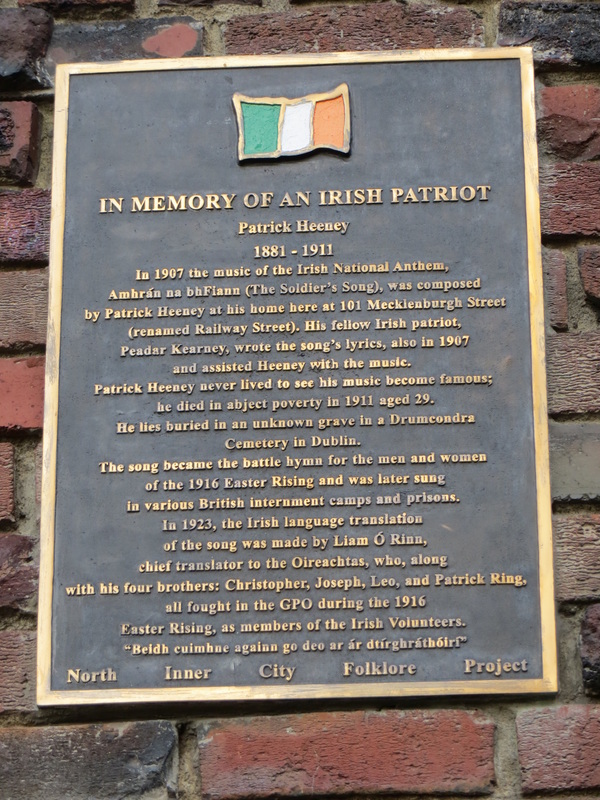
In a world where national anthems are more than just music—they are declarations of identity, pride, and resilience—Ireland’s national anthem, Amhrán na bhFiann, stands as both a cultural heartbeat and a political statement. But what language is the Irish national anthem of Ireland actually in? Why does it evoke such emotion? And what are the tensions and questions around it today, including talk of a “New Irish national anthem”?
Let’s dive into the story, meaning, and ongoing conversations about Amhrán na bhFiann, from the language it’s sung in to the way it’s pronounced, remembered, and even questioned.
🟢 What language is the Irish national anthem in?
The Irish national anthem—Amhrán na bhFiann—is sung in the Irish language, also known as Irish Gaelic, or simply Gaeilge. Though originally written in English as “The Soldier’s Song”, it is the Irish version that was adopted officially in 1926, reflecting Ireland’s cultural revival and desire to assert its identity following independence from Britain.
🟡 What language is the national anthem in?
In Ireland’s case, the national anthem is in Irish, even though English is more widely spoken across the island. The choice of Irish over English was deeply symbolic, reflecting the nation’s efforts to revive a language that had been nearly extinguished during centuries of colonization.
🔤 How do you pronounce Amhrán na bhFiann?
It’s not as intimidating as it looks! Here’s a phonetic guide:
Amhrán na bhFiann = Ow-rawn nah Vee-unn
-
Amhrán = song
-
na bhFiann = of the warriors
Together, it translates to “The Soldier’s Song.” If you’re curious about the full Irish national anthem lyrics in English, you can read them (and even download a PDF version) at Secret Ireland – Irish National Anthem Lyrics in English.
🌍 Whose national anthem is in 5 languages?
That would be South Africa, which proudly sings its national anthem in five of the country’s eleven official languages: Xhosa, Zulu, Sesotho, Afrikaans, and English. It’s a true multicultural anthem—much like Ireland’s attempts to recognize both Irish and English in its identity.
🤐 Why don’t Ireland sing the national anthem?
Ireland does sing the anthem—but not always and not without controversy.
At international sporting events, particularly in Northern Ireland, Amhrán na bhFiann is often omitted or replaced. This is due to its association with Irish nationalism, which can be divisive in a region with a significant unionist population. That’s why the Irish rugby team, for example, uses a more neutral anthem—“Ireland’s Call”—to represent the entire island.
There have even been discussions about creating a New Irish national anthem to be more inclusive and less politically charged.
🖋 What are the five languages in the national anthem?
To clarify: Ireland’s national anthem is not in five languages. This FAQ likely refers to South Africa.
The Irish anthem exists in two main forms:
-
The original English version (The Soldier’s Song)
-
The official Irish translation (Amhrán na bhFiann), which is the one typically sung.
For a full version of the Irish national anthem lyrics in Irish, as well as the Irish national anthem lyrics in English, check out this rich and accessible Secret Ireland resource.
🏞 Is Gaelic the national Irish language?
Yes, but let’s clear this up: “Gaelic” is a broader term that includes Scottish Gaelic and Manx Gaelic. The correct term for Ireland’s native language is Irish, or Gaeilge.
It is the first official language of the Republic of Ireland, even though English is the language used in most daily life.
So, what language is the Irish national anthem lyrics written in?
They are officially in Irish, though originally composed in English—a beautiful paradox in a post-colonial nation finding its voice.
🇪🇺 Which language is the EU Anthem?
The European Union’s anthem is instrumental—it has no official lyrics. It’s based on Beethoven’s Ode to Joy and is intended to transcend language and promote unity among the EU’s many member states. That’s quite the contrast to Amhrán na bhFiann, where language is everything.
🛡 What is the meaning of bearna baoil?
In the opening lines of Amhrán na bhFiann, you’ll hear the phrase “Seo libh canaídh amhrán na bhFiann / Fuar bug i gcoinnibh bearna baoil…”
Bearna baoil literally means “gap of danger.”
It refers to the perilous moment in battle—the breach, the front line, the place where heroes stand.
🏴 Is the Scottish anthem in Gaelic?
Scotland doesn’t have an official national anthem, but “Flower of Scotland” is most commonly used at events. While the song is in English, there are Gaelic translations, and some Scottish artists perform it in Scottish Gaelic, especially in cultural and educational settings.
🎵 Microdisney and the Irish National Anthem Lyrics
Interestingly, Microdisney, the cult Irish band, named one of their final reunion shows “The Irish National Anthem.” It was a cheeky nod to both Irish culture and political commentary. They weren’t referring to the anthem’s actual lyrics, but the title was a clever provocation in its own right.
📥 Want the Irish National Anthem Lyrics in English (PDF)?
If you’re learning the anthem, teaching a class, or just intrigued by Ireland’s lyrical heart, you can get the Irish national anthem lyrics in English PDF at Secret Ireland’s anthem breakdown. It includes not just the lyrics, but also historical insight and cultural reflections.
Final Thoughts: A Language That Sings of Who We Are
So, what language is the Irish national anthem of Ireland? It is in Irish—the language of survival, of rebellion, of poetry, and of pride.
And yet, its roots lie in English. Its future may involve new anthems, neutral songs, or even bilingual renditions. But for now, Amhrán na bhFiann remains a cornerstone of Ireland’s cultural identity, sung before matches, whispered in classrooms, and debated in parliaments.
And isn’t that the power of a national anthem—not just to unify, but to stir thought, question history, and remind us who we are?
Explore more here: Irish National Anthem Lyrics in English – A Song of Unity and History
Download the lyrics, learn the meaning, and feel the heartbeat of Ireland—one verse at a time.
About the Author
