There’s a haunting romance to the stories of the Irish mafia, a web of criminal enterprises where loyalty and treachery walk hand in hand. Unlike the sprawling empires of their Italian counterparts, the Irish mob has often operated in the shadows, its players bound not just by money or power, but by something far more unbreakable—family ties.
This is not just a tale of crime. It’s a tale of survival, of how marginalized communities built kingdoms from nothing, using their fists, their wits, and sometimes their guns. It’s a story where the line between hero and villain blurs, and loyalty is both currency and curse.
A Legacy Born in the Shadows
The Irish mafia traces its roots to the immigrant experience. In the late 19th and early 20th centuries, waves of Irish immigrants landed in America’s ports, fleeing famine and poverty, but they found themselves shoved into ghettos and left to scrape by however they could.
Organized crime wasn’t just a way to make a living—it was a form of rebellion against a system that seemed rigged against them. From the streets of Boston to the neighborhoods of Hell’s Kitchen in New York, Irish gangs formed tight-knit communities that were as much about protecting their own as they were about breaking the law.
The Power of Family
The Irish mob isn’t just an organization—it’s a family affair. Brothers, cousins, uncles, and nephews often worked side by side, bound by blood and an unshakable sense of loyalty. This family structure made the Irish mafia resilient, but it also meant that betrayal was a dagger that cut deeper than most.
The Family-Affiliated Clans
1. The Winter Hill Gang (Boston)
No discussion of the Irish mob is complete without mentioning the Winter Hill Gang, a notorious criminal enterprise based in Boston. With James “Whitey” Bulger at its helm, the gang controlled everything from loan sharking to drug trafficking, all while navigating an uneasy relationship with law enforcement.
Bulger’s rise and fall is the stuff of legend—an Irish-American anti-hero whose story swings from ruthless violence to cunning manipulation. His legacy looms large, a chilling reminder of what happens when family loyalty is corrupted by power.
2. The Westies (Hell’s Kitchen, New York)
In the gritty streets of Hell’s Kitchen, the Westies reigned supreme. Known for their brutality, this gang was as much a family as a criminal empire. Led by Jimmy Coonan and later partnered with the Gambino crime family, the Westies exemplified the Irish mafia’s penchant for blending loyalty with viciousness.
3. Chicago’s Irish Syndicate
While often overshadowed by Al Capone’s Italian mafia, Chicago’s Irish syndicates had their own brand of influence. Families like the O’Banions carved out territory and proved that the Irish mob could hold its own in America’s most notorious city for organized crime.
Myth and Reality: Romanticizing the Irish Mafia
The Irish mafia has long been romanticized in films, literature, and popular culture. From “The Departed” to “State of Grace”, Hollywood often paints these gangsters as complex anti-heroes—violent, yes, but bound by a code of honor.
But the reality is far grittier. Beneath the loyalty and camaraderie lies a world of betrayal, bloodshed, and broken families. For every story of brothers standing together, there’s another of cousins turning on each other for a slice of power.
What Sets the Irish Mafia Apart?
1. Family First
The familial structure of the Irish mob creates a loyalty that’s difficult to penetrate. Deals are often made over kitchen tables, and trust is measured by bloodlines.
2. Survival Over Luxury
Unlike their Italian counterparts, the Irish mafia often operated with a blue-collar ethic. It wasn’t about flashy suits or sprawling estates—it was about survival and securing a future for the next generation.
3. Adaptability
From prohibition-era bootlegging to modern-day drug trafficking, the Irish mafia has shown an uncanny ability to adapt to the times.
The Irish Mafia Today
The heyday of the Irish mafia may be behind us, but its influence lingers in whispers and legends. Organized crime has evolved, with many family-affiliated clans now branching into more subtle, less visible enterprises.
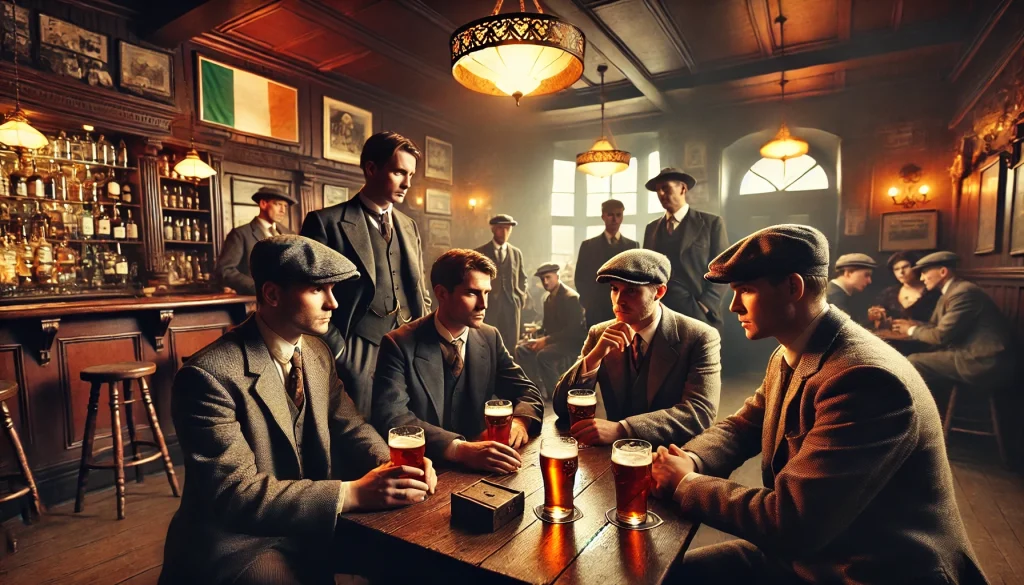
But in the pubs of Boston, the backstreets of New York, and the neighborhoods where Irish immigrants once struggled to survive, you can still feel the echoes of the past. The Irish mafia wasn’t just about crime—it was about identity, family, and a fierce will to endure.
Final Thoughts
The family-affiliated Irish mafia is more than a criminal enterprise—it’s a chapter in the story of Irish resilience. It’s a world where blood ties are both armor and chains, where loyalty can be the key to survival or the cause of your downfall.
And while the streets may no longer run red with their battles, their stories remain etched in the history of Ireland’s diaspora, a testament to the complexities of family, power, and the human spirit.
Sláinte to the survivors, the legends, and the truths we may never fully uncover.
About the Author
