From the Aviva to Rhode Island: The Evolution of an Irish Rugby Icon
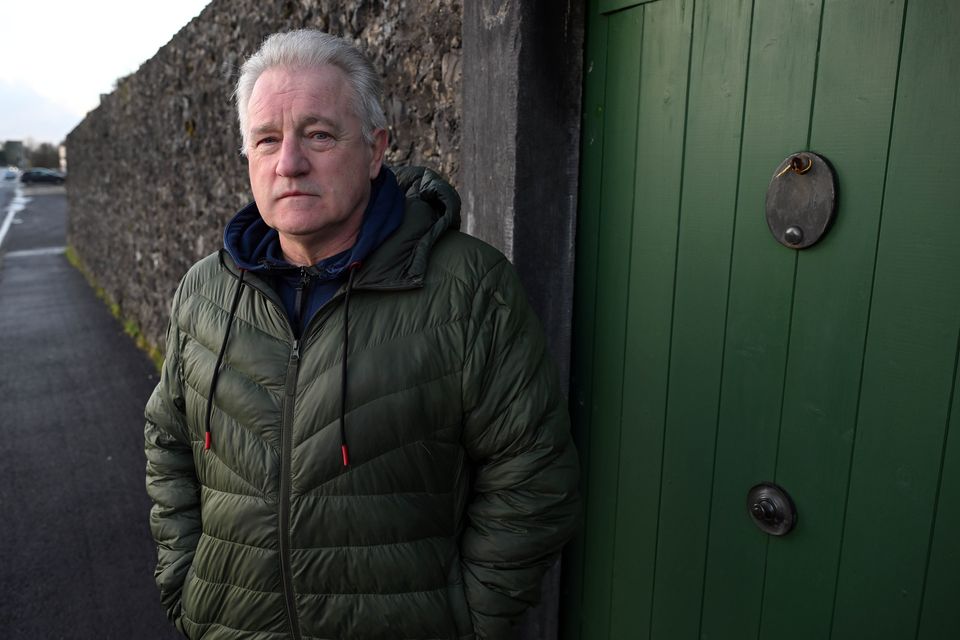
It has been nearly two decades since Eddie O’Sullivan held the reins as the Ireland head coach, a period that transformed Irish rugby from perennial underdogs into a Northern Hemisphere powerhouse. In a recent in-depth Eddie O’Sullivan Irish Independent feature, the Galway native sat down to reflect on a career defined by tactical innovation, high-stakes pressure, and the eventual realization that success often comes at a personal cost.
Today, O’Sullivan splits his time between the rugged coast of Galway and the Ivy League prestige of Brown University in Providence, Rhode Island. Serving as a technical advisor for the men’s rugby squad, he has traded the white-hot intensity of the Six Nations for the developmental focus of American collegiate rugby. However, even in the relatively quiet confines of Providence, the world’s harsh realities recently struck close to home.
A Horror Scene in Providence: The Rhode Island Reality
While at home in Galway last month, O’Sullivan’s phone began buzzing with alerts about an active shooter situation at Brown University. Usually, he would have been on campus, but his team’s early exit from the national championships meant he had returned to Ireland for the winter break. The tragedy, which saw two students fatally shot, occurred just minutes from his office.
O’Sullivan reflects on the jarring contrast between Irish safety and the pervasive gun culture in the United States. “There is a gun culture in America; it’s a fact of life,” he noted. This awareness has fundamentally changed how he interacts with the world in the States—from simple driving etiquette to the constant, underlying knowledge that the person next to you in a restaurant might be armed.
Paving the Way: The Golden Era of the Noughties
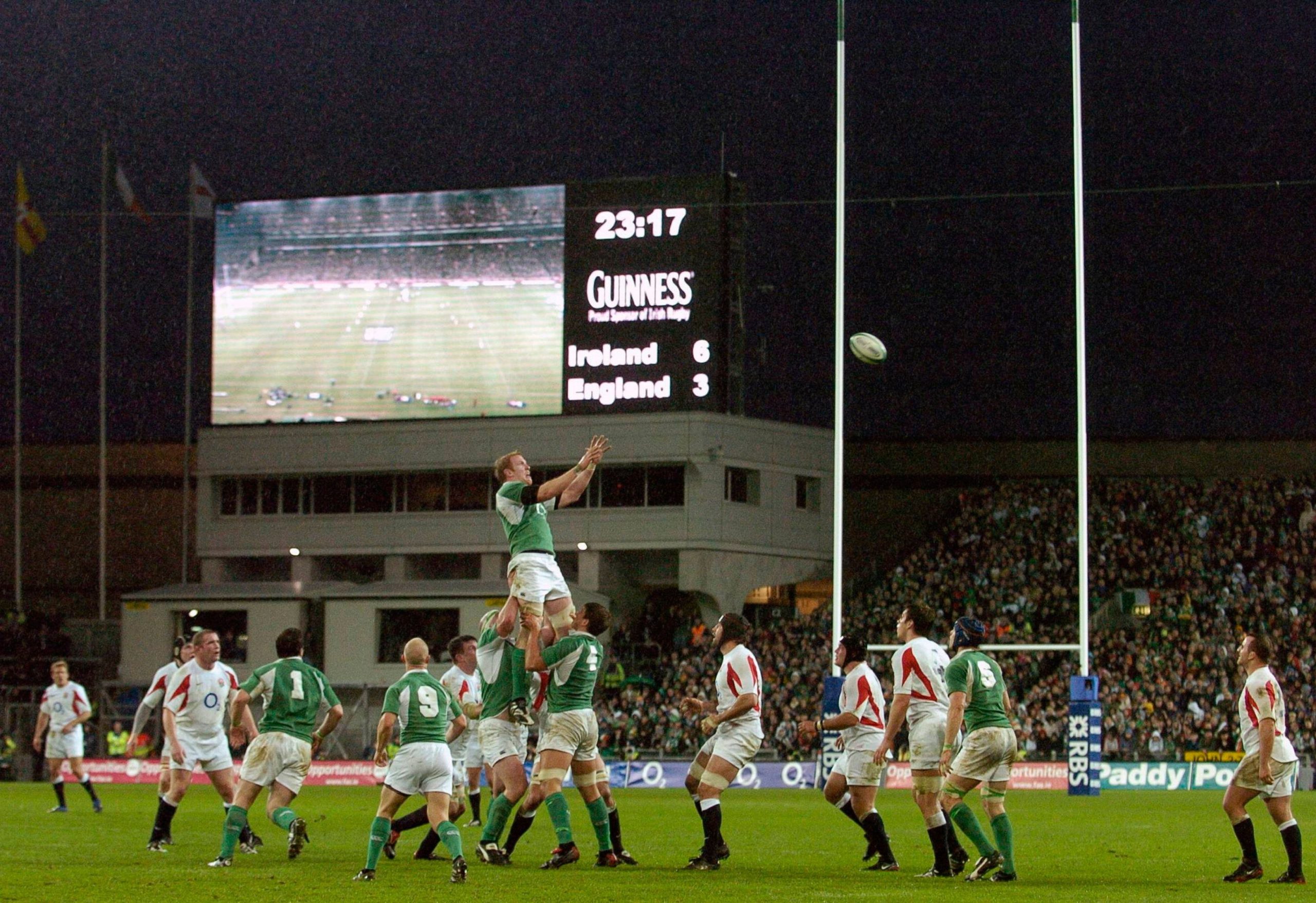
For many fans, the Eddie O’Sullivan era represents the popularization of rugby in Ireland. Taking over in 2001, O’Sullivan oversaw a “golden generation” that included legends like Brian O’Driscoll, Paul O’Connell, and Ronan O’Gara. His tenure was marked by statistical dominance that laid the groundwork for future Grand Slams.
Key Achievements of the O’Sullivan Tenure:
- Triple Crown Success: Secured Ireland’s first Triple Crown in nearly 20 years in 2004, followed by two more in 2006 and 2007.
- Croke Park Historic Victory: Masterminded the emotional 43-13 demolition of England at Croke Park in 2007.
- World Rankings: Elevated Ireland to a peak of 3rd in the IRB world rankings.
- Dominance Over England: Achieved four consecutive wins against the reigning 2003 World Cup champions.
Despite these highs, O’Sullivan admits a lingering regret: the inability to “smell the roses.” The relentless pursuit of the next victory meant that even the greatest triumphs were often greeted with more relief than joy. “If I had it back, I’d say maybe I should have stopped the odd time and enjoyed it,” he tells the Irish Independent.
The 2007 World Cup and the ‘Bust’ of the Celtic Tiger
The 2007 Rugby World Cup in France remains a polarizing chapter in Irish sporting history. Entering the tournament with colossal expectations, the team struggled in the pool stages and ultimately failed to progress. O’Sullivan compares coaching to a high-jump competition: you keep raising the bar until you eventually knock it down.
The fallout was visceral. A famous pitchside interview with Sinéad Kissane saw O’Sullivan asked point-blank about his future. While the moment was tense, O’Sullivan maintains a professional outlook on the media’s role. “They’re there to challenge you. As long as it’s not personal, that’s the gig,” he explains.
Conflict Resolution and The Art of the Soda Bread
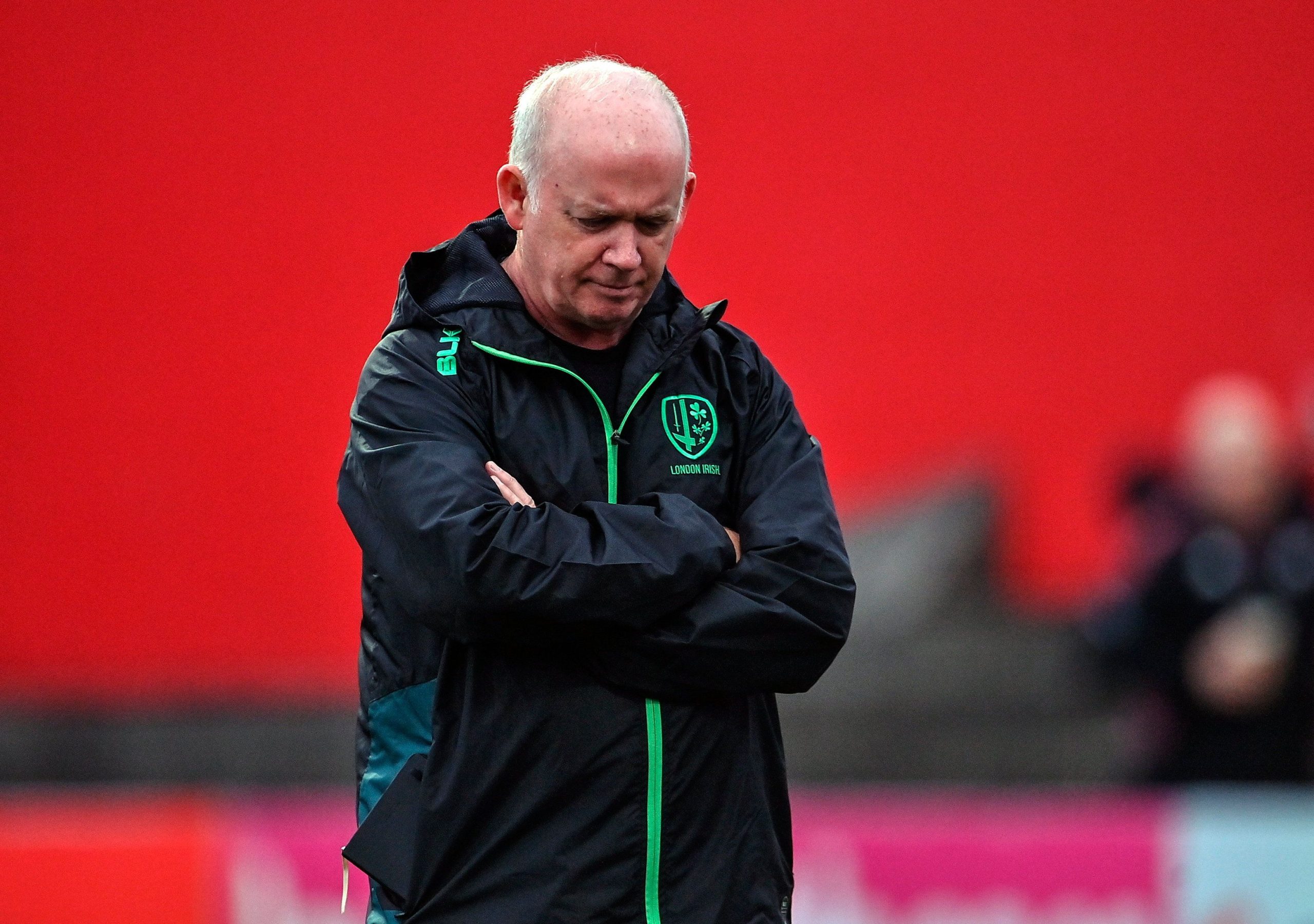
Post-Ireland, O’Sullivan didn’t just fade away; he evolved. He returned to academia, attending Trinity College and Harvard to become a qualified mediator. His fascination with conflict resolution stems from the hardest part of coaching: dropping players and delivering bad news. This new skill set allows him to view his past disagreements through a more analytical lens.
In a surprising twist, O’Sullivan has also become an Amazon-published author—not for a tactical playbook, but for “The Irish Soda Bread Bible.” Baking became his “therapy,” a way to switch off from the tactical grind. It’s a hobby passed down from his mother, Rena, and serves as his creative outlet between rugby seasons.
Innovation vs. Homogenization: Views on Andy Farrell’s Ireland
Looking at the modern game, O’Sullivan expresses frustration with what he calls the “homogenized” nature of international rugby. He believes most teams now follow the same rigid patterns, leaving little room for the tactical innovation he was famous for. Brian O’Driscoll once complimented O’Sullivan by stating he was the first coach to have a completely different game plan for every opponent.
While he watches Andy Farrell’s current squad with interest, he does so from a distance. He avoids being a “pothole” for his successors, offering a brief handshake to Farrell at an airport rather than unsolicited advice. He recognizes that the bar he raised has been pushed even higher by the likes of Declan Kidney, Joe Schmidt, and now Farrell.
Overall: The Legacy of a Tactical Pioneer
As Eddie O’Sullivan approaches his 68th birthday, he is acutely aware of his family’s history with heart health, motivating him to stay fit and undergo annual “MOTs.” He remains a man of sharp wit and colorful descriptions—a trait he credits to his father, Paddy.
Ultimately, the Eddie O’Sullivan Irish Independent interview reveals a man at peace with his past. He may not have won the Grand Slam, but he built the engine that eventually drove Ireland to one. Whether he is analyzing a defensive line in Rhode Island or baking a loaf of soda bread in Galway, O’Sullivan remains one of the most intellectually curious minds ever to grace the Irish touchline.
About the Author
