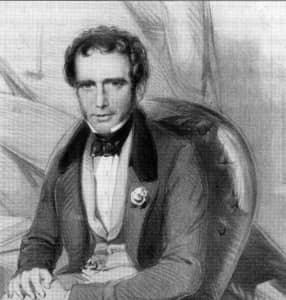
DUBLINTIMEMACHINE: Today in 1847, 2nd November, Major Denis Mahon, a landlord with a vast 6,000-acre estate in Strokestown, County Roscommon, was assassinated.
His murder marked a grim peak of the Great Famine’s horror. Thousands of families were ruthlessly evicted.
Mahon, who had inherited the estate, planned to “improve” his property by sending his powerless tenants to Canada at his expense. Most, clinging to their homeland, refused, prompting the merciless Mahon to evict over 3,000 men, women, and children—including 84 widows.
The eviction proved as brutal as the famine itself. Within the year, most of the displaced perished on the roads or in workhouses. Even those who left for Canada faced grim odds. 268 of them died during the passage.
Mahon’s killing sent shockwaves through Britain, drawing the attention of the House of Lords, where Lord Clarendon blamed local priest Michael McDermott for stoking violence. Fearing a broader revolt, Clarendon cautioned Prime Minister John Russell about an impending “servile war against all landlords and English rule.”
Yet Russell, in turn, condemned Mahon’s evictions, drawing a stark contrast with British landlords: “In England, no landlord would be shot like a hare or partridge, but neither would one throw fifty families out at once, burning their homes and offering no future provisions.”
McDermott denied involvement, but the community faced swift repercussions. By February 1848, every family in Doorty, where Mahon had been killed, had been evicted. Three suspects were arrested, and one named James Hasty was executed, railing against “the accursed system of Molly Maguireism,” the secret society blamed for the initial Mahon assassination.
About the Author
