As a child on a school trip to a stately home, I stood among manicured gardens and felt an inexplicable unease. The neatly clipped trees and regimented rows of flowers seemed out of place, severed from their natural essence to conform to formal designs. Though not an empath, I sensed a silent cry from the plants, as if they longed for their authentic habitat.
Years later, reading Sand Talk by Tyson Yunkaporta, those feelings resurfaced as I reflected on Irish mythology and our native relationship with the land—both its visible and invisible life. Much like those constrained plants, our archetypal stories and indigenous wisdom have been caged by rigid language and cultural frameworks, limiting their living power.
The Cage of Words
In Tyson Yunkaporta’s Aboriginal tradition, a bad metaphor is a curse. Similarly, the language we use to describe Irish mythology often restricts its essence. Our stories, once fluid pathways of mind-medicine and wisdom, have been altered by the act of preservation, much like ships tied to harbor walls, unable to sail.
Stories are meant to breathe, to live through their inner essence, not to be confined by rigid rules or “correct” linguistic structures. Yet, cultural norms, shaped by detached academia, have filled gaps in understanding with static interpretations, building walls that strand our wisdom outside lived experience.
Stories as Museum Pieces
Our myths and fairy-lore have become museum pieces, treated as relics to mimic a single moment in time rather than evolving with the people who once sang them to life. The dynamic interplay between story and teller, tradition and society, has been distorted into a backward glance rather than a living dialogue.
Many claim that writing down our stories ensured their survival. Yet, global indigenous cultures demonstrate that oral traditions can thrive without being “freeze-dried” into rigid structures. As Yunkaporta notes:
“Most of the knowledge that gets through this process is reduced to basic content, artifacts, resources, and data, divided into foreign categories to be stored and plundered as needed. Our knowledge is only valued if it is fossilized, while our evolving customs and thought patterns are viewed with distaste and skepticism.”
— Tyson Yunkaporta, Sand Talk
The Myth of Cyclical Time
In The Dawn of Everything, David Graeber and David Wengrow challenge the notion that indigenous societies, like Ireland’s, lived in cyclical time, innocent of history. Anthropologist Mircea Eliade argued that traditional societies merged historical events into archetypes, but this view risks oversimplifying their complexity, reducing living traditions to static snapshots.
Irish mythology, like a patient with Locked-In Syndrome, remains aware but paralyzed, unable to communicate its full wisdom. Constrained by definitions, it often appears as a facsimile of itself, disconnected from the ongoing reinterpretation needed for contemporary relevance.
The Power of Speaking Back
Our stories thrive when we engage with them, speaking back to access their collective wisdom. This dialogue allows the wisdom to respond, keeping it alive and relevant. By contrast, treating stories as fossilized artifacts strips them of their purpose—to move, evolve, and connect us to the land and its spirits.
Today’s reliance on written records and external sources, like Google, fosters distrust in oral memory. Yet, oral traditions worldwide prove that stories can live without being tethered to paper, growing alongside the people who carry them.
Reclaiming Living Wisdom
Irish paganism is not a relic to be studied but a living tradition to be spoken and sung. By freeing our stories from academic cages and static interpretations, we can restore their role as guides through the seas of human experience, much like ships meant to sail.
For more on Ireland’s vibrant mythological heritage, visit Secret Ireland.
Author: David Halpin
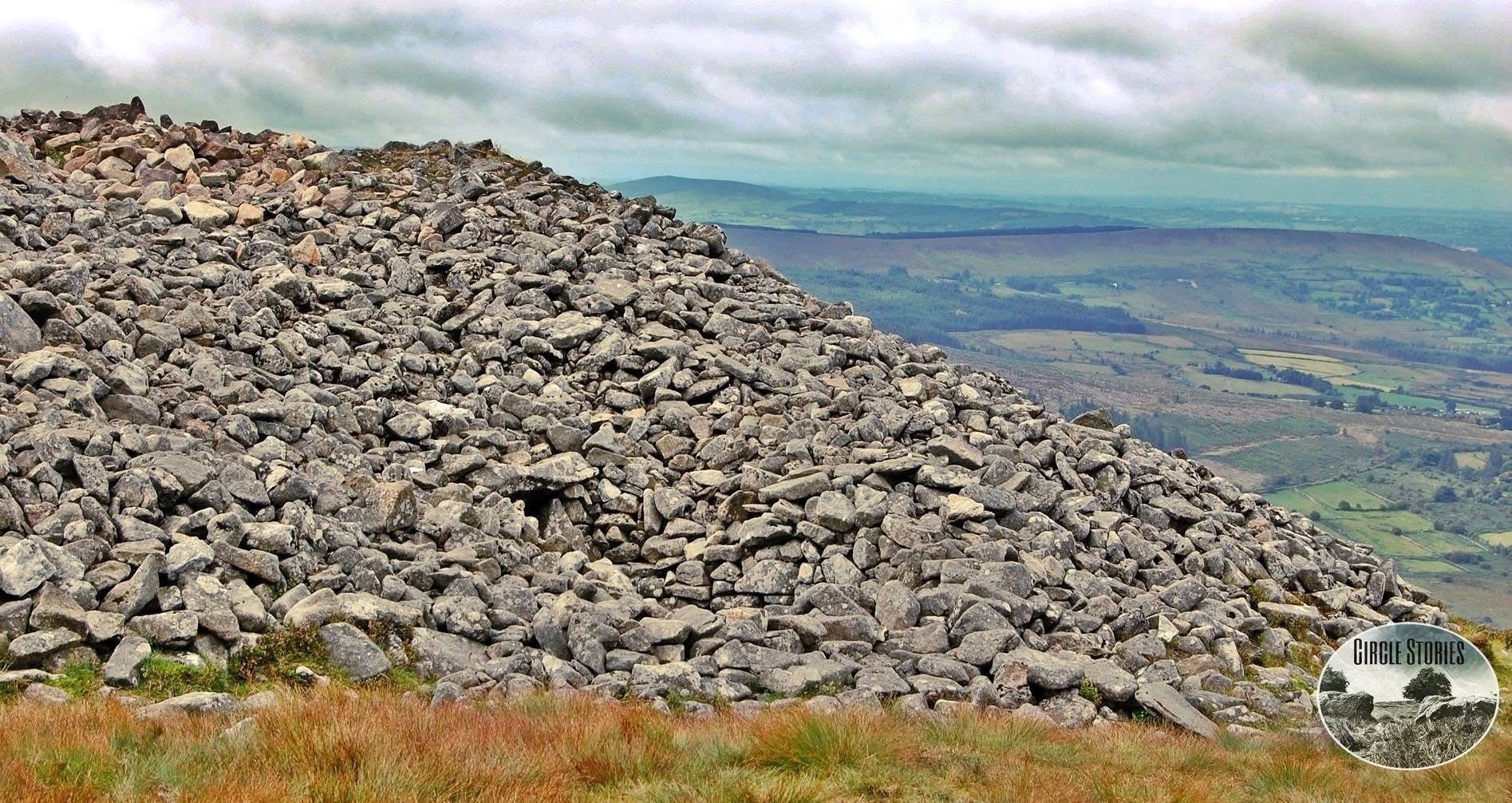
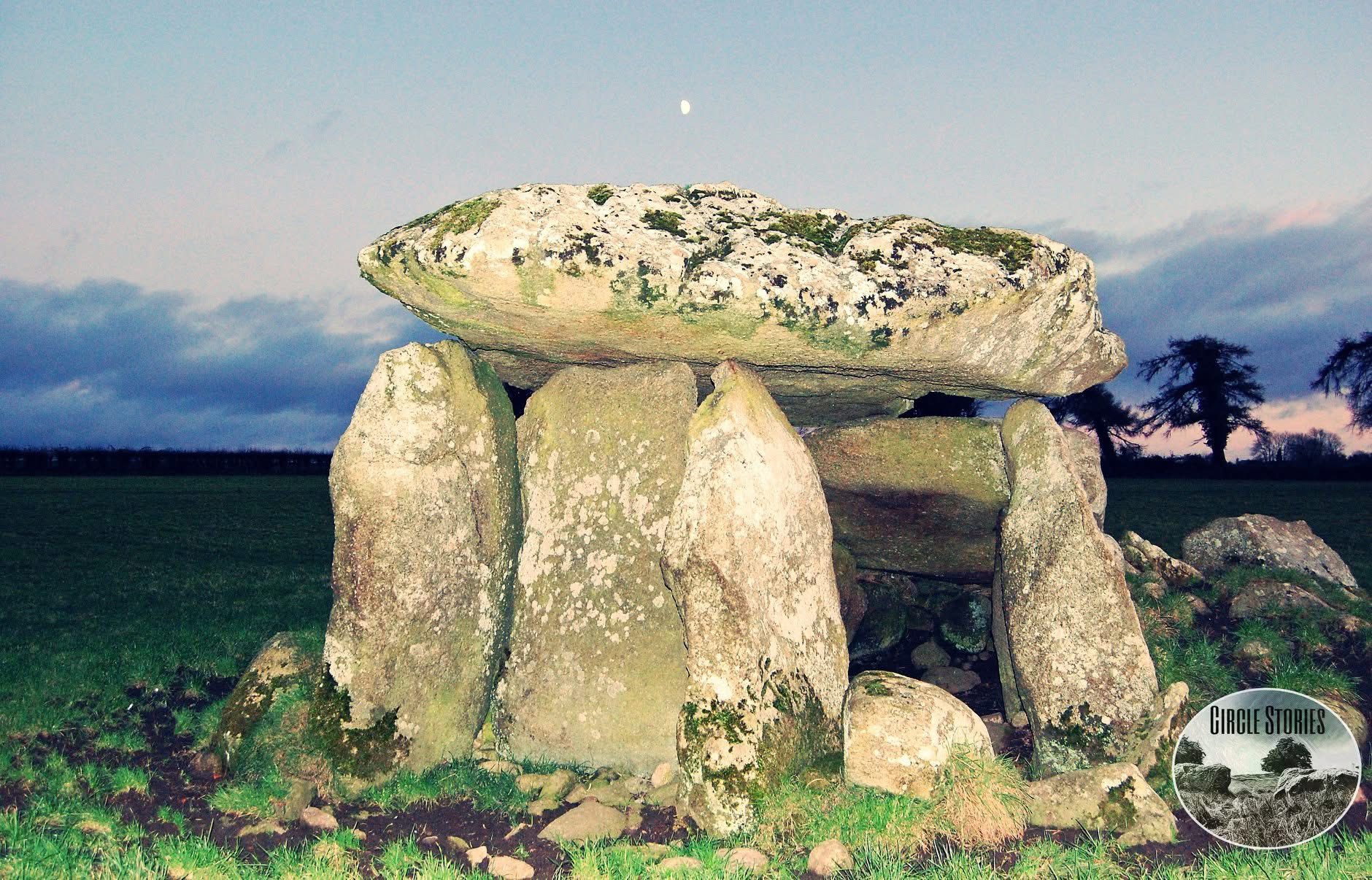
Images: A selection of photos of ancient sites and mountains by David Halpin
About the Author
