
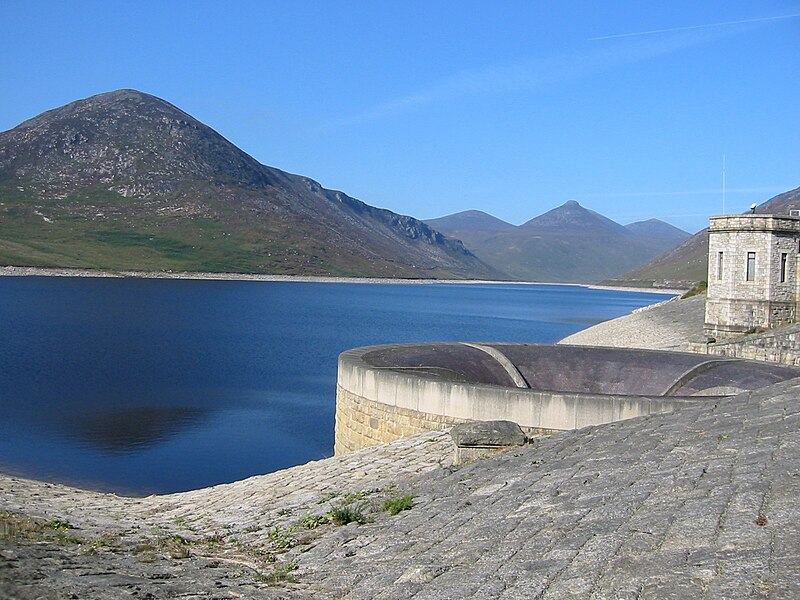
There are places in Ireland where nature whispers, where silence isn’t just the absence of noise but a presence in itself. Silent Valley, nestled deep within the Mourne Mountains, is one of those places.
It’s not just a destination; it’s a sanctuary, a place where water, stone, and sky come together in perfect stillness.
Originally built to supply water to Belfast, Silent Valley has become much more than a reservoir—it’s a place of reflection, history, and natural beauty. Whether you’re looking for a peaceful walk, a photography escape, or a gateway to Mourne hiking trails, Silent Valley is a must-visit location.
Where is the Silent Valley in Northern Ireland?
Silent Valley is located in County Down, within the Mourne Mountains, approximately:
- 1 hour 30 minutes from Belfast.
- 2 hours from Dublin.
- 25 minutes from Newcastle, Northern Ireland.
For the best route to Silent Valley, check Silent Valley directions or use GPS navigation with “Silent Valley Mountain Park” as your destination.
Silent Valley Walk: An Overview
Silent Valley offers some of the most scenic and tranquil walks in Northern Ireland, ranging from gentle lakeside strolls to challenging mountain hikes.
Key Highlights of the Walk:
- Distance: 4-10 km (depending on route).
- Time Required: 1-3 hours.
- Difficulty: Easy to Moderate.
- Best Starting Point: Silent Valley Car Park.
For those looking to explore the Mournes without the extreme climbs of Slieve Donard or Slieve Binnian, Silent Valley provides an accessible way to immerse yourself in the landscape.
Silent Valley Map & Trail Options
1. Silent Valley Reservoir Walk (Easiest Route)
- Start: Silent Valley Visitor Centre.
- Path: Circular loop around the reservoir.
- Duration: 1-2 hours.
- Difficulty: Easy.
Perfect for families, this flat, well-paved trail offers stunning water views, Mourne peaks in the distance, and plenty of Silent Valley photo opportunities.
2. Silent Valley to Ben Crom Reservoir (Longer Walk)
- Start: Silent Valley Car Park.
- Path: Follow the Mourne Wall path to Ben Crom Reservoir.
- Duration: 3-4 hours.
- Difficulty: Moderate.
This route offers a dramatic shift in scenery, moving from the calm reservoir to the rugged cliffs surrounding Ben Crom.
Want a challenge? Consider extending your hike to Slieve Lamagan or Slieve Binnian.
For navigation, carry a Silent Valley map or use GPS hiking apps like AllTrails.
Silent Valley Opening Times & Entry Fees
Before visiting, check Silent Valley opening times, as seasonal hours may apply.
Opening Hours:
- March – September: 10:00 AM – 6:30 PM.
- October – February: 10:00 AM – 4:00 PM.
Entrance Fees:
- Adults: £5.00 per vehicle.
- Concessions: £4.00.
- Cyclists & Walkers: Free entry.
Is Silent Valley worth a visit? Absolutely—its scenic beauty, peaceful atmosphere, and access to Mourne trails make it a must-see destination.
Why is Silent Valley Famous?
Silent Valley is famous for its stunning reservoir, built between 1923 and 1933 to supply clean drinking water to Belfast and surrounding areas. The valley’s isolation and surrounding Mourne peaks make it a breathtaking natural escape.
Famous Features:
- Silent Valley Dam – A stunning engineering feat set against wild mountain landscapes.
- Mourne Wall – The historic 22-mile stone wall crosses Silent Valley.
- Ben Crom Reservoir – A hidden gem within Silent Valley.
Silent Valley is not just about water; it’s about wilderness, history, and breathtaking scenery.
Why is Silent Valley Closed Sometimes?
Silent Valley occasionally closes due to maintenance, extreme weather, or special conservation efforts.
Common Reasons for Closure:
- Severe flooding or drought conditions affecting water supply.
- High winds and dangerous weather conditions in the Mournes.
- Conservation projects to protect wildlife habitats.
Before visiting, check Silent Valley opening times to ensure the park is open.
What is the Silent Valley Controversy?
The Silent Valley Controversy refers to the forced displacement of local residents during the 1920s to build the reservoir. Entire communities were relocated to make way for the dam, leading to public outrage at the time.
Although today Silent Valley is seen as a triumph of engineering, its history is marked by tension between progress and the loss of traditional mountain communities.
Is There Toilets at Silent Valley?
Yes, there are toilet facilities at Silent Valley, located near the Visitor Centre and main car park.
Final Thoughts: Why Silent Valley is a Must-Visit
Silent Valley is more than a reservoir—it’s a place where nature and history meet, where you can walk in complete stillness, surrounded by the majestic Mourne Mountains.
✅ Perfect for photographers, walkers, and nature lovers.
✅ Family-friendly with well-paved paths and picnic areas.
✅ An ideal base for Mourne hikes like Slieve Binnian and Slieve Lamagan.
✅ A quiet alternative to busier locations like Slieve Donard.
Whether you visit for a peaceful lake walk, a demanding mountain climb, or simply to breathe in the silence, Silent Valley will stay with you long after you leave.
Explore More of Ireland’s Greatest Hikes:
- Ben Crom – A hidden Mourne gem with stunning reservoir views.
- Doan Mountain – A perfect introduction to the Mournes.
- Best Backpacking Stoves – Essential gear for wild camping in the Mournes.
Are you ready to experience the silent beauty of the Mournes?
About the Author
