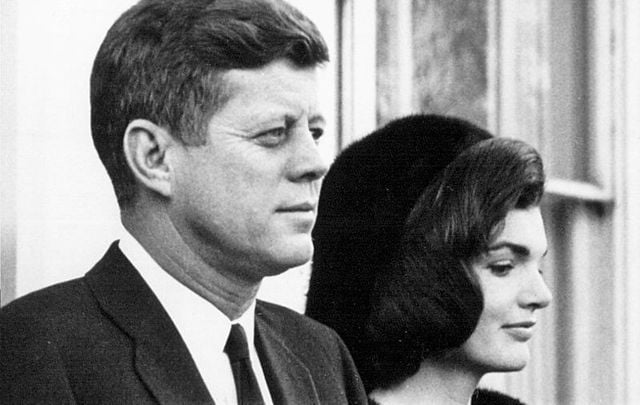
The Kennedy family, often referred to as America’s royalty, has always been a paradox of triumph and tragedy. Among their many heartbreaking stories is that of Patrick Bouvier Kennedy, the youngest child of John F. Kennedy and Jacqueline Bouvier Kennedy.
His life, though heartbreakingly brief, left a lasting impact on the family and the nation.
Born during a time of personal and political turbulence, Patrick’s story is a reminder of the fragility of life, even in the most powerful of families. His death, like that of his older sister Arabella Kennedy, remains a poignant chapter in the Kennedy legacy.
For more on Arabella Kennedy, visit Arabella Kennedy: The Quiet Tragedy in the Kennedy Legacy.
Patrick Bouvier Kennedy: A Brief Life
This page explores the poignant story of Patrick Bouvier Kennedy, the infant son of President John F. Kennedy and First Lady Jacqueline Kennedy. Born prematurely on August 7, 1963, his brief 39-hour life and subsequent passing on August 9, 1963, deeply affected the First Family and the nation. Beyond the personal tragedy, Patrick’s struggle with hyaline membrane disease (HMD), later known as infant respiratory distress syndrome (IRDS), brought crucial public attention to this condition, ultimately fueling vital medical research.
The Context: A First Lady’s Fifth Pregnancy
In the summer of 1963, Jacqueline Kennedy was in her third year as First Lady and expecting her fifth child. Her pregnancy history included a miscarriage in 1955 and the stillbirth of a daughter, Arabella, in 1956. She had two healthy children, Caroline (born 1957) and John Jr. (born 1960), the latter also born prematurely. Understanding the risks, Mrs. Kennedy’s obstetrician, Dr. John W. Walsh, accompanied her and her children during their summer stay in Hyannis Port, Massachusetts, with contingency plans in place at the nearby Otis Air Force Base Hospital.
Unexpected Labor and a Nation Holds Its Breath
On August 7, 1963, while enjoying a pony ride with Caroline and John Jr. in Osterville, Massachusetts, Jacqueline Kennedy experienced the onset of labor. Dr. Walsh was immediately contacted, and she was swiftly transported by helicopter to the prepared suite at Otis Air Force Base.
Meanwhile, President Kennedy was at the White House, coincidentally marking the 20th anniversary of his rescue by the U.S. Navy during World War II. This significant date, deeply etched in his memory, likely added another layer of emotional weight to the news of his wife’s premature labor.
A Premature Birth and Immediate Challenges

While President Kennedy was en route on Air Force One, Patrick Bouvier Kennedy was born via emergency caesarean section at 12:52 p.m. on August 7, 1963, at Otis Air Force Base Hospital. He arrived five and a half weeks early, weighing just 4 pounds 10 1/2 ounces (2.11 kg). This marked a rare event: the first child born to a sitting U.S. President and First Lady since the 19th century.
Tragically, shortly after his birth, Patrick exhibited breathing difficulties, the first signs of hyaline membrane disease (HMD), now known as infant respiratory distress syndrome (IRDS). Upon his arrival, President Kennedy was confronted with his son’s distress and immediately called for a chaplain. The infant was swiftly baptized, receiving the name Patrick after his great-grandfather and Bouvier as his middle name, in honor of his mother’s maiden name.
Desperate Measures and a Heartbreaking Loss
Despite the rapid medical response, including consultation with pediatric specialist Dr. James E. Drorbaught from Boston Children’s Hospital and an emergency transfer to the Boston facility, Patrick’s condition remained critical. He was treated with hyperbaric oxygen therapy, a cutting-edge treatment at the time, but ultimately, the medical interventions were unsuccessful. Patrick Bouvier Kennedy passed away at 4:04 a.m. on August 9, 1963, having lived for only 39 hours and 12 minutes.
Mourning and a Legacy of Progress in Neonatology
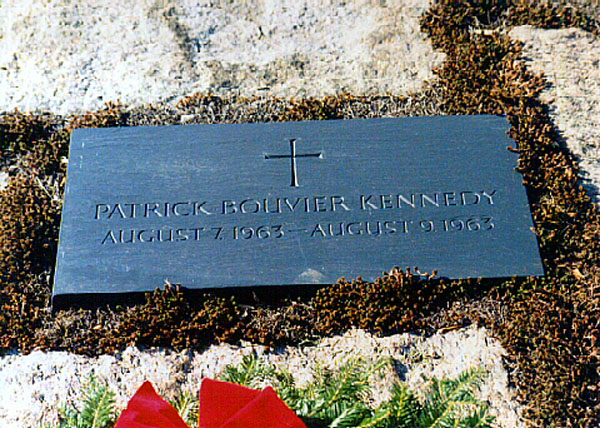
The loss of their infant son deeply affected President and Mrs. Kennedy, reportedly strengthening their bond. The nation mourned with them. A small funeral mass was held on August 10, 1963, and Patrick was initially laid to rest before being reinterred alongside his stillborn sister Arabella and later their father at Arlington National Cemetery.
However, Patrick Kennedy’s short life had a profound and unexpected impact. His struggle with HMD brought the condition into the national spotlight, marking 1963 as a “pivotal year” for neonatology. The increased public awareness spurred significant growth in research, leading to the development of crucial medical advancements, including new ventilators, blood gas tests, and specialized newborn intensive care practices in the United States and Europe. While initial treatments were not immediately successful, Patrick’s story served as a powerful catalyst, energizing researchers to find effective solutions for infant respiratory distress syndrome. Today, a diagnosis like Patrick’s is often considered routine, with a high expectation of survival – a testament to the progress driven, in part, by his brief existence.
FAQ: The Tragic Loss of Patrick Bouvier Kennedy
How Did Patrick Bouvier Kennedy Die?
Patrick died of hyaline membrane disease, a condition caused by underdeveloped lungs in premature babies. Despite receiving advanced medical care, he passed away just 39 hours after his birth.
How Old Was Patrick Bouvier Kennedy?
Patrick was just 39 hours old at the time of his death on August 9, 1963.
What Was Patrick Bouvier Kennedy’s Impact?
Patrick’s death raised awareness about neonatal care and spurred advancements in the treatment of premature infants. His brief life also strengthened the bond between JFK and Jackie during their final months together.
The Kennedy Family’s Private Grief
Patrick’s death was not the first personal tragedy for the Kennedys. Jackie had previously endured a miscarriage and the stillbirth of their first daughter, Arabella Kennedy, in 1956. These losses added to the emotional weight Jackie carried throughout her public life.
For more on Jackie’s earlier loss, read Arabella Kennedy: The Quiet Tragedy in the Kennedy Legacy.
Resilience Amidst Tragedy
The deaths of Arabella and Patrick remind us of the Kennedys’ profound humanity. Despite their wealth, power, and public personas, they faced heartbreaks that resonate universally. Jackie, in particular, embodied remarkable resilience, channeling her grief into raising her surviving children and preserving JFK’s legacy.
The Enduring Impact of Patrick and Arabella Kennedy
Patrick and Arabella Kennedy’s stories are quiet yet powerful chapters in the Kennedy family narrative. Their brief lives serve as poignant reminders of the fragility of life and the depth of loss that even the most influential families endure.
The Kennedys’ ability to continue moving forward, even amidst such profound personal tragedies, is a testament to their strength and determination. For Jackie, who suffered unimaginable losses in her lifetime, her enduring grace and resilience remain an inspiration to millions.
Patrick and Arabella may not have lived long enough to make their own marks on history, but their stories continue to resonate, adding depth and humanity to the larger Kennedy legacy.
For more insights into the Kennedy family’s history, visit Arabella Kennedy: The Quiet Tragedy in the Kennedy Legacy.
About the Author

Seamus
Administrator
Seamus O Hanrachtaigh is an Irish historian, explorer, and storyteller passionate about uncovering the hidden gems and forgotten heritage of Ireland. With years of hands-on exploration across every county — from misty folklore-rich glens and ancient trails to secret coastal paths and vibrant traditional music sessions — he brings authentic, experience-backed insights to travelers seeking the real Ireland beyond the tourist trails. A regular contributor to Irish Central and other publications, Seamus specializes in Celtic traditions, genealogy, Irish history, and off-the-beaten-path road trips. Every guide on SecretIreland.ie draws from personal adventures, local conversations, rigorous research, and fresh 2026 discoveries to deliver trustworthy content filled with genuine craic and hidden stories that big guidebooks miss. When not chasing the next undiscovered spot, Seamus enjoys trad music sessions and fireside storytelling with fellow enthusiasts who value Ireland’s living culture.