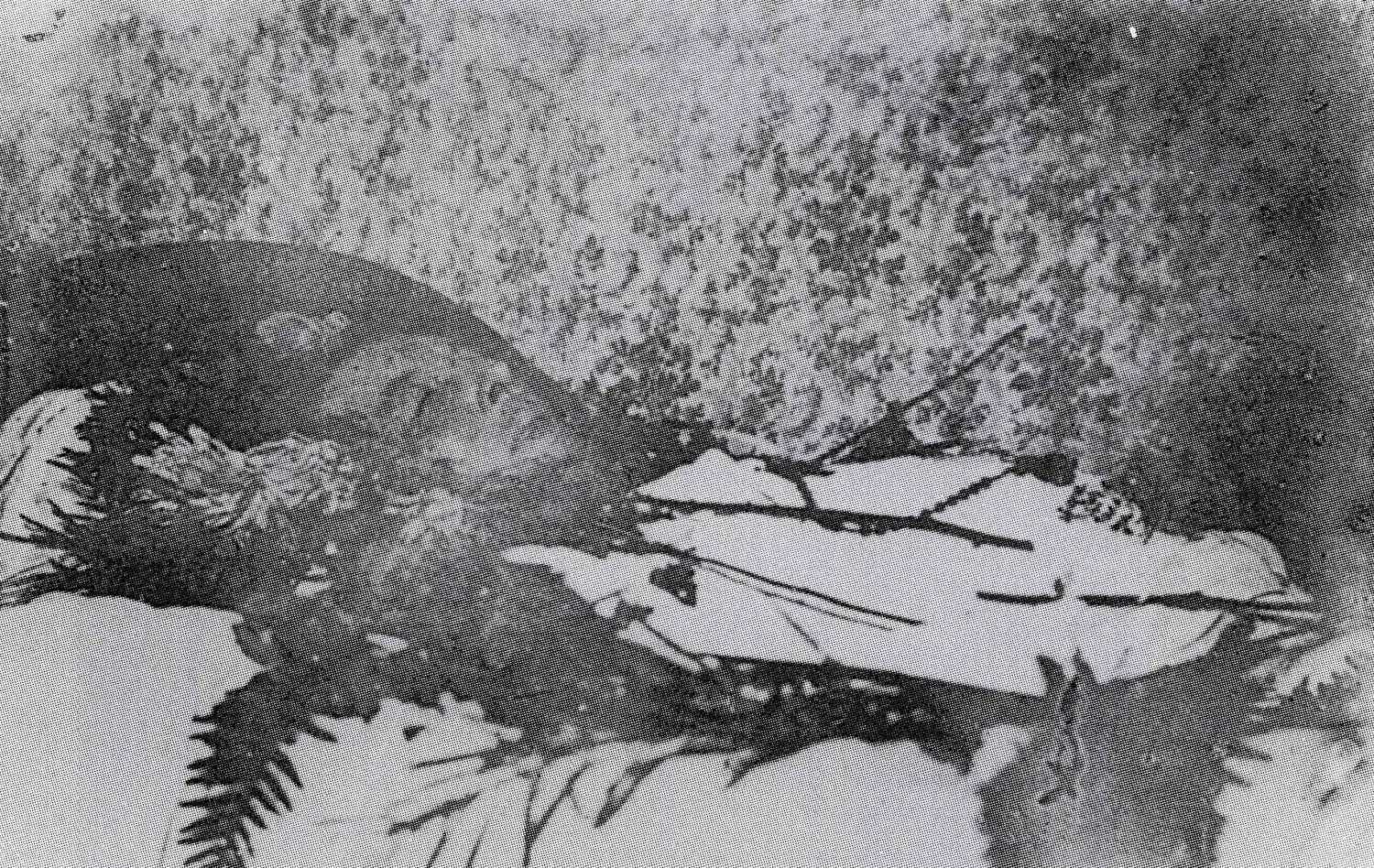
Stand back and feel the thunder of history crashing like waves on Ireland’s wild shores—Oscar Wilde’s deathbed photo, that haunting last photograph of the man himself, sold for a staggering £279,800 at Bonhams auction in London, shattering its humble guide price of £2,000-£3,000 like a rebel’s fist through glass.
This isn’t just some dusty relic; it’s the raw, unfiltered echo of a genius who laughed in the face of scandal, wept with the weight of exile, and died defiant in a Paris hotel room.
The Oscar Wilde death bed photo, captured by Maurice Gilbert on November 30, 1900—the very day Wilde slipped from this world—fetched nearly 100 times its estimate, a testament to the enduring fire of his spirit. In the 125th anniversary year of Oscar Wilde’s death, this Bonhams Oscar Wilde auction unearthed treasures that pull at the heartstrings of literature lovers worldwide. For more untamed Irish tales that cut to the bone, dive into Secret Ireland, where the legends live unbowed.
The Oscar Wilde last photograph isn’t merely an image; it’s a portal to the soul of a towering figure, clad in a simple white nightshirt, laid out in the Hôtel d’Alsace Paris by his loyal friends Robert Ross, Reginald Turner, and hotel proprietor Jean Dupoirier.
This gelatin silver print, inscribed by Robert Ross on the reverse, whispers of final moments in that rundown room where Wilde famously quipped about his wallpaper: “My wallpaper and I are fighting a duel to the death. Either it goes or I do.”
The Oscar Wilde deathbed photo sale at Bonhams, part of a 156-lot extravaganza that raked in over £1.6 million, highlights the insatiable hunger for Oscar Wilde memorabilia, from manuscripts to letters, proving his wit and wisdom still command fortunes.
Oscar Wilde: The Man Behind the Myth – Life, Trials, and Exile
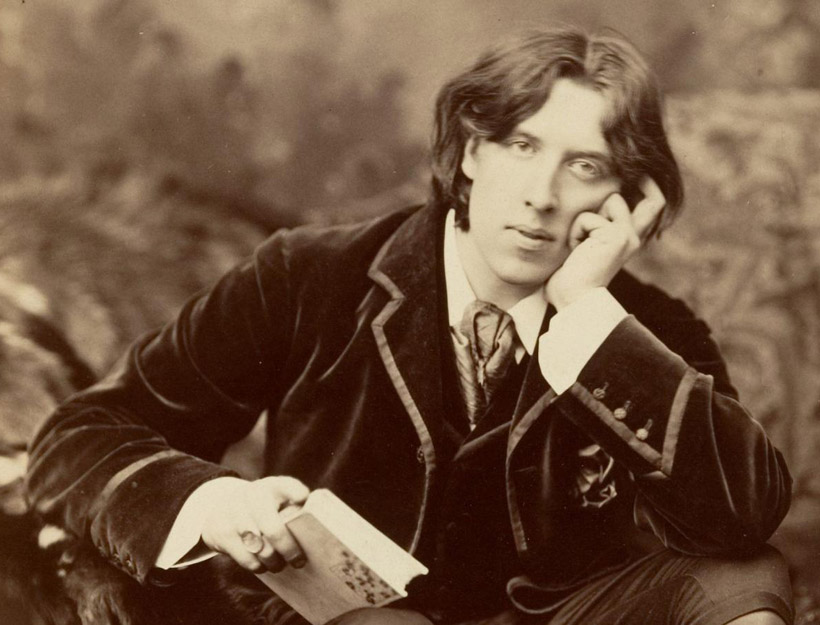
To grasp the seismic impact of the Oscar Wilde death bed photo sale, we must rewind to the raw blaze of his life. Born in Dublin in 1854, Oscar Fingal O’Flahertie Wills Wilde rose like a phoenix from Ireland’s literary heartland, dazzling Victorian society with his plays, poems, and paradoxes.
Works like “The Picture of Dorian Gray” and “The Importance of Being Earnest” cemented his status as a master of epigrams and satire. Yet, the Oscar Wilde trials of 1895—prosecuted for “gross indecency” over his relationship with Lord Alfred Douglas—shattered his world, leading to two years of hard labor in Reading Gaol.
Emerging broken but unbowed, Wilde exiled himself to Paris, adopting the alias Sebastian Melmoth, scraping by in poverty until his death from meningitis at age 46.
The Hôtel d’Alsace Paris, now L’Hôtel, became his final refuge, a faded grandeur mirroring his own decline. Here, in room 16, surrounded by friends like Robert Ross—who managed his estate and championed his legacy—Wilde breathed his last.
The Maurice Gilbert Oscar Wilde photograph, taken shortly after death using flashlight and a borrowed camera, captures not just a body but the essence of a man who lived fiercely.
This last photo of Oscar Wilde, now a cornerstone of Oscar Wilde history, sold amid fervent bidding, underscoring his transformation from scandal-plagued figure to cultural icon.
The Bonhams Oscar Wilde Auction: A Treasure Trove Unveiled
@_dailyhistorian On November 30, 1900, Oscar Wilde died in a cheap room at the Hôtel d’Alsace in Paris. He was 46 years old. A once famous playwright, he spent his final years in exile after public disgrace and imprisonment. His death closed a chapter that had begun with immense success and ended in near-total ruin. Wilde’s fall from public favor followed a series of legal battles in 1895. After suing the Marquess of Queensberry for libel, Wilde was prosecuted for gross indecency. On May 25, 1895, he was convicted and sentenced to two years’ hard labor. He served time in Pentonville Prison, later transferred to Wandsworth and Reading Gaol. The conditions he endured weakened his health and left him financially and socially devastated. Prison changed his work and his voice. While incarcerated Wilde wrote De Profundis, a long, candid letter addressed to Lord Alfred Douglas that blends spiritual reflection, personal accounting, and literary argument. After his release in May 1897 he went to France rather than return to England. He adopted the name Sebastian Melmoth and lived on a fraction of his former income. He published The Ballad of Reading Gaol in 1898 under a pseudonym, a poem that drew on the humiliation and sorrow of prison life and brought him a measure of renewed critical attention. By 1900, Wilde’s health had declined. Contemporary records list cerebral meningitis as the cause of death. He was living in reduced circumstances, dependent on the help of friends and former admirers. Robert Ross, a devoted friend and literary executor, managed funeral arrangements and later worked to restore Wilde’s reputation and preserve his manuscripts and letters. Wilde was buried in Père Lachaise Cemetery in Paris, where his grave has since become a frequent place of pilgrimage for readers and admirers. Wilde’s influence did not end with his death. In the decades after 1900 critics and readers gradually reappraised both his literary gifts and the injustices he suffered. His plays remain central to the English theater repertoire, his essays continue to be taught and debated, and his prison writing stands as a stark testimony to the consequences of laws that criminalized private life. The arc of his life, from celebrated success to public disgrace to posthumous rehabilitation, raises persistent questions about art, law, public opinion, and personal courage. Follow the page for more daily history posts! #OscarWilde #literaryhistory
The Bonhams auction Oscar Wilde, held on February 18, 2026, wasn’t just about the deathbed photo; it was a symphony of rarities from the collection of Jeremy Mason, celebrating the 125th anniversary of Oscar Wilde death. Totaling £1,689,780, the white-glove sale saw every lot find a buyer, with many soaring past estimates.
The Oscar Wilde deathbed photo, guide-priced at £2,000-£3,000, became the star, fetching £279,800—a raw reminder of Wilde’s market might.
Other gems included two autographed manuscripts of the sonnet “The Grave of Shelley” from circa 1881, sold for £60,090 against £12,000-£18,000. A series of five signed Oscar Wilde letters to J. Graham Hill in 1888 and 1891 fetched £57,550, far exceeding £10,000-£15,000.
In these, Wilde invites tea and praises “graceful and dainty” poetry, asking: “Are you still enamoured by Love and Poetry? I hope so. They are only two things in the world that remain.” An autographed letter to Reggie Turner in 1897 went for £57,550, over £8,000-£12,000. A signed first edition of Oscar Wilde Salomé, inscribed to Stuart Merrill—one of four French correctors—sold for £48,640, up from £15,000-£25,000.
Napoleon Sarony’s iconic Oscar Wilde portraits from 1882, capturing the dandy in velvet and silk during his American tour, also drew bids.
These Oscar Wilde photographs by Sarony, radiating charisma, fetched high sums, blending art and history. The auction’s success reflects the Oscar Wilde collection’s allure, from telegrams to theater programs, all echoing his genius.
Oscar Wilde’s Final Moments: The Wallpaper Quote and Beyond
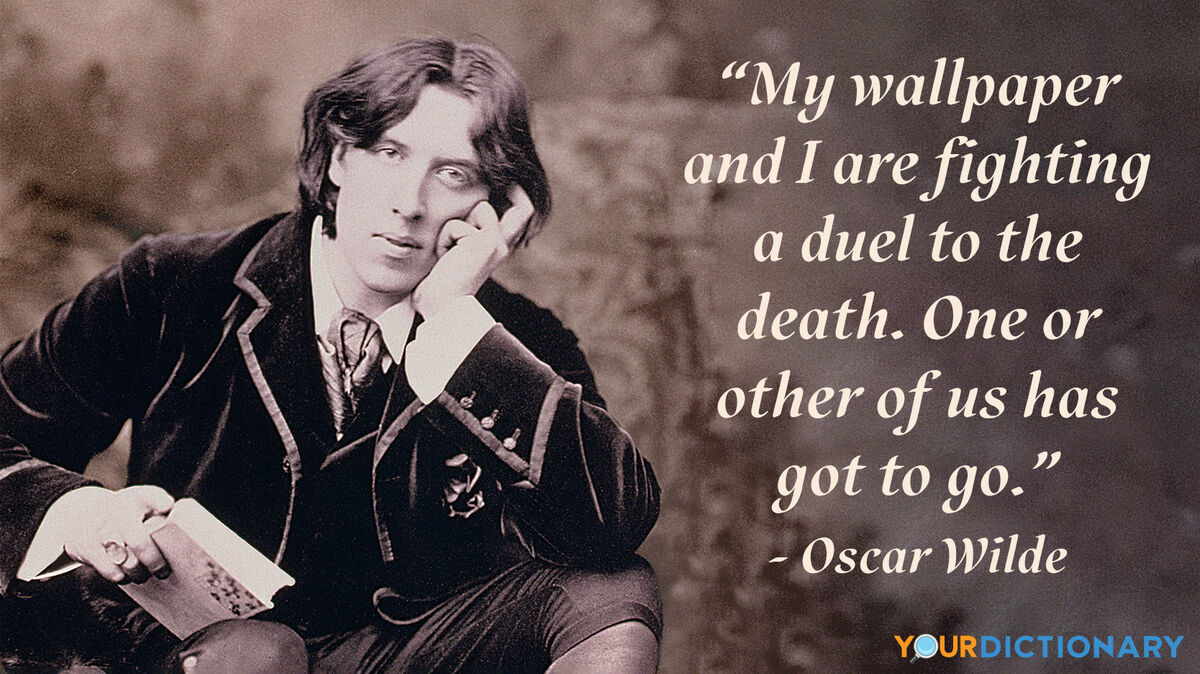
Oscar Wilde’s death in the Hôtel d’Alsace Paris is shrouded in legend, none more famous than his wallpaper quip. As he lay dying, surrounded by Robert Ross and friends, Wilde’s wit flickered one last time.
The room’s gaudy decor clashed with his aesthetic soul, birthing the immortal line. Post-mortem, Jean Dupoirier prepared the body, and Maurice Gilbert captured the Oscar Wilde on his death bed image—a solemn, poignant record.
The Oscar Wilde final years in Paris were marked by poverty and reflection, penning “The Ballad of Reading Gaol” and “De Profundis.” His grave at Père Lachaise Cemetery, with Jacob Epstein’s modernist sphinx tomb, draws pilgrims, its glass barrier protecting from lipstick kisses—a testament to enduring adoration.
The Legacy of Oscar Wilde: Towering Figure in Literature
As Richard Ellmann wrote: “Now beyond the reach of scandal, his best writings validated by time, he comes before us still, a towering figure, laughing and weeping, with parables and paradoxes, so generous, so amusing, so right.”
The Oscar Wilde death bed photo sale amplifies this legacy, fueling interest in his works and life. From Broadway revivals to scholarly tomes, Wilde’s influence endures, his epigrams quoted, his trials a beacon for LGBTQ+ rights.
In 2026, amid Oscar Wilde 125th anniversary events, the Bonhams sale reminds us of his raw humanity. Collectors and fans vie for pieces of his world, from letters to portraits, keeping his spirit alive.
FAQs: Unraveling the Mysteries of Oscar Wilde’s Deathbed Photo
What is the last photo of Oscar Wilde?
The last photo of Oscar Wilde is the deathbed photograph taken by Maurice Gilbert on November 30, 1900, hours after his death in the Hôtel d’Alsace Paris. This gelatin silver print, inscribed by Robert Ross, sold for £279,800 at Bonhams.
Who took the Oscar Wilde deathbed photo?
Maurice Gilbert photographed Oscar Wilde on his death bed at Robert Ross’s request, using flashlight in the dim room.
Where did Oscar Wilde die?
Oscar Wilde died in room 16 of the Hôtel d’Alsace Paris, now L’Hôtel, on November 30, 1900.
What was Oscar Wilde’s famous last words?
Oscar Wilde’s wallpaper quote: “My wallpaper and I are fighting a duel to the death. Either it goes or I do.”
Why did the Oscar Wilde death bed photo sell for so much?
The Oscar Wilde death bed photo sale soared due to rarity, historical significance, and the 125th anniversary of his death, attracting fervent collectors.
Conclusion: Echoes of a Genius Unsilenced
The Oscar Wilde deathbed photo, sold for 100 times its guide price at Bonhams auction, isn’t just a transaction—it’s a roar from the grave, affirming Wilde’s unquenchable legacy. From his Dublin birth to Paris exile, his wit cuts through time. For deeper dives into Ireland’s literary giants, explore Secret Ireland—raw, real, relentless.
About the Author
