As we welcome the new year on January 2, 2026, excitement builds for Nollaig na mBan — Ireland’s beloved Women’s Christmas, celebrated on Tuesday, January 6th, 2026.
This cherished tradition, also known as Little Christmas, honors women after the busy holiday season.
In this in-depth guide, we explore the Nollaig na mBan meaning, history, pronunciation, modern celebrations, and the beautiful Nollaig na mBan song by Celtic Woman. Perfect for anyone searching for authentic ways to celebrate Nollaig na mBan 2026.
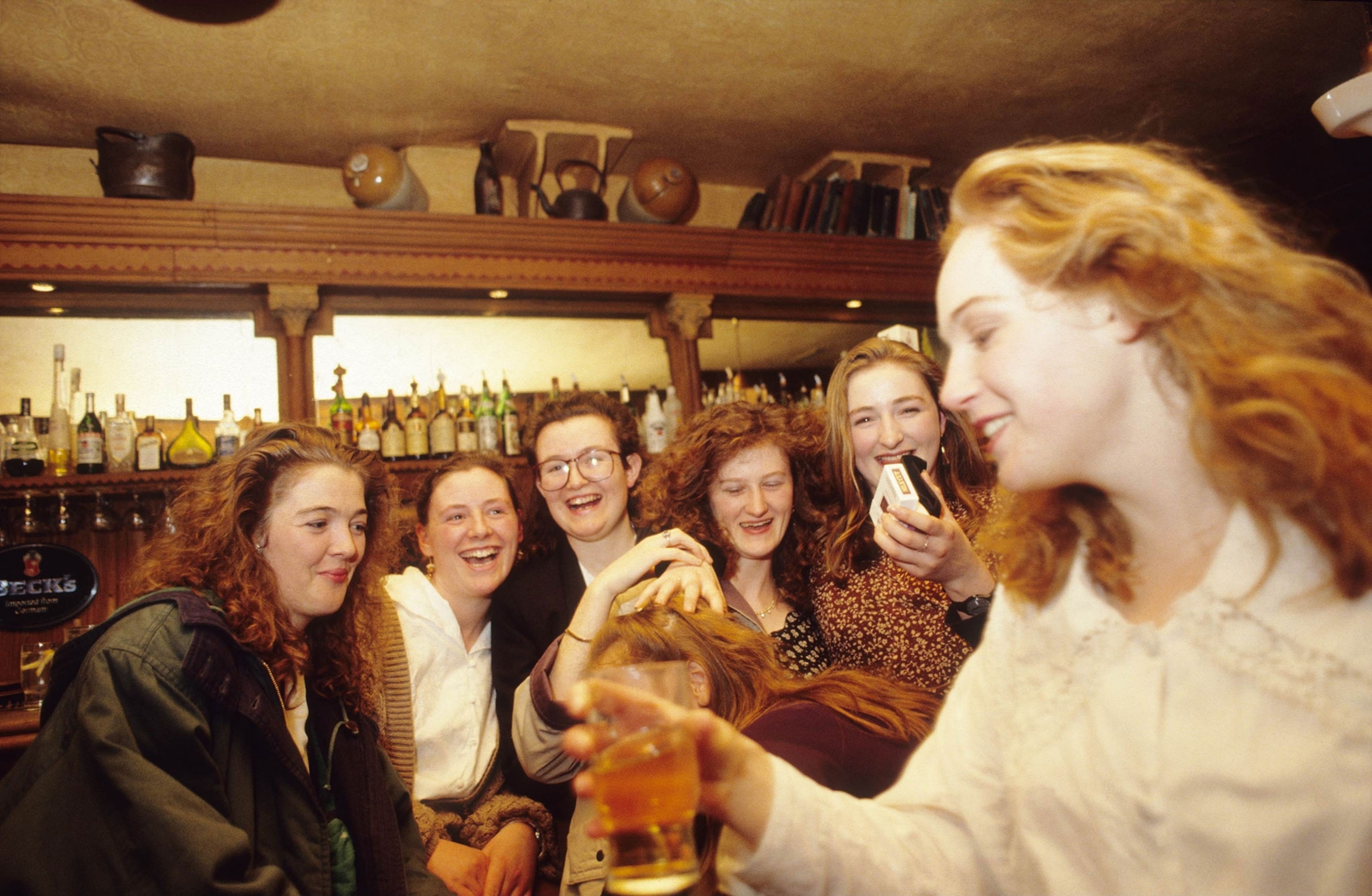
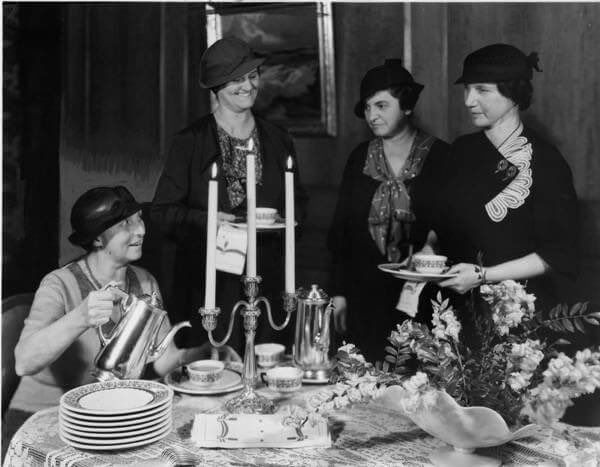
Nollaig na mBan (pronounced “Null-ug na Mon”) translates to “Women’s Christmas” in Irish Gaelic. It marks the end of the 12 days of Christmas and coincides with the Feast of the Epiphany. Traditionally, women rest while men handle household chores — a delightful role reversal that celebrates female contributions to family and community life.
In 2026, with growing interest in cultural heritage, Nollaig na mBan continues to thrive through festivals, gatherings, and music. From Cork and Kerry’s pub celebrations to Dublin’s vibrant festivals, this day offers relaxation, friendship, and reflection.
What is the Meaning of Nollaig na mBan?
The Nollaig na mBan meaning is deeply rooted in Irish culture: “Nollaig” means Christmas, and “na mBan” means “of the women.” It represents a special day dedicated to women, allowing them a well-deserved break after preparing for Christmas. This tradition highlights gender balance and appreciation for women’s labor, both historically and today.
Modern interpretations emphasize empowerment, self-care, and female solidarity. It’s more than a holiday — it’s a cultural statement about recognizing women’s roles year-round.
Nollaig na mBan Pronunciation Guide
Getting the Nollaig na mBan pronunciation right adds authenticity to your greetings. Say it as:
- Nollaig → “Null-ug” (soft ‘g’)
- na → “na”
- mBan → “Mon” (with a subtle nasal sound)
Full greeting: “Nollaig na mBan shona daoibh” — pronounced “Null-ug na Mon hun-ah jeeve” (Happy Women’s Christmas to you all).
Nollaig na mBan History: Origins and Evolution
The Nollaig na mBan history dates back centuries, strongest in southern counties like Cork and Kerry. It ties to the Epiphany but uniquely focuses on women. In rural Ireland, women managed Christmas preparations while men worked outside. On January 6th, roles reversed — men cooked and cleaned, women socialized.
Urbanization nearly faded the tradition, but 21st-century revivals (feminist movements, cultural festivals) have brought it back stronger. Today, it’s celebrated globally by the Irish diaspora, blending heritage with contemporary empowerment.
How to Celebrate Nollaig na mBan in 2026
Celebrating Nollaig na mBan 2026 can be as traditional or modern as you like:
- Let women relax — men prepare meals and handle chores
- Gather with friends for tea, cakes, wine, or outings
- Attend festivals like Dublin’s Nollaig na mBan Festival (January 6th, 2026)
- Enjoy Irish music, storytelling, and community events
- Host an afternoon tea or spa day
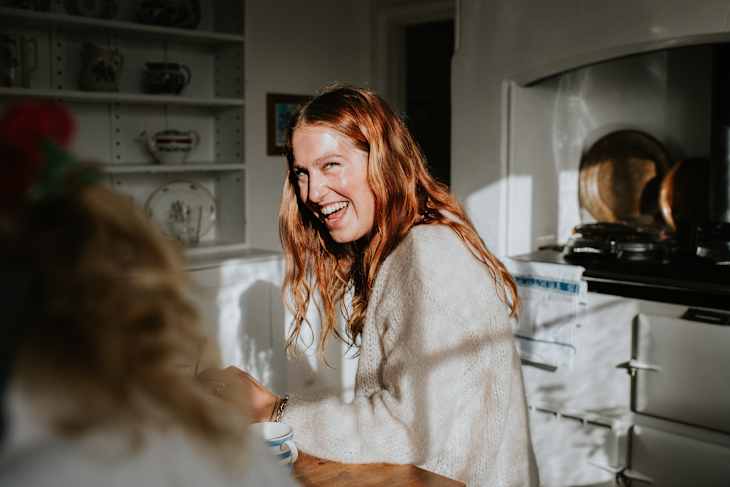
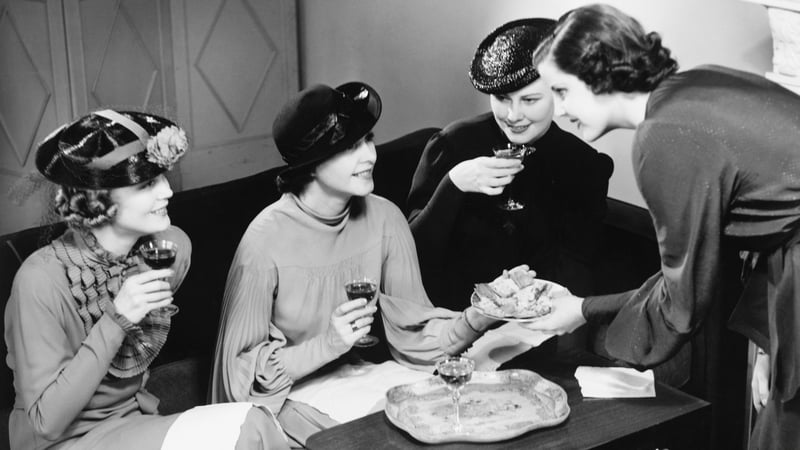
In 2026, expect charity events, music trails, and awards honoring local women across Ireland.
The Nollaig na mBan Song by Celtic Woman
The highlight of recent celebrations is the Nollaig na mBan song by Celtic Woman featuring Sibéal, from their 2025 album “Nollaig – A Christmas Journey“. This haunting original composition perfectly captures winter magic and women’s resilience.
Here are the Nollaig na mBan lyrics:
A Christmas ribbon laced in her hair
Like a willow veiled in white
She slipped away to meet her love
One cold mid-winter night

Her footfall soft as the breath of morn
And stars before the dawn
Pale as her ribbon that flew away
On the night of Nollaig na mBan

Winter's daughter
She is the singing wind
Turning the wheel of time
Winter's daughter
With her tender song
Warms the cold on the night
Of Nollaig na mBan

... [full lyrics continue with poetic verses about winter, love, and tradition]
Stream the track during your celebrations for an atmospheric touch. Celtic Woman’s performance brings Irish heritage to life.


Nollaig na mBan Festival and 2026 Events
The Nollaig na mBan Festival in Dublin’s North Inner City returns on January 6th, 2026, with music trails, awards for outstanding women, and community celebrations. Other events include afternoon teas, charity swims, and gatherings in Cork, Kerry, and beyond.
Plan your participation in Nollaig na mBan 2026 — it’s the perfect way to end the festive season with joy and connection.
FAQ: People Also Ask
What is the meaning of Nollaig na mBan?
Nollaig na mBan meaning: “Women’s Christmas” in Irish — a day dedicated to women, traditionally for rest and socializing while men handle chores. It symbolizes appreciation for women’s work and has evolved into a celebration of empowerment and friendship.
Why is January 6th called Little Christmas?
January 6th is “Little Christmas” as it marks the 12th and final day of Christmas, coinciding with Epiphany. In Ireland, it’s Women’s Little Christmas, offering a secondary, women-focused celebration after the main holiday.
How to celebrate Nollaig na mBan?
Relax while others handle chores, gather with female friends for tea/outings, attend festivals, enjoy Irish music/food, or host gatherings. In 2026, join community events, charity activities, or simply share stories with loved ones.
How to wish someone a happy Nollaig na mBan?
Say “Nollaig na mBan shona daoibh” (Null-ug na Mon hun-ah jeeve). Add personal messages like “Enjoy your well-deserved day of rest and joy!”
What is the prettiest Irish name for a girl?
Many consider Saoirse (meaning “freedom,” pronounced “Seer-sha”) the prettiest, thanks to its melodic sound and strong meaning. Other beautiful options include Aoife, Niamh, and Siobhan — all tied to rich Irish heritage.
Why is January 6th called Old Christmas Day?
Before the Gregorian calendar reform, Christmas fell on January 6th (Julian calendar). Some traditions still call it “Old Christmas,” linking it to Epiphany and older customs preserved in Ireland and elsewhere.
About the Author
