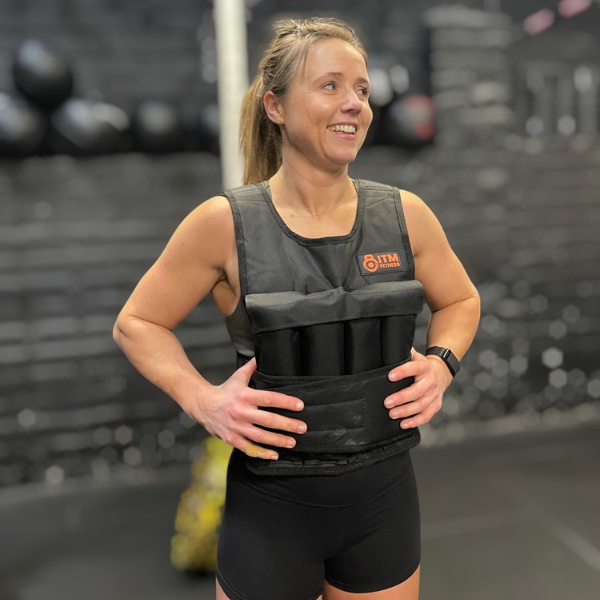
Craving that extra edge in your workouts? Looking to amplify your strength, endurance, and overall fitness? Then it’s time to explore the power of weighted vests, a training tool that’s gaining serious traction in Ireland and beyond. In this comprehensive guide, we’ll delve into the benefits of weighted vests, how to use them effectively, and why they might just be the missing piece in your fitness journey. Plus, we’ll weave in some Irish inspiration and answer all your burning questions to help you make the right choice.
Why “Weighted Vest Ireland” is the Keyword to Know in 2025
In the ever-evolving landscape of fitness, staying ahead of the curve is crucial. For Irish fitness enthusiasts, “weighted vest Ireland” is becoming a key search term. This indicates a growing interest in this versatile piece of equipment and a desire to source it locally. By focusing on this specific keyword, we can connect directly with the Irish market, providing valuable information and establishing ourselves as a go-to resource.
The Irish Edge: Athletes Embracing Weighted Vests
Ireland has a rich sporting history, producing athletes renowned for their strength, endurance, and resilience. While specific examples of top Irish athletes publicly endorsing or detailing their weighted vest usage might be limited in readily available search results, the principles of resistance training with added weight are universally applied across various sports.
Imagine a Gaelic footballer using a weighted vest during off-season conditioning to build explosive power for those high catches and powerful runs. Picture a track and field athlete incorporating a weighted vest into their hill repeats to enhance lower body strength and cardiovascular endurance. Consider a rugby player utilizing a weighted vest during bodyweight circuits to improve strength and stamina for those crucial tackles and scrums.
The benefits of weighted vests align perfectly with the demands of many Irish sports:
- Increased Strength and Power: Adding resistance during exercises like squats, lunges, and jumps forces muscles to work harder, leading to greater strength gains.
- Improved Endurance: Carrying extra weight during cardiovascular activities like running or hill climbs enhances the body’s ability to sustain effort over longer periods.
- Enhanced Agility and Speed (when used judiciously): While heavier vests can initially feel restrictive, lighter vests can improve proprioception and force production, potentially translating to better agility over time.
- Greater Caloric Burn: The added weight increases the intensity of any movement, leading to higher energy expenditure.
While we may not have explicit quotes from the likes of Katie Taylor or Paul O’Connell detailing their weighted vest routines, the underlying principles of progressive overload and resistance training are fundamental to their success, and weighted vests are a valuable tool in achieving those principles.
Are Weighted Vests Worth It? The Long and Detailed Answer
Absolutely, weighted vests are a worthwhile investment for a wide range of fitness enthusiasts, offering a multitude of benefits that can significantly enhance your training. They provide a simple yet effective way to add extra resistance to various exercises, leading to improved strength, endurance, and overall fitness.
Here’s a detailed breakdown of why weighted vests are worth considering:
- Increased Strength and Power: By adding external load to bodyweight exercises like squats, lunges, push-ups, and pull-ups, weighted vests force your muscles to work harder. This increased demand stimulates muscle protein synthesis, leading to greater muscle strength and power development over time. For example, performing squats with a weighted vest engages your quadriceps, hamstrings, and glutes more intensely than unweighted squats, resulting in faster strength gains in these key muscle groups.
- Improved Muscular Endurance: Wearing a weighted vest during cardiovascular activities like walking, running, or cycling increases the effort required from your muscles. This added resistance challenges your cardiovascular system and improves your muscles’ ability to sustain effort for longer durations. Imagine running your usual 5k route with a weighted vest – your legs will fatigue sooner initially, but with consistent training, your muscular endurance will significantly improve, making unweighted runs feel easier.
- Enhanced Calorie Expenditure: The simple act of moving with added weight burns more calories compared to performing the same activity without a vest. This is because your body has to expend more energy to move the extra load. Incorporating a weighted vest into your daily walks or workouts can contribute to a higher overall calorie burn, aiding in weight management and fat loss. A study showed that walking with a weight vest can increase calorie expenditure by a significant percentage compared to regular walking.
- Improved Bone Density: Resistance training, including exercises performed with a weighted vest, puts stress on your bones, stimulating them to become denser and stronger. This is particularly beneficial as we age, helping to prevent conditions like osteoporosis. The added weight during activities like walking or squats provides the necessary stimulus for bone growth.
- Enhanced Functional Fitness: Weighted vests can mimic the demands of real-world activities where you might need to carry extra weight, such as carrying groceries, lifting children, or performing tasks at work. Training with a weighted vest can make these everyday activities feel easier. For individuals in professions like firefighting or the military, weighted vests are invaluable for simulating job-specific tasks.
- Versatility: Weighted vests can be incorporated into a wide variety of exercises, including bodyweight training, cardiovascular workouts, and even some forms of plyometrics (with caution and lighter weights). This versatility makes them a valuable tool for diverse fitness goals. You can wear them during your morning walk, your home bodyweight circuit, or even during a hike in the Wicklow Mountains.
- Convenience: Unlike bulky weights or gym equipment, a weighted vest is a relatively compact and easy-to-use piece of equipment. It allows for a full range of motion and doesn’t require specialized setup. You can simply put it on and go.
- Progressive Overload: Weighted vests allow for easy progressive overload. As you get stronger, you can gradually increase the weight of the vest to continue challenging your muscles and promoting further gains. Many vests come with adjustable weights, allowing you to customize the load to your current fitness level and the specific exercise.
While there are some potential disadvantages (which we’ll discuss later), the benefits of weighted vests for improving strength, endurance, calorie burn, bone density, and functional fitness make them a worthwhile addition to many fitness routines.
Is a 5kg Weighted Vest Enough? The Long and Detailed Answer
Whether a 5kg weighted vest is “enough” depends entirely on your individual fitness level, training goals, and the types of exercises you plan to perform. For beginners or those new to weighted training, a 5kg vest can provide a significant challenge and offer numerous benefits. However, for more advanced individuals or those with specific strength goals, 5kg might be a starting point or suitable for lower-intensity activities.
Here’s a more detailed look at the adequacy of a 5kg weighted vest:
For Beginners:
- Significant Initial Challenge: If you’re new to using a weighted vest, adding even 5kg of resistance to your bodyweight exercises or walks will likely feel noticeably harder. Your muscles will need to work harder to overcome the added load, leading to quicker strength and endurance adaptations compared to unweighted training.
- Focus on Form: Starting with a lighter weight like 5kg allows you to focus on maintaining proper form during exercises. This is crucial for preventing injuries and ensuring that the targeted muscles are being effectively engaged. It’s better to perform exercises correctly with a lighter weight than to struggle with a heavier weight and compromise your technique.
- Gradual Progression: A 5kg vest provides a good starting point for gradually introducing weighted training into your routine. As you get stronger and more comfortable, you can then consider increasing the weight to continue challenging yourself.
- Suitable for Longer Durations: The lighter weight of a 5kg vest makes it suitable for wearing during longer duration activities like brisk walking or light hiking without causing excessive fatigue or compromising your gait.
For Intermediate Individuals:
- Moderate Challenge for Some Exercises: For individuals with some level of fitness, a 5kg vest might provide a moderate challenge for certain bodyweight exercises like push-ups or lunges, helping to push past plateaus.
- Good for Cardiovascular Enhancement: A 5kg vest can be effective for increasing the intensity of cardiovascular workouts like running, hill repeats, or stair climbing. The added weight will elevate your heart rate and increase calorie burn.
- May Be Insufficient for Lower Body Strength: For building significant strength in the lower body through exercises like squats or step-ups, a 5kg vest might not provide enough resistance for those with a solid training base. You might need to consider heavier options to elicit a greater strength-building response.
For Advanced Individuals:
- Likely Insufficient for Strength Gains: For experienced lifters, a 5kg vest will likely not provide enough resistance to significantly challenge their strength in most exercises. It might be useful for warm-ups or as a deload tool.
- Potentially Useful for High-Rep Endurance Work: A 5kg vest could still be beneficial for high-repetition bodyweight endurance exercises or for adding a slight challenge to longer runs or hikes.
- May Not Align with Specific Training Goals: If your goal is to build maximal strength or explosive power, you will likely need significantly heavier loads than 5kg.
In conclusion, a 5kg weighted vest is a valuable tool, particularly for beginners and those looking to enhance cardiovascular workouts or add a moderate challenge to bodyweight exercises. However, its “enoughness” is subjective and depends on your individual circumstances and goals. As you progress, you may find that you need to increase the weight to continue seeing significant adaptations.
How Many Hours Should You Wear a Weighted Vest? The Long and Detailed Answer
The optimal duration for wearing a weighted vest varies significantly depending on your fitness level, the weight of the vest, the activity you’re performing, and your individual tolerance. There’s no one-size-fits-all answer, and it’s crucial to listen to your body and progress gradually.
General Guidelines and Considerations:
- Start with Shorter Durations: If you’re new to using a weighted vest, begin by wearing it for short periods, such as 15-30 minutes during a walk or a portion of your workout. This allows your body to adapt to the added load and minimizes the risk of injury or excessive fatigue.
- Consider the Weight: The heavier the vest, the shorter the recommended wearing time, especially for beginners. A 5kg vest can generally be worn for longer durations than a 10kg or 20kg vest.
- Type of Activity: The intensity of the activity also plays a role. You might be able to comfortably wear a lighter vest for a longer walk than during a high-intensity interval training (HIIT) session. During dynamic movements, the added weight can put more stress on your joints.
- Listen to Your Body: Pay close attention to how your body feels. If you experience any pain, discomfort, or significant fatigue, remove the vest immediately. Don’t push through pain, as this can lead to injury.
- Gradual Progression: As your body adapts, you can gradually increase the duration you wear the vest. For example, you might start with 30-minute walks and progressively increase it by 10-15 minutes each week as tolerated.
- Workout vs. Daily Wear: Wearing a weighted vest for an entire day is generally not recommended, especially for beginners. It’s primarily a training tool to be used during specific activities. Prolonged wear can lead to muscle imbalances, postural issues, and unnecessary stress on your joints.
- Specific Training Goals: The duration might also depend on your training goals. If you’re using it for strength training, you’ll likely only wear it during your workout sets. If you’re using it for endurance, you might wear it for a longer portion of your run or walk.
- Rest and Recovery: Ensure you have adequate rest and recovery days to allow your body to adapt to the added stress of the weighted vest. Overtraining can negate the benefits and increase the risk of injury.
Example Progression:
- Week 1-2 (Beginners): Wear a light vest (e.g., 5kg) for 15-30 minutes during 2-3 walks per week.
- Week 3-4: Gradually increase the duration by 5-10 minutes per session if comfortable. You might also start incorporating it into short bodyweight exercise circuits for a few sets.
- Week 5 onwards: Depending on your progress and goals, you can continue to gradually increase the duration or the weight of the vest. Some individuals might eventually comfortably wear a lighter vest for longer walks (e.g., 45-60 minutes), while others might use heavier vests for shorter, more intense strength training sessions.
It’s generally advisable to keep the wearing time within a reasonable window (e.g., 30-60 minutes for most workouts and shorter durations for very heavy vests or high-impact activities). Always prioritize proper form and listen to your body’s signals. If you have any underlying health conditions, it’s best to consult with a healthcare professional before incorporating a weighted vest into your routine.
Is 20kg Enough for a Weighted Vest? The Long and Detailed Answer
Whether 20kg is “enough” for a weighted vest, like the 5kg question, is highly subjective and depends on the individual’s strength level, training goals, and the exercises being performed. For some, 20kg will provide a significant challenge, while for others, it might be a moderate load or even too light.
Here’s a detailed breakdown of the adequacy of a 20kg weighted vest:
For Beginners:
- Likely Too Heavy: A 20kg weighted vest is generally too heavy for individuals who are new to weighted training. Starting with such a significant load can increase the risk of injury, compromise form, and lead to excessive fatigue and discouragement. Beginners should focus on lighter weights (5-10% of their body weight is often recommended) to allow their bodies to adapt gradually.
For Intermediate Individuals:
- Significant Challenge for Many Exercises: For those with some fitness experience, a 20kg vest can provide a substantial challenge for various bodyweight exercises like squats, lunges, push-ups (depending on strength), and pull-ups (can make them significantly harder). It can be an effective way to progress beyond lighter vests and continue building strength.
- High Intensity for Cardiovascular Work: Wearing a 20kg vest during cardiovascular activities like running, hill repeats, or stair climbing will significantly increase the intensity and calorie burn. It can be a powerful tool for enhancing cardiovascular endurance and pushing past plateaus.
- Potentially Suitable for Strength-Focused Training: If your goal is to build significant strength with bodyweight exercises, 20kg can provide enough resistance to stimulate muscle growth, especially in the lower body.
For Advanced Individuals:
- Moderate Load for Some Exercises: For very strong individuals, a 20kg vest might be a moderate load for exercises like squats or lunges. It might be useful for higher-repetition strength endurance work or for adding a challenge to bodyweight circuits.
- Effective for High-Intensity Conditioning: A 20kg vest can still be very effective for high-intensity conditioning exercises, rucking (walking with a weighted backpack or vest), and activities where sustained effort under load is required.
- May Not Be Sufficient for Maximal Strength: If your primary goal is to build maximal strength, you will likely need to incorporate heavier external loads through traditional weightlifting exercises. The weighted vest can be a supplementary tool.
Key Considerations for a 20kg Weighted Vest:
- Proper Fit: A 20kg vest needs to fit snugly and securely to prevent excessive movement and potential injury during exercises. Look for adjustable straps and a design that distributes the weight evenly.
- Exercise Selection: Choose exercises where you can maintain proper form with the added weight. Start with lower-impact exercises and gradually progress to more dynamic movements as your body adapts.
- Listen to Your Body: Pay close attention to any signs of strain or discomfort. A 20kg load puts significant stress on your body, so adequate rest and recovery are crucial.
- Gradual Introduction: Even if you are an experienced lifter, introduce a 20kg vest gradually. Don’t try to immediately perform your regular workouts with this much added weight.
In conclusion, a 20kg weighted vest is a significant load that can be very effective for intermediate to advanced individuals looking to increase the intensity of their bodyweight training and cardiovascular workouts. However, it is generally not suitable for beginners and requires careful consideration of proper form, exercise selection, and listening to your body.
What Are the Disadvantages of a Weighted Vest? The Long and Detailed Answer
While weighted vests offer numerous benefits, they also come with potential disadvantages that are important to consider before incorporating them into your fitness routine. Being aware of these drawbacks can help you use them safely and effectively.
Here are some of the key disadvantages of using a weighted vest:
- Increased Risk of Injury: The added weight increases the stress on your joints, particularly the knees, ankles, hips, and lower back. This is especially true during high-impact activities like running or jumping. If you have pre-existing joint issues or don’t maintain proper form, a weighted vest can exacerbate these problems or lead to new injuries. It’s crucial to start with a light weight and gradually increase it, focusing on maintaining correct technique.
- Potential for Muscle Strain and Imbalances: If the vest is too heavy or used improperly, it can lead to muscle strains, particularly in the back and shoulders. Additionally, if you don’t progressively overload and focus on balanced training, the added weight could potentially contribute to muscle imbalances over time.
- Compromised Form: The extra weight can make it more challenging to maintain proper form during exercises. This is particularly true for complex movements or when fatigue sets in. Poor form not only reduces the effectiveness of the exercise but also significantly increases the risk of injury. It’s essential to prioritize quality of movement over the amount of weight.
- Cardiovascular Strain: While the increased intensity can be a benefit for cardiovascular training, it can also put extra strain on your heart and lungs, especially if you have any underlying cardiovascular conditions. It’s important to listen to your body and avoid pushing yourself too hard, particularly when starting with a weighted vest.
- Discomfort and Restriction of Movement: Some weighted vests can feel bulky or uncomfortable, potentially restricting your range of motion during certain exercises. A poorly fitting vest can chafe or dig into your skin. Choosing a well-designed and properly fitted vest is crucial for comfort and optimal performance.
- Cost: High-quality weighted vests, especially those with adjustable weights and durable construction, can be a significant investment compared to other basic fitness equipment.
- Not Suitable for All Exercises: Weighted vests are not ideal for all types of exercises. For example, they might feel awkward or restrictive during certain agility drills or exercises that require a very wide range of motion.
- Potential for Overuse Injuries: Similar to any form of resistance training, overuse is a risk if you don’t allow for adequate rest and recovery. The added weight can accelerate fatigue and increase the likelihood of overuse injuries if you train too frequently or intensely with a weighted vest.
- May Not Be Necessary for All Fitness Goals: If your primary goals are flexibility, balance, or very specific skill-based movements, a weighted vest might not be the most effective tool. It’s primarily beneficial for increasing strength, endurance, and calorie expenditure.
- Washing and Maintenance: Some weighted vests can be difficult to clean due to the embedded weights. Sweat and bacteria can build up over time, so proper hygiene can be a concern. Look for vests with removable weights or washable materials if this is a priority.
In conclusion, while weighted vests offer significant advantages for enhancing fitness, it’s crucial to be aware of the potential disadvantages. Starting slowly, focusing on proper form, listening to your body, and choosing a well-fitting vest are essential for minimizing these risks and maximizing the benefits. If you have any pre-existing health conditions, consulting with a healthcare professional before using a weighted vest is always recommended.
Does a Weighted Vest Help Lose Belly Fat? The Long and Detailed Answer
A weighted vest can indirectly contribute to belly fat loss as part of a comprehensive weight management strategy, but it’s not a magic bullet for targeting abdominal fat specifically. Fat loss, including belly fat, primarily occurs through creating a consistent calorie deficit – burning more calories than you consume.
Here’s how a weighted vest can play a role in this process:
- Increased Calorie Expenditure: Wearing a weighted vest during workouts and even daily activities like walking increases the amount of energy your body expends. The added weight forces your body to work harder to move, leading to a higher calorie burn compared to performing the same activities without a vest. Over time, this increased energy expenditure can contribute to a calorie deficit, which is necessary for fat loss.
- Enhanced Intensity of Workouts: By adding resistance to exercises like squats, lunges, and even cardiovascular activities, a weighted vest increases the intensity of your workouts. Higher intensity workouts generally burn more calories in a shorter amount of time and can also lead to a greater post-exercise oxygen consumption (EPOC), meaning you continue to burn more calories even after your workout is finished.
- Muscle Building: While not its primary function, using a weighted vest for resistance training can contribute to muscle growth. Muscle tissue is more metabolically active than fat tissue, meaning it burns more calories at rest. By building more muscle, 1 you can increase your basal metabolic rate, making it easier to create a calorie deficit and lose fat over the long term.
1. functionalpatterns.comfunctionalpatterns.com
- Improved Cardiovascular Health: Using a weighted vest during cardiovascular exercise can improve your cardiovascular fitness. A healthier cardiovascular system supports overall well-being and can make it easier to engage in more physical activity, further aiding in calorie burning and fat loss.
Why it doesn’t directly target belly fat:
- Spot Reduction is a Myth: The idea that you can target fat loss in a specific area of your body (like the belly) through localized exercises or equipment is a common misconception. Fat loss occurs systemically throughout the body. While exercises that engage your core muscles are important for building abdominal strength, they don’t preferentially burn belly fat.
- Calorie Deficit is Key: Regardless of whether you use a weighted vest, you won’t lose belly fat unless you are in a consistent calorie deficit. This is primarily achieved through a combination of a healthy, balanced diet and regular physical activity.
- Hormonal Factors: Belly fat accumulation is also influenced by hormonal factors, stress levels, and genetics. While exercise can positively impact some of these factors, a weighted vest alone cannot address the underlying hormonal imbalances that might contribute to abdominal fat storage.
How to use a weighted vest for fat loss effectively:
- Combine with a Healthy Diet: Focus on consuming a nutrient-dense diet that is lower in calories than you burn.
- Incorporate into a Variety of Exercises: Use the weighted vest during both strength training and cardiovascular workouts to maximize calorie expenditure and muscle building.
- Progressive Overload: Gradually increase the weight or duration of your workouts as you get fitter to continue challenging your body and promoting adaptation.
- Consistency is Crucial: Regular exercise, including workouts with a weighted vest, needs to be a consistent part of your lifestyle for sustained fat loss.
- Manage Stress and Get Enough Sleep: These factors play a significant role in hormone regulation and can impact fat storage, including belly fat.
In conclusion, a weighted vest can be a valuable tool in your arsenal for overall fat loss, including belly fat, by increasing calorie expenditure, enhancing workout intensity, and potentially contributing to muscle growth. However, it’s not a targeted solution for abdominal fat and must be combined with a healthy diet and consistent exercise to be effective.
Does Walking with a Weighted Vest Build Muscle? The Long and Detailed Answer
Walking with a weighted vest can contribute to muscle building, particularly in the lower body and core, but the extent of muscle growth will depend on several factors, including the weight of the vest, your current fitness level, the duration and intensity of your walks, and your nutritional intake.
Here’s a detailed breakdown of how walking with a weighted vest can build muscle:
- Increased Resistance: The primary way a weighted vest helps build muscle during walking is by increasing the resistance your muscles have to work against. Your leg muscles (quadriceps, hamstrings, calves, glutes) have to exert more force to propel your body forward and maintain stability under the added load. This increased demand can stimulate muscle protein synthesis, the process by which your body repairs and builds new muscle tissue.
- Greater Muscle Activation: Walking with a weighted vest can lead to greater activation of the muscles in your legs and core compared to unweighted walking. The extra weight challenges these muscles to work harder to maintain balance and control movement.
- Potential for Progressive Overload: As your muscles adapt to the added weight, you can gradually increase the weight of the vest to continue challenging them and promoting further muscle growth. This principle of progressive overload is crucial for long-term muscle development.
- Low-Impact Option: Walking with a weighted vest provides a relatively low-impact way to add resistance training to your routine. This can be particularly beneficial for individuals who are new to exercise, recovering from injuries, or looking for a gentler alternative to high-impact activities like running.
- Core Engagement: To maintain stability while walking with a weighted vest, your core muscles (abdominals, obliques, lower back) have to work harder to prevent excessive torso movement. This can contribute to increased core strength and potentially some muscle development in this area.
Factors Influencing Muscle Growth from Weighted Vest Walking:
- Weight of the Vest: The heavier the vest, the greater the resistance and the more potential for muscle growth. However, it’s crucial to start with a weight that allows you to maintain proper walking form and gradually increase it over time. A weight that is too light might not provide enough stimulus for significant muscle growth, especially for individuals who are already relatively fit.
- Walking Intensity and Duration: Longer and more brisk walks with a weighted vest will generally lead to greater muscle activation and calorie expenditure compared to leisurely strolls. Incorporating inclines or hills will further increase the intensity and the demand on your leg muscles.
- Current Fitness Level: Individuals who are new to exercise or have a lower baseline fitness level are likely to experience more noticeable muscle growth from walking with a weighted vest compared to highly trained athletes.
- Nutrition: Adequate protein intake is essential for muscle repair and growth. To maximize muscle building from any form of exercise, including walking with a weighted vest, you need to consume enough protein in your diet.
- Genetics: Individual genetic factors also play a role in muscle growth potential.
Limitations of Weighted Vest Walking for Muscle Growth:
- Not as Effective as Dedicated Resistance Training: While walking with a weighted vest can contribute to muscle building, it is generally not as effective as dedicated resistance training exercises like squats, lunges, and deadlifts, which allow for greater control over the load and targeted muscle activation.
- Upper Body Muscle Growth is Minimal: Walking with a weighted vest primarily targets the lower body and core. It will not significantly contribute to muscle growth in the upper body.
In conclusion, walking with a weighted vest can be a useful tool for building muscle, particularly in the lower body and core, especially for beginners or as a supplementary form of resistance training. To maximize muscle growth, it’s important to use a challenging but manageable weight, walk at a brisk pace for a sufficient duration, progressively increase the weight over time, and ensure adequate protein intake. However, for significant muscle gains, incorporating dedicated resistance training exercises is generally recommended.
How Much Does Davina McCall Weigh?
Davina McCall has spoken publicly about her weight and fitness journey. While her weight may fluctuate naturally over time, as it does for most people, she has generally maintained a healthy and fit physique.
Based on various interviews and articles, Davina McCall has mentioned weighing around 61-63 kg (approximately 134-139 pounds). However, it’s important to remember that these figures are based on past statements and her weight may currently be different.
Davina McCall is a strong advocate for healthy living and regular exercise, focusing on overall well-being rather than solely on a specific number on the scale. Her fitness routines often involve a combination of cardio, strength training, and yoga.
It’s also worth noting that focusing on someone’s exact weight can be misleading, as factors like muscle mass, body composition, and overall health are more important indicators of fitness than just a number on the scale. Davina McCall’s emphasis on a balanced lifestyle and feeling strong and healthy is a more positive and sustainable approach to well-being.
What is the Rule for Weighted Vests? The Long and Detailed Answer
While there isn’t one universally codified “rule” for using weighted vests, there are several widely accepted guidelines and best practices to ensure safe and effective training. These guidelines are based on exercise science principles and aim to maximize benefits while minimizing the risk of injury.
Here are the key “rules” or guidelines for using weighted vests:
-
Start Light (The 10% Rule): A common recommendation for beginners is to start with a weight that is no more than 5-10% of your body weight. This allows your body to gradually adapt to the added load without compromising form or increasing the risk of injury. For example, if you weigh 70kg, start with a vest weighing no more than 3.5-7kg.
-
Prioritize Proper Form: Maintaining correct technique during exercises is paramount, even more so when using a weighted vest. The added weight can make it harder to control your movements, so focus on executing each exercise with good form. If the weight causes you to compromise your form, it’s too heavy.
-
Progress Gradually: Just like with any form of resistance training, you should progressively increase the weight of your vest over time as you get stronger and more comfortable. Don’t jump to a heavy weight too quickly. Increase the load in small increments (e.g., 1-2kg at a time) and only when you can comfortably perform your exercises with good form at the current weight.
-
Listen to Your Body: Pay close attention to how your body feels. If you experience any pain, discomfort, or excessive fatigue, stop immediately. Don’t push through pain, as this can be a sign of injury. Allow for adequate rest and recovery between workouts to allow your body to adapt.
-
Consider the Activity: The appropriate weight and duration of wear will vary depending on the activity. You might be able to wear a heavier vest for shorter strength training sets than for a long walk or run. High-impact activities with a heavy vest can put significant stress on your joints, so proceed with caution.
-
Keep Duration Reasonable: Avoid wearing a weighted vest for extended periods outside of your workouts, especially when you are first starting. Prolonged wear can lead to muscle imbalances, postural issues, and unnecessary stress on your joints. Use it primarily as a training tool during specific exercises or activities.
-
Ensure a Snug and Secure Fit: The weighted vest should fit snugly and securely to prevent excessive movement or bouncing during exercise. Look for adjustable straps that allow you to customize the fit. A vest that shifts around can be uncomfortable and potentially lead to injury.
-
Focus on Quality Over Quantity: It’s better to perform fewer repetitions with good form and a manageable weight than to struggle through many repetitions with poor technique due to excessive load.
-
Warm-Up Properly: Always perform a dynamic warm-up before exercising with a weighted vest to prepare your muscles and joints for the added load.
-
Cool-Down and Stretch: After your workout, take time to cool down and stretch to improve flexibility and aid in recovery.
-
Consider Individual Needs and Goals: The optimal way to use a weighted vest will depend on your individual fitness level, training goals, and any pre-existing conditions. What works well for one person might not be suitable for another.
-
Consult a Professional (If Necessary): If you have any underlying health conditions or are unsure about how to use a weighted vest safely and effectively, consider consulting with a qualified fitness professional or healthcare provider.
In summary, the “rules” for weighted vests emphasize starting light, prioritizing proper form, progressing gradually, listening to your body, and using the vest appropriately for the specific activity and your individual needs. Following these guidelines will help you maximize the benefits of weighted vest training while minimizing the risks.
Does Walking with a Weighted Vest Make a Difference? The Long and Detailed Answer
Yes, walking with a weighted vest can indeed make a significant difference to your fitness compared to unweighted walking. The added resistance provides numerous benefits that can enhance your strength, endurance, calorie expenditure, and overall fitness level.
Here’s a detailed breakdown of the differences you can expect when walking with a weighted vest:
- Increased Calorie Burn: The most immediate and noticeable difference is the increased energy expenditure. Your body has to work harder to move the extra weight, leading to a higher number of calories burned per minute or per mile compared to walking without a vest. This can contribute to weight management and fat loss over time. Studies have shown a significant increase in calorie expenditure when walking with a weighted vest, even at the same pace.
- Enhanced Cardiovascular Effort: Walking with a weighted vest increases the demand on your cardiovascular system. Your heart has to pump harder to deliver oxygen and nutrients to your working muscles. This can lead to improvements in your cardiovascular endurance and overall heart health. You might notice your heart rate is elevated compared to unweighted walking at the same pace.
- Strengthened Lower Body Muscles: The added resistance challenges the muscles in your legs (quadriceps, hamstrings, calves, glutes) to work harder with each step. Over time, this can lead to increased strength and endurance in these muscle groups. You might find that your legs feel more fatigued after a weighted walk compared to an unweighted one, indicating increased muscle engagement.
- Improved Core Strength and Stability: To maintain balance and proper posture while carrying extra weight, your core muscles (abdominals, obliques, lower back) have to engage more actively. This can contribute to improved core strength and stability, which is beneficial for overall functional fitness and injury prevention.
- Increased Bone Density: The added weight can provide a greater stimulus for bone growth, potentially leading to increased bone density over time. This is particularly important for long-term skeletal health and preventing conditions like osteoporosis.
- Enhanced Posture (if done correctly): Consciously maintaining good posture while walking with a weighted vest can help strengthen the muscles responsible for proper alignment. However, if you don’t focus on good form, the added weight could potentially exacerbate poor posture.
- Greater Perceived Exertion: You will likely perceive walking with a weighted vest as being more challenging than unweighted walking at the same pace. This increased effort can lead to greater physiological adaptations over time.
- Progression and Challenge: A weighted vest provides a simple way to progressively overload your walking workouts. As you get fitter, you can gradually increase the weight of the vest to continue challenging your body and seeing further improvements.
Factors Influencing the Difference:
- Weight of the Vest: The heavier the vest, the more significant the difference in calorie burn and muscle activation will be.
- Walking Speed and Incline: Walking at a faster pace or on an incline with a weighted vest will further amplify the benefits compared to a leisurely stroll on flat terrain.
- Duration of Walks: Longer walks with a weighted vest will lead to greater overall calorie expenditure and endurance adaptations.
- Individual Fitness Level: The difference might be more pronounced for individuals who are new to exercise or have a lower baseline fitness level.
In conclusion, walking with a weighted vest can make a significant positive difference to your fitness by increasing calorie burn, enhancing cardiovascular effort, strengthening lower body and core muscles, potentially improving bone density and posture, and providing a means for progressive overload. It’s a simple yet effective way to turn a regular walk into a more challenging and beneficial workout.
Do Weighted Vests Help Build Bone Density? The Long and Detailed Answer
Yes, weighted vests can contribute to building and maintaining bone density, primarily through the principle of Wolff’s Law. This law states that bone will adapt to the loads placed upon it. When you engage in weight-bearing activities, the mechanical stress on your bones stimulates them to become denser and stronger over time.
About the Author

Seamus
Administrator
Seamus O Hanrachtaigh is an Irish historian, explorer, and storyteller passionate about uncovering the hidden gems and forgotten heritage of Ireland. With years of hands-on exploration across every county — from misty folklore-rich glens and ancient trails to secret coastal paths and vibrant traditional music sessions — he brings authentic, experience-backed insights to travelers seeking the real Ireland beyond the tourist trails. A regular contributor to Irish Central and other publications, Seamus specializes in Celtic traditions, genealogy, Irish history, and off-the-beaten-path road trips. Every guide on SecretIreland.ie draws from personal adventures, local conversations, rigorous research, and fresh 2026 discoveries to deliver trustworthy content filled with genuine craic and hidden stories that big guidebooks miss. When not chasing the next undiscovered spot, Seamus enjoys trad music sessions and fireside storytelling with fellow enthusiasts who value Ireland’s living culture.