As Northern Ireland moves further into the 21st century in 2026, few figures remain as emblematic of the complex transition from conflict to uneasy peace as Jackie McDonald.
Now in his late 70s, McDonald has held the reins of the Ulster Defence Association (UDA) for nearly four decades, transforming from a convicted extortionist operating out of the working-class Taughmonagh estate in south Belfast into one of the most enduring and influential loyalist paramilitary leaders of the modern era.
Frequently referred to by those in loyalist circles as the “richest man in Ulster,” his story is one of survival, strategic maneuvering, high-level political connections, and an almost uncanny ability to outlast every rival, crisis, and internal upheaval that has threatened the UDA since the late 1980s.
McDonald’s journey began amid the worst violence of the Troubles. The defining moment came on July 21, 1972 — Bloody Friday — when the Provisional IRA detonated more than twenty bombs across Belfast in a single afternoon, killing nine people and injuring over 130.
The carnage shocked the city and radicalized many young loyalists, including the then-24-year-old Jackie McDonald, who joined the UDA shortly afterward.
From these chaotic early days, he steadily climbed the ranks, learning the brutal realities of paramilitary life while building a reputation for discipline, loyalty, and ruthless calculation.

From South Belfast Brigadier to De Facto UDA Commander
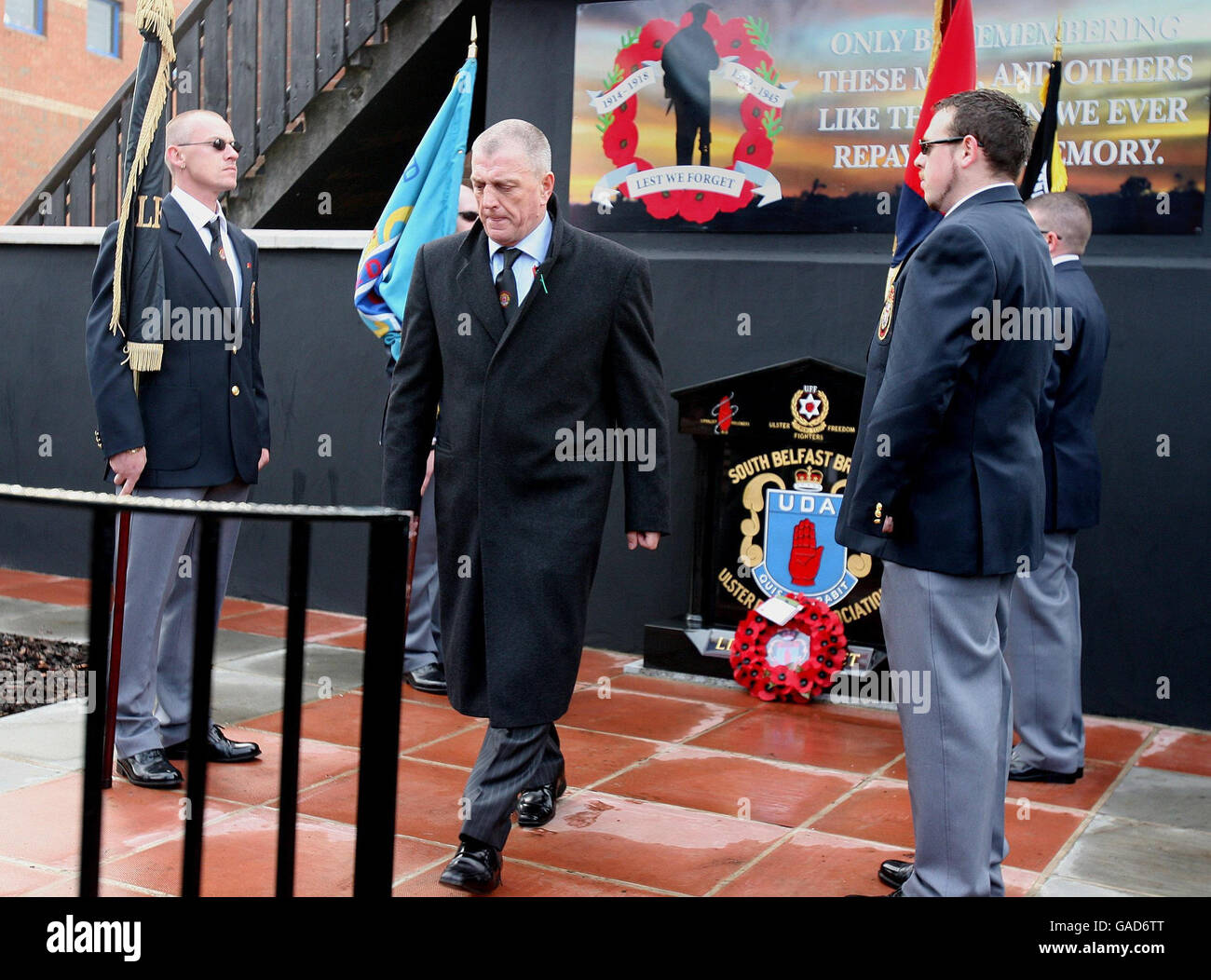
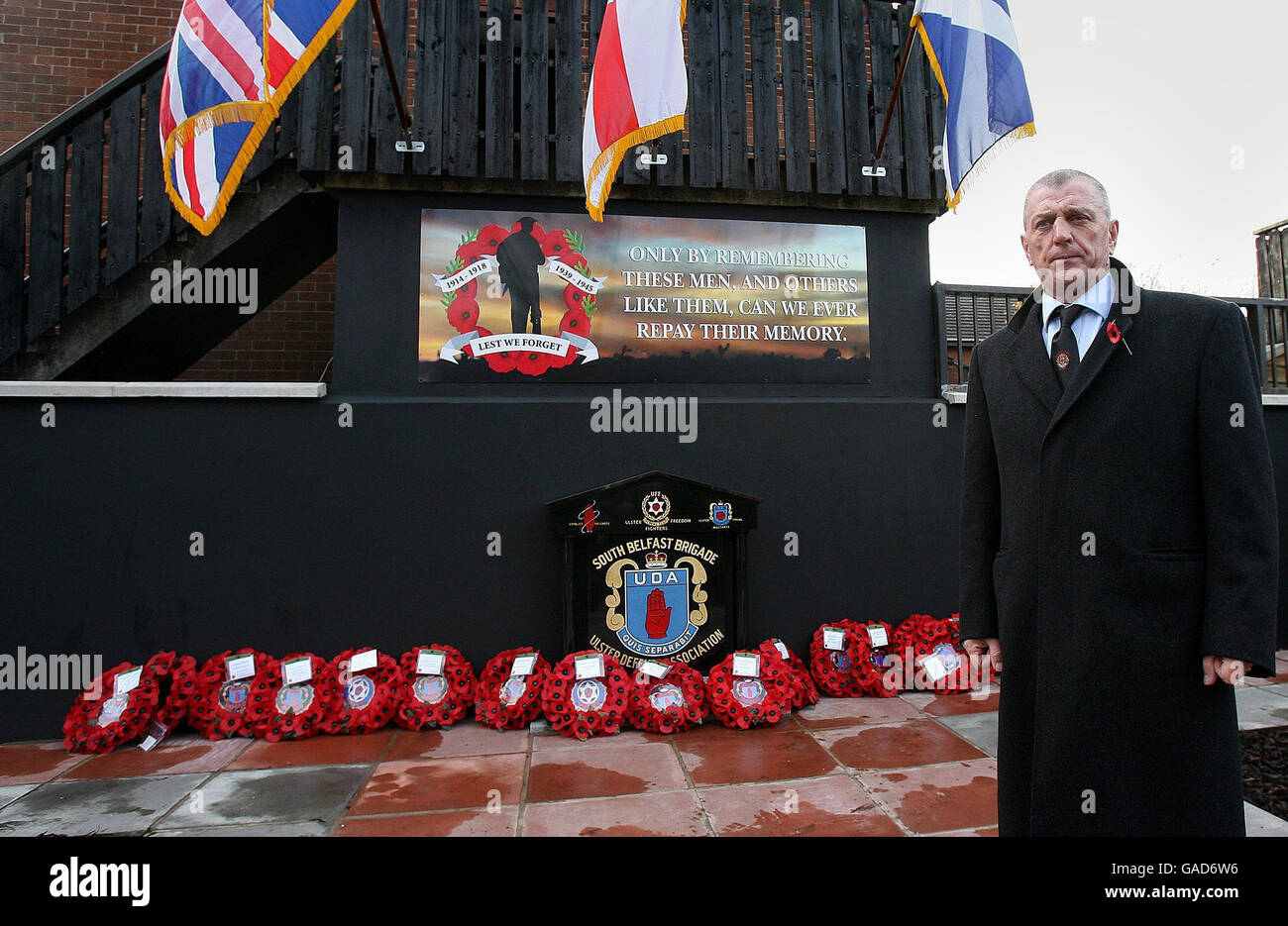
The real turning point in Jackie McDonald’s career came in December 1987 when his mentor, John McMichael — the charismatic South Belfast Brigadier and political thinker behind the Ulster Democratic Party — was killed by an IRA car bomb outside his home. McMichael’s assassination left a vacuum that McDonald was perfectly positioned to fill.
He was promoted to Brigadier of the South Belfast Brigade, replacing the discredited Alex Kerr (who later defected to the Loyalist Volunteer Force), and gained a coveted seat on the UDA’s ruling Inner Council. This elevation marked the beginning of an era in which McDonald would become the organization’s most consistent and dominant figure.
Over the following decades, the Inner Council would see dramatic turnover. Members were assassinated by republicans, killed in internal feuds, expelled for disloyalty, died of natural causes, or simply faded away.
Through it all, McDonald remained. His longevity is unparalleled within the UDA, rivaled only by the UVF’s veteran chief John “Bunter” Graham.
Loyalist sources describe him as a chess master who moves pieces with precision, removing threats and installing loyal lieutenants while keeping himself largely untouchable thanks to a network of powerful political and governmental contacts.
The Extraordinary Relationship with Martin McAleese
Perhaps the most striking evidence of McDonald’s political reach came to light in late 2025 when previously classified government documents were released.
The papers revealed the depth of his relationship with Martin McAleese, husband of then-Irish President Mary McAleese. During the delicate negotiations surrounding the Good Friday Agreement and the years that followed, Martin McAleese made a deliberate effort to build personal relationships with key loyalist figures.
He organized golf outings for senior UDA members, hosted social events, and reportedly intervened to help McDonald obtain an emergency Irish passport after the loyalist leader misplaced his British one.
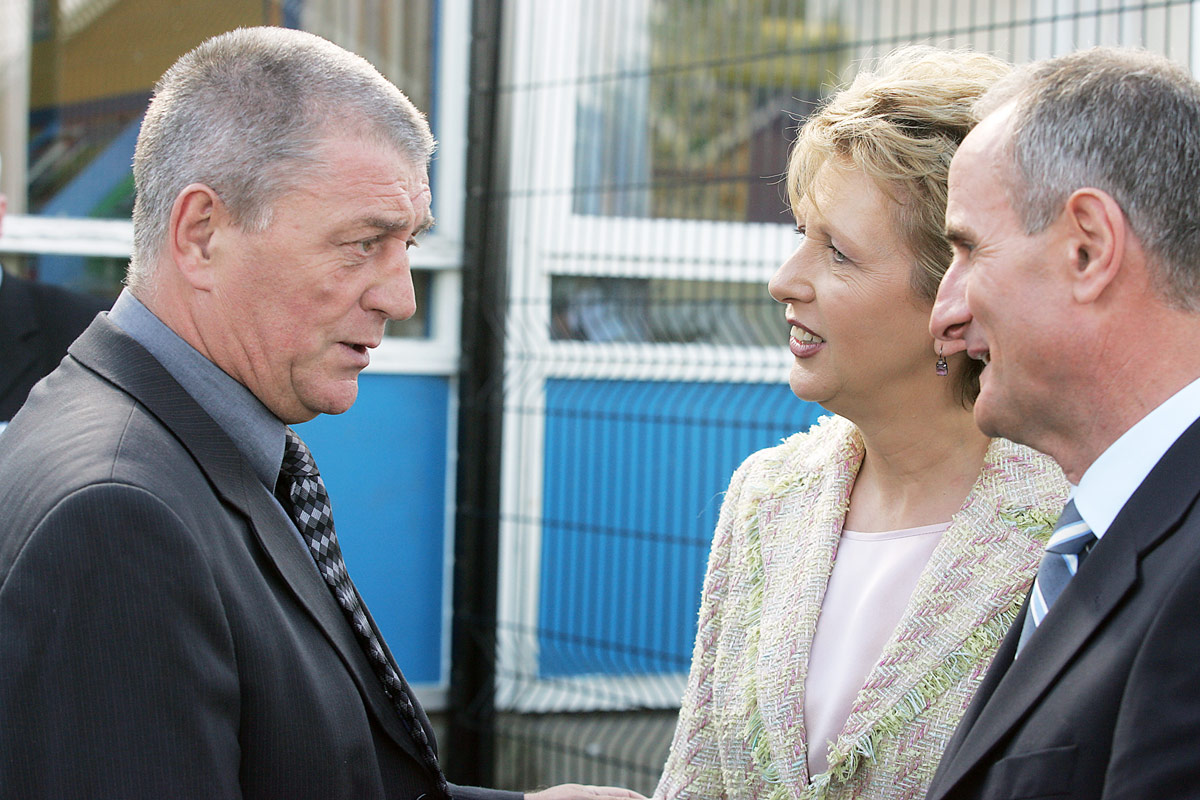
These interactions were part of a broader strategy to encourage loyalist paramilitaries to transition away from violence and toward eventual disbandment. McDonald became a central point of contact, meeting with the McAleeses at Áras an Uachtaráin, attending lunches in Dublin, and appearing publicly alongside them.
The relationship extended to community level: in 2005, the McAleeses visited Taughmonagh Primary School in McDonald’s home estate, where he welcomed them warmly. These images of a former Irish President standing alongside the UDA’s most powerful commander remain among the most symbolically powerful — and controversial — moments of the peace process.


Mastery of UDA Internal Feuds and Power Struggles
Despite his political engagements, McDonald has never lost his grip on the UDA’s internal dynamics. The organization has always been prone to violent self-destruction, and he has repeatedly positioned himself as the ultimate arbiter.
In the early 2000s, he initially mentored the young Andre Shoukri — nicknamed the “Bookies Brigadier” for his gambling habit — who seized control of North Belfast at just 25 years old. When McDonald grew suspicious of Shoukri’s close ties to the notorious Johnny “Mad Dog” Adair, he orchestrated his removal.
The flashpoint came in December 2003 when Adair’s C Company murdered South East Antrim Brigadier John “Grugg” Gregg as he returned from a Rangers football match. McDonald and his allies responded with a ruthless purge. Adair and his supporters were driven out of Belfast, many fleeing to Scotland where Adair still resides today.
South East Antrim subsequently broke away from the mainstream UDA under Gary Fisher, creating a rare setback for McDonald. He responded with a deliberate show of strength in a car park outside Carrickfergus, attended by the entire Inner Council, sending an unmistakable message to the breakaway faction.


From Show of Strength to the Loyalist Communities Council
McDonald has also played a central role in attempts to formalize loyalist engagement with the peace process. In 2015 he was instrumental in establishing the Loyalist Communities Council (LCC), an umbrella body representing the UDA, UVF, and Red Hand Commando.
The initiative received backing from Jonathan Powell, Tony Blair’s former chief of staff and a key architect of the Good Friday Agreement. The LCC was promoted as the vehicle through which loyalist paramilitaries would eventually disband — a promise that, as of 2026, remains unfulfilled.
Despite public criticism from figures like Lord Alderdice, who accused loyalists of failing to fully move on from violence, McDonald has consistently defended the UDA’s role.
In a revealing 2025 interview with the Irish Times, he spoke of the “hard work that goes into making nothing happen” — a reference to the effort required to prevent a return to widespread violence. At 78 years old in 2026, McDonald remains physically active, regularly attending the gym, and continues to wield influence in both community and political spheres.
His story is a complex reflection of Northern Ireland’s journey: a man who began in the shadows of extortion and violence, yet ended up sipping tea with presidents and archbishops, all while maintaining an iron grip on one of the last remaining paramilitary organizations from the Troubles era.
About the Author
