
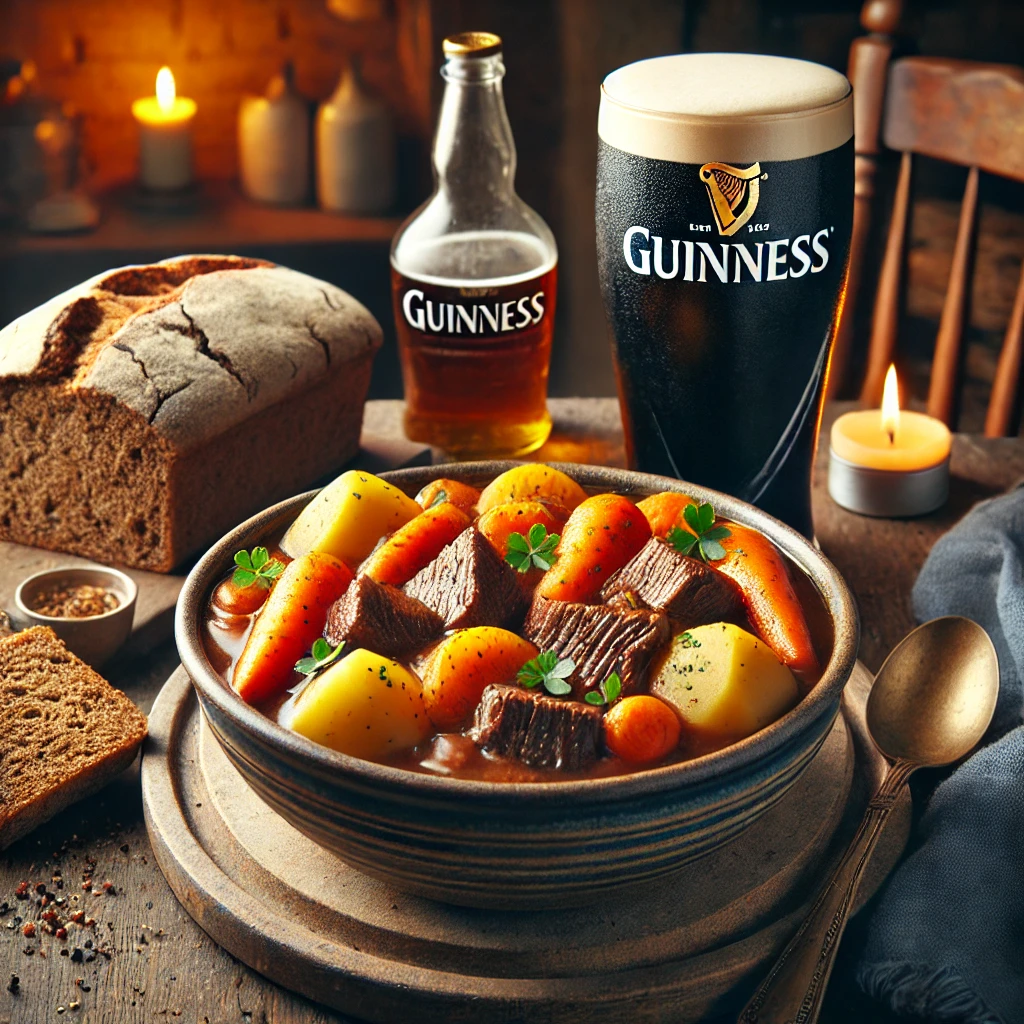
Few dishes embody the warmth and heritage of Ireland like a traditional Irish stew made with Guinness. This hearty dish combines tender meat, root vegetables, and the iconic Irish stout to create a rich, flavorful meal that has stood the test of time. From its humble beginnings in Irish households to its modern adaptations in kitchens worldwide, Guinness stew is a testament to Ireland’s culinary ingenuity.
In this comprehensive guide, we’ll explore the secrets behind this beloved dish, answer common questions, and provide tips to perfect your stew, whether you’re using a slow cooker or a stovetop. So grab a pint of Guinness and let’s dive into the heartwarming world of Irish cooking.
What Does Guinness Do to a Stew?
Guinness, with its dark, malty richness, transforms a simple stew into something extraordinary.
- Enhances Flavor: The stout adds a deep, robust flavor with hints of caramel, coffee, and chocolate.
- Tenderizes Meat: The natural acidity in Guinness helps break down tougher cuts of meat, making them incredibly tender.
- Thickens the Sauce: As Guinness reduces during cooking, it thickens the broth, creating a luxurious texture.
Can Guinness Be Used in Cooking?
Absolutely! Guinness is not just for drinking; it’s a versatile ingredient that enhances various dishes, from savory stews to desserts like Guinness chocolate cake. In cooking, it pairs especially well with:
- Meats: Beef, lamb, and pork.
- Vegetables: Root vegetables like potatoes, carrots, and parsnips.
- Breads: Irish soda bread and Guinness-infused loaves.
What’s the Difference Between Beef Stew and Irish Stew?
While both are hearty dishes, they differ in ingredients and preparation:
- Irish Stew: Traditionally made with lamb or mutton, potatoes, onions, and carrots. It has a lighter broth and focuses on showcasing the natural flavors of the ingredients.
- Beef Stew with Guinness: Uses beef as the main protein and incorporates Guinness for a rich, dark sauce. Often includes celery, parsnips, and pearl onions.
Does the Alcohol Cook Out of Guinness Stew?
When simmered for extended periods, most of the alcohol in Guinness evaporates, leaving behind its complex flavor.
- Cooking Time Matters: Stews cooked for an hour or more typically retain less than 5% of the alcohol.
- Slow Cookers: Alcohol evaporation is slower in a closed environment, so the stew may retain slightly more alcohol.
How to Make a Traditional Irish Dish with Guinness
Traditional Irish Stew Recipe
This classic recipe stays true to its roots, combining simple, hearty ingredients with the bold flavor of Guinness.
Ingredients
- 2 lbs lamb or beef, cubed
- 2 tbsp olive oil
- 1 large onion, diced
- 3 carrots, peeled and chopped
- 2 parsnips, peeled and chopped
- 4 large potatoes, peeled and cubed
- 2 cups beef or lamb stock
- 1 pint Guinness
- 2 tbsp tomato paste
- 2 tsp fresh thyme
- 2 bay leaves
- Salt and pepper to taste
Instructions
- Sear the Meat: Heat olive oil in a large pot. Brown the meat on all sides, then remove and set aside.
- Cook the Vegetables: In the same pot, sauté onions until soft. Add carrots, parsnips, and potatoes.
- Deglaze with Guinness: Pour in the Guinness, scraping the bottom of the pot to release flavorful bits.
- Simmer the Stew: Return the meat to the pot. Add stock, tomato paste, thyme, and bay leaves. Cover and simmer for 1.5 to 2 hours, stirring occasionally.
- Season and Serve: Remove bay leaves, adjust seasoning, and serve with Irish soda bread.
Variations and Modern Twists
Guinness Stew Jamie Oliver Style
Jamie Oliver’s version adds a modern twist by incorporating pearl onions and fresh parsley for a pop of flavor and color.
Easy Irish Dish Made with Guinness (Slow Cooker Version)
For a hands-off approach, try making Guinness stew in a slow cooker.
- Brown the meat and vegetables in a skillet.
- Transfer everything to the slow cooker, add Guinness and stock, and cook on low for 6-8 hours.
Grandma’s Irish Stew Recipe: A Family Treasure
Many families have their own cherished versions of Guinness stew, often passed down through generations. These recipes may include unique ingredients like:
- Leeks: For a mild onion flavor.
- Barley: To add texture and richness.
- Brown Sugar: To balance the bitterness of Guinness.
Tips for Perfecting Your Guinness Stew
- Choose the Right Cut of Meat
- Lamb shoulder or beef chuck work best for their tenderness when slow-cooked.
- Use Fresh Herbs
- Thyme and bay leaves enhance the stew’s flavor.
- Don’t Rush the Cooking
- Stews taste better when simmered slowly, allowing the flavors to meld.
- Pair with the Perfect Side
- Serve with crusty bread, mashed potatoes, or colcannon for a complete meal.
FAQs About Guinness Stew
What does Guinness do to a stew?
It adds depth, richness, and tenderizes the meat while thickening the sauce.
Can Guinness be used in cooking?
Yes, it’s versatile and enhances both savory dishes like stews and desserts like cakes.
What’s the difference between beef stew and Irish stew?
Irish stew traditionally uses lamb and a clear broth, while beef stew often includes Guinness and has a richer, darker sauce.
Does the alcohol cook out of Guinness stew?
Most of the alcohol evaporates during cooking, leaving behind its flavor.
Why Guinness Stew Is a Must-Try Dish
Guinness stew isn’t just a dish—it’s a celebration of Ireland’s culinary heritage. Combining simple ingredients with the boldness of Ireland’s most iconic stout, it’s a meal that warms both the body and soul. Whether following a traditional recipe or adding your own twist, this hearty stew is perfect for everything from family dinners to festive occasions.
For more Irish culinary inspiration, visit:
Grab your pot and pint, and let the magic of Guinness stew fill your kitchen with the flavors of Ireland. Sláinte!
You said:
ChatGPT said:
The Cultural Significance of Guinness Stew in Irish Cuisine
Guinness stew is more than just a hearty meal; it’s a reflection of Ireland’s history and culture. Born from necessity and crafted with simple, accessible ingredients, this dish symbolizes resilience and the ability to create something extraordinary from modest beginnings. Its ties to Guinness, one of Ireland’s most iconic exports, further deepen its connection to the country’s identity.
Guinness: The Soul of the Stew
Guinness stout has been brewed in Dublin since 1759 and is renowned for its rich, malty flavor. Incorporating Guinness into a traditional Irish stew not only enhances its taste but also pays homage to the stout’s role in Irish culture and hospitality. Whether served in a local pub or made in a family kitchen, Guinness stew is a dish that brings people together.
Perfect Occasions for Guinness Stew
Guinness stew is a versatile dish that fits a range of occasions, including:
- St. Patrick’s Day Celebrations: A quintessential dish to serve alongside pints of Guinness.
- Family Gatherings: Its hearty nature makes it perfect for feeding a crowd.
- Cold Winter Evenings: The warmth and richness of the stew are ideal for combating chilly nights.
Pairing Guinness Stew with Irish Sides
To elevate your Guinness stew experience, consider serving it with these traditional Irish sides:
- Irish Soda Bread: Perfect for soaking up the rich broth.
- Mashed Potatoes or Colcannon: Adds creaminess and complements the hearty stew.
- Irish Butter: Spread on bread for a touch of indulgence.
For more on Irish culinary traditions, explore Irish Stew: A Timeless Taste of Ireland’s Heart.
Why Every Kitchen Needs a Guinness Stew Recipe
Learning to make Guinness stew is like inheriting a piece of Ireland’s soul. Its simplicity, adaptability, and bold flavors make it a dish that transcends generations and borders. Whether you’re following a traditional recipe or putting your spin on it, Guinness stew allows you to connect with Ireland’s culinary roots in a meaningful way.
Linking Tradition with Modernity
Today, Guinness stew has found its place not just in Irish homes but also on menus worldwide, celebrated for its depth of flavor and cultural significance. Modern chefs, like Jamie Oliver, have introduced creative variations, blending tradition with contemporary techniques.
This adaptability ensures that Guinness stew will continue to be a beloved dish, bringing people together over its rich, comforting taste.
A Taste of Ireland
Guinness stew is more than just food; it’s a story told through taste, a celebration of Ireland’s heritage. By making this dish, you’re not only honoring the flavors of the Emerald Isle but also preserving a piece of its history.
For more culinary adventures and insights into Ireland’s rich traditions, don’t miss:
Whether it’s for St. Patrick’s Day or a cozy family dinner, let the magic of Guinness stew bring the heart of Ireland into your home. Sláinte!
About the Author

Seamus
Administrator
Seamus O Hanrachtaigh is an Irish historian, explorer, and storyteller passionate about uncovering the hidden gems and forgotten heritage of Ireland. With years of hands-on exploration across every county — from misty folklore-rich glens and ancient trails to secret coastal paths and vibrant traditional music sessions — he brings authentic, experience-backed insights to travelers seeking the real Ireland beyond the tourist trails. A regular contributor to Irish Central and other publications, Seamus specializes in Celtic traditions, genealogy, Irish history, and off-the-beaten-path road trips. Every guide on SecretIreland.ie draws from personal adventures, local conversations, rigorous research, and fresh 2026 discoveries to deliver trustworthy content filled with genuine craic and hidden stories that big guidebooks miss. When not chasing the next undiscovered spot, Seamus enjoys trad music sessions and fireside storytelling with fellow enthusiasts who value Ireland’s living culture.