By Secret Ireland Team | February 18, 2026
Rex Ryan’s Theatrical Triumph: A Chip Off the Old Block
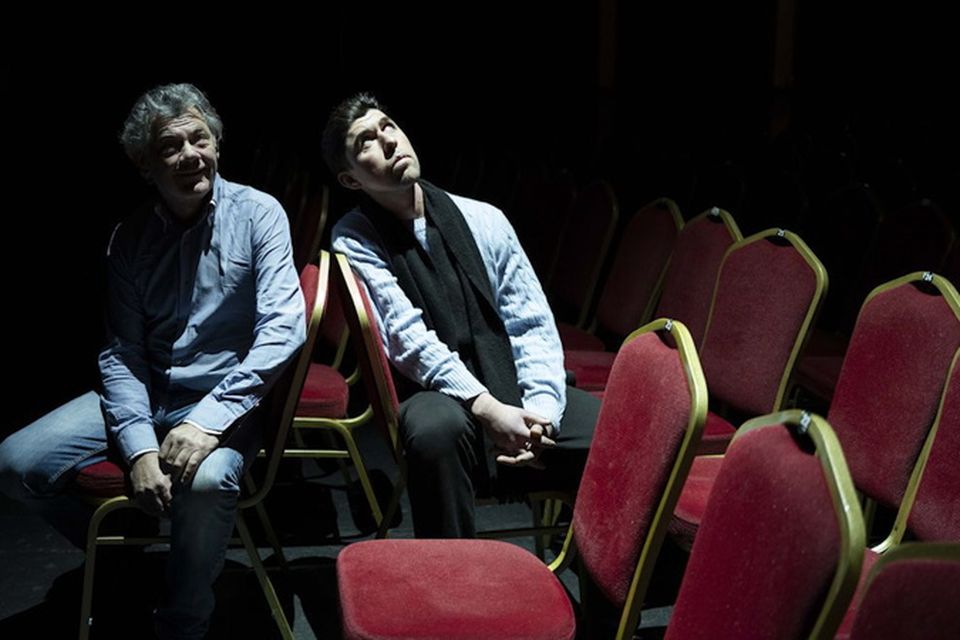
Rex Ryan, son of the legendary Irish broadcaster Gerry Ryan, showcases his multifaceted talents in “The Monk.” Growing up in Clontarf alongside Hutch, Ryan delivers a compelling, chilling, and utterly convincing portrayal of the enigmatic figure. His impersonation is so spot-on that it could send shivers down anyone’s spine, as if receiving a threat from the real Gerry Hutch.
The play explores pivotal moments in Hutch’s life, from his troubled relationship with his father “Masher” — nicknamed after a dog and who toiled endlessly with little reward — to the influence of his devoted mother. It delves into his early days with the “Bugsy Malone gang” of young delinquents, his initial prison stints as a juvenile, and his romance with wife Patricia. Ryan excels in depicting Hutch’s darker side, brimming with anger, resentment, and grievances against authorities like the Gardaí and the media.
This production isn’t Ryan’s first foray into bold storytelling. As the founder of Glass Mask Theatre, he has a history of pushing boundaries, much like his father who was known for provocative radio debates. In 2026, with Irish theatre evolving post-pandemic, shows like this blend biography, drama, and social commentary, drawing audiences eager for real-life tales.
The Controversial Prologue: Gerry Hutch’s Surprise Stage Debut
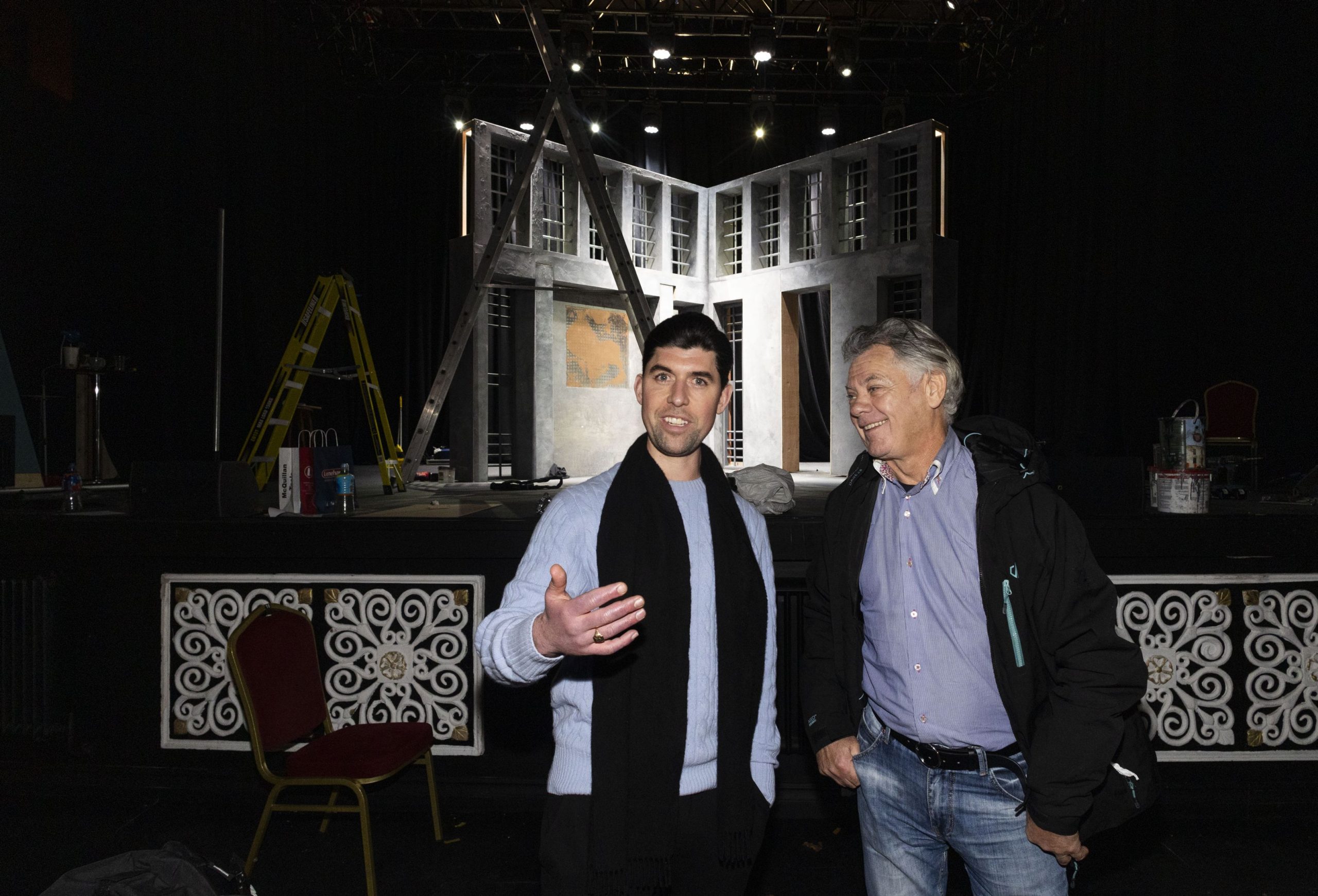
The Ambassador Theatre, located in the heart of Hutch’s childhood district in Dublin, sets the perfect backdrop for this drama. However, the opening night’s surprise — Hutch himself appearing in a prologue — turned heads for all the wrong reasons, according to Paul Williams’ review. Seated in a large armchair, the 62-year-old looked more like a genial grandfather than the feared Irish gangster he’s often portrayed as.
The audience erupted in applause and cheers, with some visibly awestruck. For over 15 minutes, Hutch fielded questions from Ryan’s off-stage voice, posing as a reporter interviewing him as a hypothetical TD following the upcoming Dublin by-election 2026. When asked how it felt to be “Gerard Hutch TD,” Hutch replied with pride: “It feels excellent. I’d like to thank the people who helped me get elected in my constituency. I’m so proud and happy to be elected as a TD.”
Further queries delved into his political plans: “I’d be asking certain questions to certain ministers, and if they are telling me lies, I’d go straight back to the people and say, ‘these people are telling me lies’.” Ending on a smug note amid laughter, Hutch advised his younger self: “I wouldn’t get caught… that was a joke.”
Williams describes this segment as bizarre, suggesting the play has been “hijacked for political propaganda” by the strategically minded Hutch. Amid his bid for the Dublin Central seat, this appearance seems timed to boost his image, blending theatre with electioneering in a way that undermines the show’s credibility.
Undermining Impartiality: Hutch’s Influence on The Monk Play
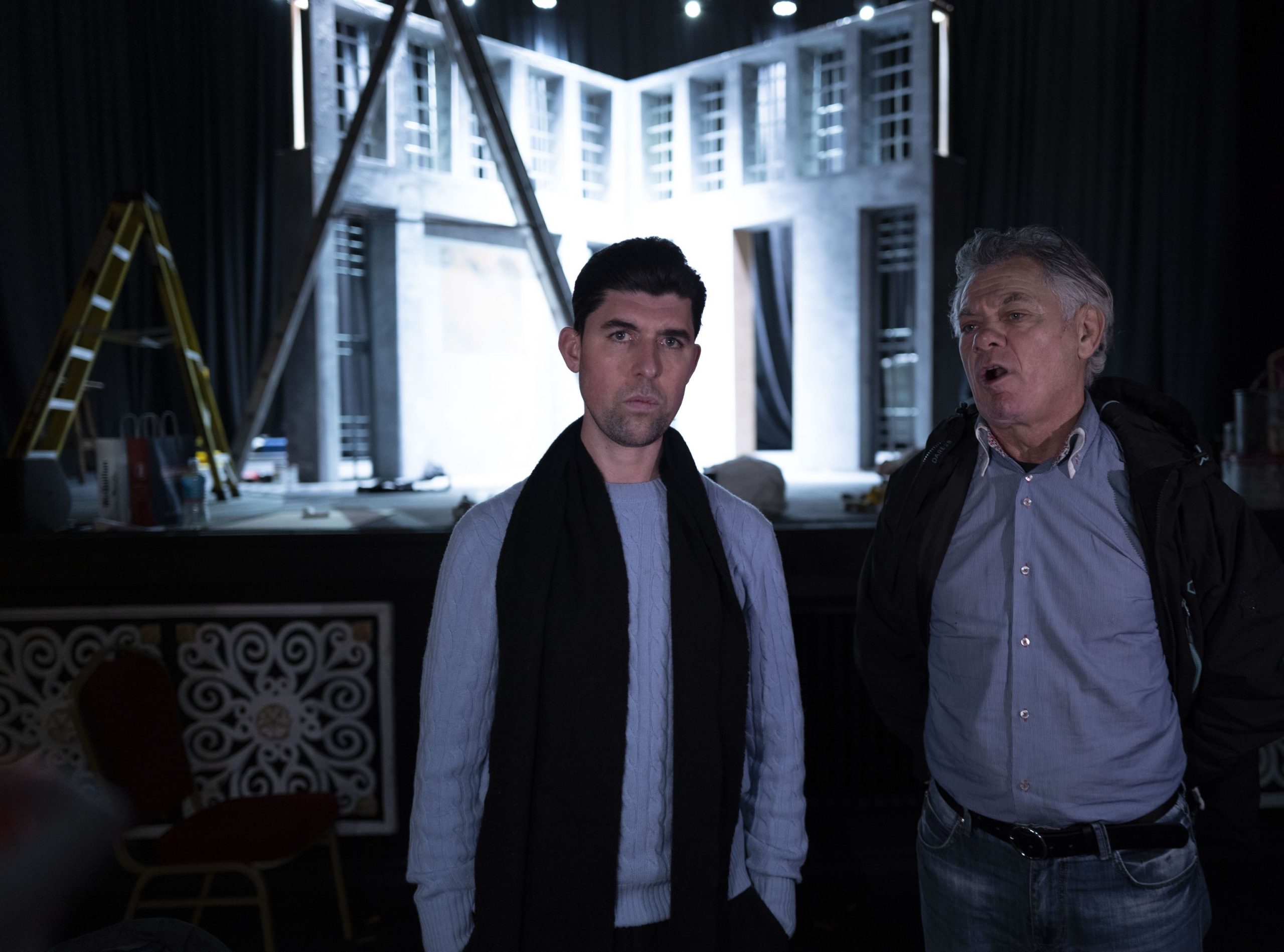
While Ryan’s performance post-prologue is lauded, the initial segment leaves an “unshakeable feeling” that the narrative lacks objectivity, having received Hutch’s seal of approval. Hutch has publicly endorsed the play, calling Ryan a “little cheeky f***er” in promotional posts and expressing excitement to watch it. The sold-out run from February 16-21, 2026, confirms its popularity, but critics question if it’s more spectacle than substance.
Other reviews echo mixed sentiments. Some praise Ryan’s raw energy and the intimate setting, while others, like Brenda Power, call it “misguided, grubby, and cynical,” a “slap in the face to law-abiding citizens.” A Garda source labeled it “foolish,” fearing it reopens wounds for victims of gangland violence.
Dark Themes: Resentment Towards Media and Authorities
The play doesn’t shy from Hutch’s grievances. A peculiar reference to journalist Veronica Guerin, murdered in 1996 after interviewing Hutch, has Ryan’s character complaining that her editor twisted the story to vilify him. He suggests she should have quit after threats — a line that unsettles given Guerin’s tragic fate amid Ireland’s drug wars.
Another thread targets RTÉ’s Paul Reynolds, whom Hutch dubbed a “dying wasp” during a 2024 election interview. Reynolds boldly confronted Hutch about his criminal past, contrasting with softer media interactions. The play portrays this resentment, highlighting Hutch’s ongoing battles with the press and law enforcement.
Gerry Hutch’s Background: From Gangster to Political Aspirant
To understand the play’s context, revisit Hutch’s storied life. Dubbed “The Monk” for his ascetic lifestyle, he rose in Dublin’s underworld, masterminding major heists. The 2016 Regency Hotel attack, part of the deadly Kinahan-Hutch feud, saw Hutch acquitted of murder in 2023. Ryan admits he never asked Hutch about the Regency, stating, “I didn’t want to know,” to maintain focus on the human story.
In 2026, Hutch’s pivot to politics adds layers. Running independently in the Dublin by-election, he positions himself as a community advocate against establishment lies. The play’s timing amplifies this narrative, drawing parallels to other reformed figures entering public life.
Public Reaction and Broader Implications for Irish Theatre
The production has sparked debates on glorifying criminals. While some see it as art exploring redemption, others view it as insensitive to victims of the feud, which claimed over 18 lives. In post-feud Ireland, where gangland echoes linger, such works challenge audiences to confront uncomfortable histories.
Ryan’s earlier 2025 run at Glass Mask Theatre was intimate; the Ambassador upgrade reflects growing demand. Yet, as Williams notes, the play shines brightest without Hutch’s overshadowing presence, allowing Ryan’s talent to take center stage.
Conclusion: A Compelling Yet Flawed Spectacle
“The Monk” exemplifies 2026 Irish theatre’s boldness, blending biography with current events. Paul Williams’ critique underscores a key flaw: Hutch’s involvement blurs lines between drama and propaganda. For theatre enthusiasts and those tracking Hutch’s Dublin by-election 2026 bid, it’s a must-see — flaws and all.
Discover more hidden stories of Irish crime, politics, and culture at Secret Ireland.
About the Author
