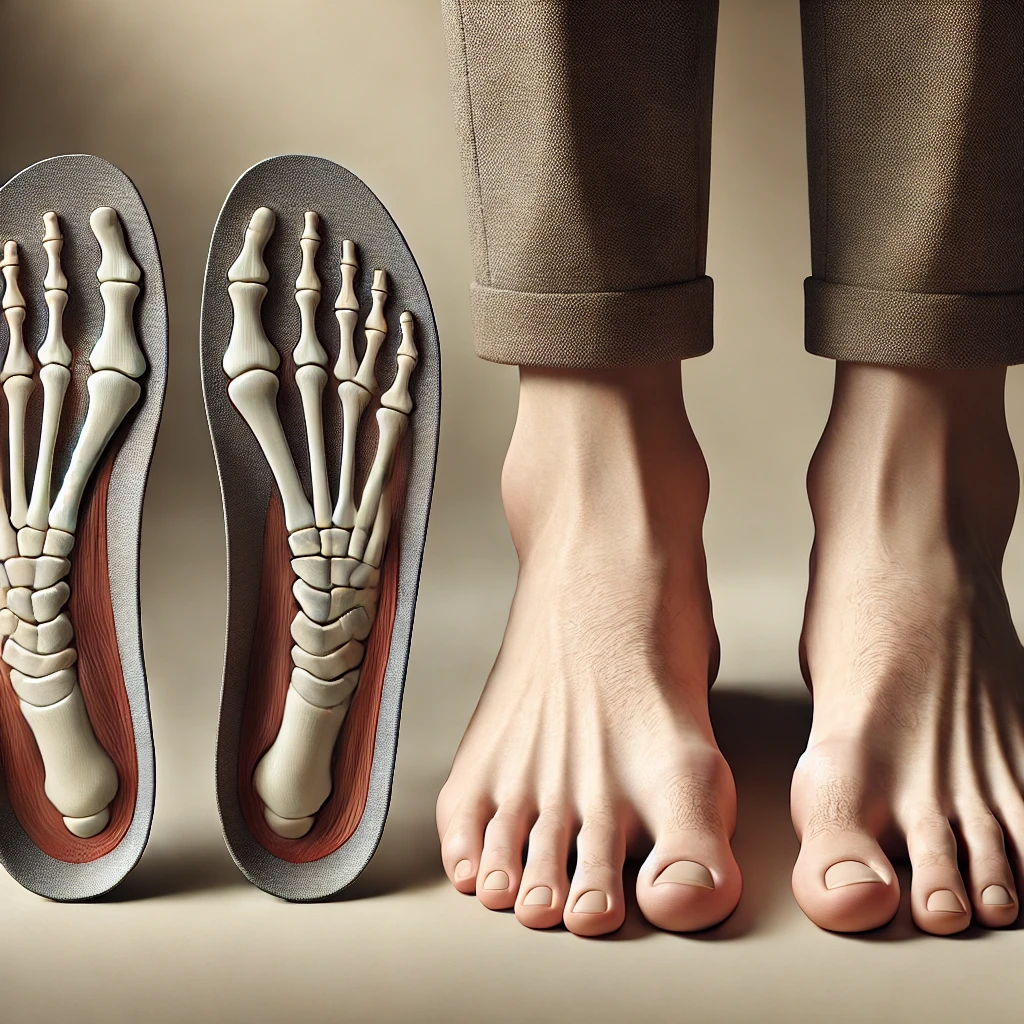
If you’ve ever struggled with foot pain, discomfort in shoes, or poor posture, your foot shape could be the root cause. Two of the most common foot structures—flat feet and the Celtic foot shape—have unique characteristics that require specialized arch support to prevent pain and long-term issues.
The Celtic foot shape, commonly found in Irish and Celtic ancestry, is known for a longer second toe (Morton’s Toe), high arches, and a wide forefoot with a narrow heel. Meanwhile, flat feet have little to no arch, causing the foot to roll inward (overpronation), which can lead to knee and lower back pain.
In this guide, we’ll help you determine whether you have flat feet or Celtic feet, explain why arch support is crucial, and show you how to find the best insoles and shoes for your specific foot structure.
🔗 Related Reads:
- The Irish Little Toe: Exploring the Myths, Meanings, and Anatomy of the Celtic Toe
- Best Shoes for Celtic Feet: Finding the Perfect Fit
- Do You Have the Celtic Toe? How It Affects Your Shoe Choice
Flat Feet vs. Celtic Feet: What’s the Difference?
Flat Feet (Low or No Arch)
- 🔹 The entire sole touches the ground when standing.
- 🔹 Feet may roll inward (overpronation), affecting posture.
- 🔹 Can lead to heel pain, shin splints, and knee problems.
- 🔹 Requires firm arch support to prevent discomfort.
Celtic Feet (High Arches & Morton’s Toe)
- 🔹 The second toe is longer than the big toe (Morton’s Toe).
- 🔹 High arches reduce natural shock absorption.
- 🔹 Feet are wider at the forefoot and narrow at the heel.
- 🔹 More prone to foot fatigue and instability.
Why Does This Matter? Both foot types require proper arch support, but the solutions differ:
✔️ Flat feet need structured support to prevent overpronation.
✔️ Celtic feet require cushioned support to reduce strain.
How to Choose the Best Arch Support for Your Foot Type
1️⃣ Best Arch Support for Flat Feet
People with flat feet need firm arch support to keep the foot from rolling inward and causing knee pain. Look for:
✔️ Structured orthotic insoles with strong arch support
✔️ Motion control shoes to prevent overpronation
✔️ Deep heel cups for proper alignment
🔹 Recommended Insoles:
✔️ Superfeet Green – High arch support for flat feet
✔️ Powerstep Pinnacle – Firm structure with shock absorption
✔️ Dr. Scholl’s Custom Fit Inserts – Budget-friendly and effective
2️⃣ Best Arch Support for Celtic Feet (High Arches & Morton’s Toe)
Celtic feet require cushioned, flexible arch support to absorb shock and prevent foot fatigue. Look for:
✔️ Soft, adaptive arch support
✔️ Extra forefoot room to accommodate a longer second toe
✔️ Cushioned insoles to prevent foot strain
🔹 Recommended Insoles:
✔️ Sof Sole Athlete Insoles – Soft cushioning for high arches
✔️ Tread Labs Pace Insoles – Ideal for high arch support
✔️ Walk Hero Arch Support Inserts – Great for everyday comfort
🛒 Shop Insoles for High Arches
Best Shoes for Flat Feet & Celtic Feet
Best Shoes for Flat Feet (Structured Support)
✔️ Brooks Beast 20 – Stability running shoe for overpronation
✔️ Asics Gel-Kayano 30 – Strong support with gel cushioning
✔️ New Balance 1540v3 – Deep heel cup for alignment
Best Shoes for Celtic Feet (High Arch Comfort)
✔️ Hoka Bondi 8 – Maximum cushioning for high arches
✔️ Altra Escalante 3 – Wide toe box for Morton’s Toe
✔️ Saucony Triumph 21 – Lightweight support
🛒 Shop Shoes for Your Foot Type
How to Test Your Arch Type at Home
If you’re unsure whether you have flat feet or high arches, try the Wet Foot Test:
1️⃣ Wet the bottom of your feet.
2️⃣ Step onto a piece of cardboard or concrete.
3️⃣ Check the imprint:
- Flat Feet: A full footprint with little arch.
- High Arches (Celtic Feet): A narrow print with little midfoot contact.
FAQs About Arch Support & Foot Types
1. Can I wear the same insoles for flat feet and high arches?
No. Flat feet need structured arch support, while high arches need cushioned support.
2. Do flat feet cause back pain?
Yes! Lack of arch support can lead to misalignment in the knees, hips, and lower back.
3. Why do my shoes always feel too tight in the front but loose in the back?
If you have Celtic feet, your wide forefoot and narrow heel create a mismatch in shoe fit. Look for brands with a natural foot shape, like Altra or Brooks.
Final Thoughts: Finding the Right Arch Support for Your Feet
Whether you have flat feet or Celtic feet, the right arch support and shoes can make a huge difference in comfort, foot health, and posture. Make sure to choose:
✅ Structured arch support for flat feet
✅ Cushioned arch support for high arches (Celtic feet)
✅ Shoes that match your foot type to prevent pain
📌 Recommended Reads:
🔹 The Irish Little Toe: Exploring the Myths, Meanings, and Anatomy of the Celtic Toe
🔹 Best Shoes for Celtic Feet: Finding the Perfect Fit
🔹 Do You Have the Celtic Toe? How It Affects Your Shoe Choice
About the Author
