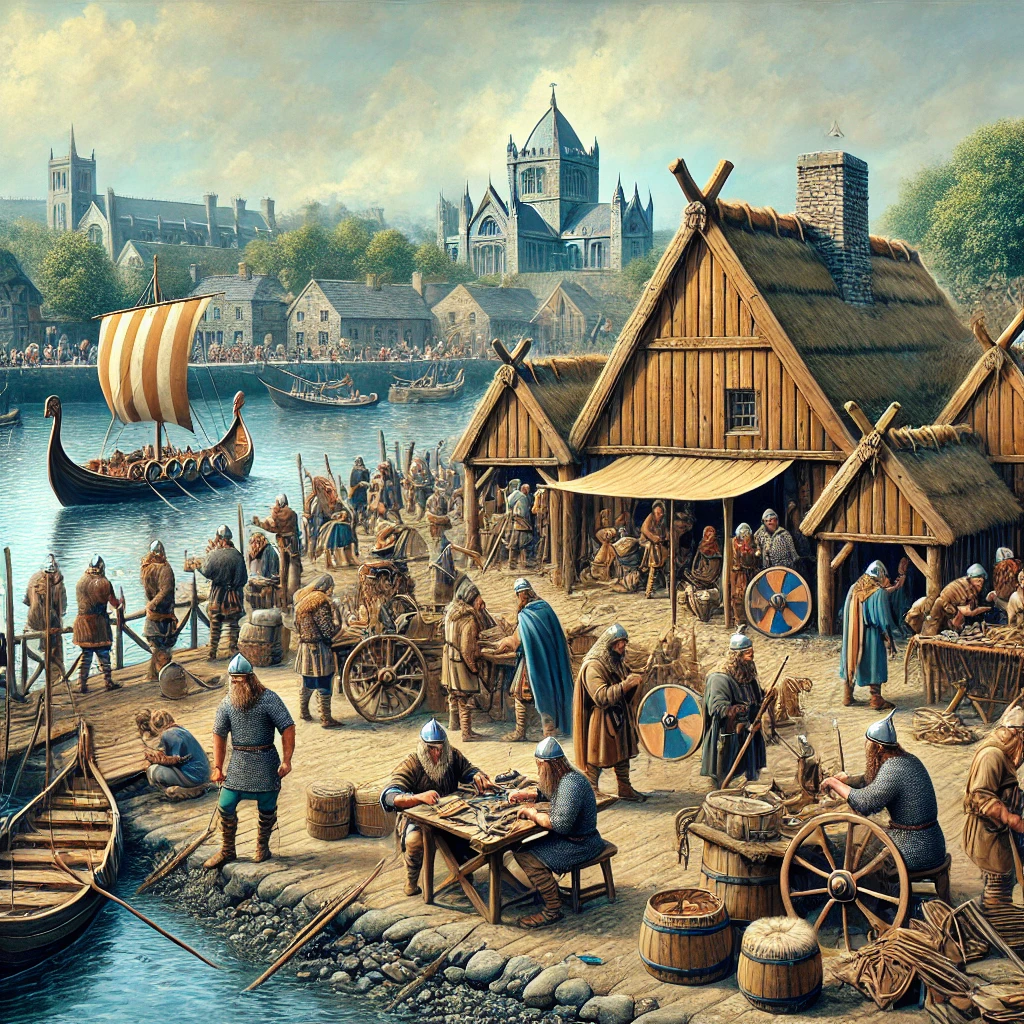
Dublin’s history is inextricably linked with the Vikings, who founded the city over a millennium ago. From the establishment of a bustling Norse settlement to the raids and battles that shaped its destiny, Dublin offers an incredible journey into the Viking past. Whether you’re a history enthusiast or simply curious about Ireland’s Norse connections, this guide will help you explore the best Viking sites, attractions, and stories in Dublin.
What Are the Two Viking Sites in Dublin?
The two most notable Viking sites in Dublin are:
- Dublinia: A highly interactive museum that immerses visitors in Viking and medieval Dublin. Located near Christ Church Cathedral, Dublinia offers a detailed look at Viking life, culture, and impact.
- Wood Quay: An archaeological site that revealed the remains of Viking Dublin during excavations in the 20th century. Artifacts discovered here are displayed at the National Museum of Ireland.
Both locations provide invaluable insights into Viking Dublin history, making them must-visit destinations on your itinerary.
What Was Dublin Called in Viking Times?
The Vikings called Dublin “Dyflin”, derived from the Irish term “Dubh Linn,” meaning “black pool.” This referred to a dark tidal pool in the River Poddle, which joined the River Liffey near present-day Dublin Castle. The area became a key Viking stronghold and trading hub, laying the foundations for the modern city.
What Happened During the Viking Raids on Dublin?
The Vikings first arrived in Ireland in 795 AD, raiding monasteries along the coast. They soon turned their attention to Dublin, founding a settlement in 841 AD. These Norse settlers established a thriving town, but their presence was marked by periodic conflict with local Irish kingdoms. Over time, Dublin became a strategic Viking base, blending Norse and Gaelic cultures.
What Is the Oldest Viking Town in Ireland?
Dublin is Ireland’s oldest Viking town, founded in 841 AD. Its central location and access to the sea made it an ideal base for Norse traders and warriors. Other significant Viking towns in Ireland include Waterford and Limerick, but Dublin remains the most prominent and historically rich.
What Is the Most Famous Viking Site?
Dublinia is arguably the most famous Viking site in Ireland. Its engaging exhibits and interactive displays bring Viking Dublin history to life, offering visitors a chance to step into the shoes of Norse settlers. From reconstructed Viking houses to artifacts unearthed at Wood Quay, Dublinia provides a comprehensive and immersive experience.
Where Is the Viking Heritage Site?
The Viking heritage site in Dublin is located at Wood Quay, where significant archaeological discoveries were made. Nearby, you’ll find Dublinia and Christ Church Cathedral, both of which showcase the city’s Viking past. Artifacts from Wood Quay are housed in the National Museum of Ireland on Kildare Street.
What Was Found at Wood Quay?
The Wood Quay excavations uncovered a treasure trove of Viking artifacts, including tools, weapons, jewelry, and the remains of Viking homes. This site provided invaluable insights into the daily lives of Norse settlers in Dublin. The discoveries sparked a renewed interest in preserving Dublin’s Viking heritage.
Where Can I See Viking History in Ireland?
In addition to Dublinia and Wood Quay, Viking history in Ireland can be explored at:
- The National Museum of Ireland (Kildare Street): Home to an extensive collection of Viking artifacts.
- Waterford’s Viking Triangle: A cultural and historical district highlighting Ireland’s second-oldest Viking settlement.
- Wexford and Limerick: Other key towns with Norse roots and Viking-themed attractions.
For more Viking-related adventures, visit Vikings in Ireland: A Journey Through Their Legacy, History, and Impact.
Can You Go Inside Dublin Castle?
Yes, Dublin Castle is open to the public and offers guided tours. While much of the current structure dates to the medieval and Georgian periods, the castle’s foundations include Viking elements. Visitors can explore the castle’s State Apartments, medieval undercroft, and the Chester Beatty Library.
A Viking Journey Through Dublin Itinerary
To make the most of your Viking-themed adventure, here’s a suggested itinerary:
Morning
- Start at Dublinia: Spend 1–2 hours exploring the interactive exhibits and learning about Viking Dublin history.
- Visit Christ Church Cathedral: Adjacent to Dublinia, this iconic cathedral features Viking-era artifacts and stunning architecture.
Afternoon
- Explore Wood Quay: Walk along the site where Viking remains were uncovered, then head to the National Museum of Ireland to see the artifacts.
- Lunch: Enjoy a meal at a nearby pub or café, with many offering Viking-inspired dishes.
Evening
- Viking Splash Tour: End your day with this unique amphibious tour, blending history with fun as you explore Dublin by land and water.
A Viking Journey Through Dublin Reviews
Visitors rave about the immersive experience offered by Dublin’s Viking attractions. Dublinia and the Viking Splash Tour are particularly praised for their engaging presentations and family-friendly appeal. Many reviews highlight the knowledgeable guides and the seamless blend of history and entertainment.
A Viking Journey Through Dublin Price
- Dublinia tickets: Adults €14, Children €8.
- Viking Splash Tour price: Tickets range from €22 to €28 for adults, with discounts for children and families.
For up-to-date pricing and ticket availability, visit the official websites or check local travel platforms.
Viking Splash Tours Reviews
The Viking Splash Tour is one of Dublin’s most popular attractions, offering a lively and entertaining take on the city’s Viking and medieval history. Reviews consistently praise the humor of the guides, the unique amphibious vehicles, and the mix of sightseeing and storytelling. This tour is a hit with families and history buffs alike.
Viking Dublin Map
A Viking Dublin map is essential for exploring the city’s historical sites. Key locations to include:
- Dublinia
- Christ Church Cathedral
- Wood Quay
- Dublin Castle
- The National Museum of Ireland
These sites form the heart of Dublin’s Viking legacy, providing a rich and rewarding journey through the past.
Conclusion: A Viking Journey Through Dublin
Dublin’s Viking history is a story of exploration, conquest, and cultural exchange. From the bustling streets of Dyflin to the archaeological treasures of Wood Quay, the city offers a fascinating glimpse into its Norse past. Whether you’re visiting Dublinia, embarking on the Viking Splash Tour, or exploring Dublin Castle, you’ll find countless opportunities to connect with history.
For more on Ireland’s Viking and cinematic heritage, explore:
- Where in Ireland Was Vikings Filmed? Exploring the Iconic Locations of the Hit Series
- The Battle of Clontarf: A Defining Moment in Irish and Viking History
Plan your Viking adventure today and immerse yourself in the rich history of Dublin’s Norse roots. Whether you’re stepping back in time at Dublinia or sailing the streets with Viking Splash Tours, your journey will be one for the ages.
About the Author
