
Celtic symbols are a fascinating blend of art, history, and spirituality, deeply rooted in the traditions of Ireland, Scotland, and other Celtic regions. From intricate knots to ancient patterns, these symbols hold profound meanings that have endured for centuries. Whether you’re exploring Celtic symbols and meanings tattoos, seeking inspiration for a family emblem, or uncovering their historical significance, this guide will take you through the most iconic Celtic designs and their meanings.
What is the Most Powerful Celtic Symbol?
One of the most powerful and widely recognized Celtic symbols is the Triskelion (or Triskele).
- Meaning: Representing the concept of motion and progress, it symbolizes life’s three domains—earth, water, and sky—or past, present, and future.
- Why it’s powerful: The continuous movement in its design conveys resilience, eternity, and growth.
Another contender for the most powerful symbol is the Awen, known as the “three rays of light.” This design represents inspiration, creativity, and balance.
What Are Scottish Celtic Symbols?
Scotland, like Ireland, has a rich history of Celtic art and symbolism. Key Scottish Celtic symbols include:
- The Claddagh
- Though Irish in origin, the Claddagh’s themes of love, loyalty, and friendship resonate deeply across Celtic regions.
- The Saltire (St. Andrew’s Cross)
- Scotland’s national flag and a Celtic emblem of faith and protection.
- The Thistle
- Not strictly Celtic but often associated with Scottish heritage, symbolizing resilience and defense.
- Celtic Knots
- Intricate knots with no beginning or end, representing eternity and interconnectedness.
What is the Symbol of the Irish?
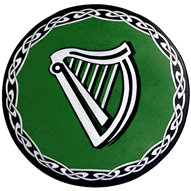
The Irish harp is the most iconic symbol of Ireland, representing pride, tradition, and sovereignty. It appears on Irish coins, government seals, and Guinness logos.
Additionally, the Shamrock is a widely recognized Irish emblem. According to legend, St. Patrick used the shamrock’s three leaves to explain the Christian Holy Trinity, though it also holds pre-Christian significance as a symbol of natural harmony.
Are Celtic Symbols Pagan?
Yes, many Celtic symbols have pagan origins. Before the arrival of Christianity, the Celts used these symbols in rituals, art, and daily life to express their connection to nature, spirituality, and the divine.
Examples of Pagan Celtic Symbols
- The Spiral
- Found in ancient Celtic carvings, it represents life’s journey, growth, and the cycle of birth and rebirth.
- The Tree of Life (Crann Bethadh)
- Symbolizing the link between heaven and earth, it was central to Celtic paganism and Druidic practices.
While many Celtic symbols were later adapted by Christianity, their pagan roots remain significant in their meanings.
Popular Celtic Symbols and Their Meanings
1. The Celtic Knot
- Meaning: Representing eternity, interconnectedness, and the unbreakable bond between people, nature, and the divine.
- Use: Frequently featured in tattoos, jewelry, and art.
2. The Claddagh
- Meaning: Love (heart), loyalty (crown), and friendship (hands).
- Use: A popular choice for rings, symbolizing enduring relationships.
3. The Tree of Life (Crann Bethadh)
- Meaning: Connection, balance, and harmony between heaven, earth, and the underworld.
- Use: Often used to represent family ties and ancestry.
4. The Triskelion (Triskele)
- Meaning: Progress, motion, and the power of threes—life’s cycles, nature’s elements, or spiritual realms.
5. The Spiral
- Meaning: Spiritual growth, life cycles, and energy flow.
- Use: Found in ancient Celtic carvings and modern tattoos.
6. Celtic Cross
- Meaning: A blend of Christian and pagan symbolism, representing faith and the connection between the material and spiritual worlds.
7. The Shield Knot
- Meaning: Protection from harm and evil.
- Use: A popular Celtic symbol for protection, often used in battle or on homes.
8. The Awen
- Meaning: Inspiration, creativity, and harmony.
9. The Shamrock
- Meaning: Harmony and balance, as well as Christian faith.
10. The Horseshoe
- Meaning: Luck and protection, often associated with Celtic folklore.
Celtic Symbols for Specific Themes
Celtic Symbols for Love
- Claddagh: Love, loyalty, and friendship.
- Eternal Knot: Interconnected love and eternity.
Celtic Symbols for Family
- Tree of Life: Connection between generations.
- Celtic Knots: Unbreakable bonds.
Celtic Symbols for Strength
- Triskelion: Resilience and motion.
- Celtic Cross: Endurance and faith.
Celtic Symbol for Protection
- Shield Knot: Wards off harm and evil.
Celtic Symbols in Tattoos
Celtic tattoos are a timeless way to showcase your heritage, values, or personal beliefs. Here are some popular designs:
- Celtic Knot Tattoos: Representing eternity and interconnectedness.
- Tree of Life Tattoos: A symbol of family and growth.
- Awen Tattoos: Ideal for creative souls.
- Shield Knot Tattoos: For protection and strength.
Using a Celtic symbols and meanings chart can help you choose a design that resonates with your personal story.
Ancient Celtic Symbols in Modern Times
Today, Celtic symbols are celebrated worldwide, not just in Ireland and Scotland. They appear in jewelry, tattoos, art, and even corporate branding. These timeless designs bridge the gap between ancient traditions and modern interpretations.
FAQs About Celtic Symbols
What is the most powerful Celtic symbol?
The Triskelion is often regarded as the most powerful symbol, representing motion, resilience, and the cycles of life.
What are Scottish Celtic symbols?
Scottish Celtic symbols include the Celtic Knot, Saltire, and Thistle, reflecting Scotland’s unique cultural heritage.
What is the symbol of the Irish?
The Irish Harp is the national symbol, while the Shamrock and Claddagh are also widely recognized.
Are Celtic symbols pagan?
Many Celtic symbols, such as the Tree of Life and Spiral, have pagan origins, though some were later adapted by Christianity.
Conclusion: Exploring Celtic Symbols and Their Meanings
Celtic symbols are a beautiful expression of Ireland and Scotland’s rich cultural heritage. Whether you’re drawn to the Celtic knot meaning, seeking a symbol for protection, or exploring Celtic symbols for love, these designs offer timeless wisdom and inspiration.
For more insights into Irish culture and hidden gems, visit Secret Ireland. Let the ancient artistry of Celtic symbols guide and inspire your journey.
Sláinte!
How to Incorporate Celtic Symbols into Your Life
Celtic symbols carry deep meanings and are a powerful way to connect with heritage and spirituality. Here are some ways to bring these timeless designs into your daily life:
1. Jewelry and Accessories
- Claddagh Rings: A classic symbol of love and loyalty.
- Tree of Life Pendants: Representing family and harmony, these make meaningful gifts.
- Celtic Knot Bracelets: A subtle yet stylish way to carry the symbolism of eternity and connection.
2. Home Décor
- Wall Art: Incorporate framed prints of the Tree of Life or Triskelion to add a touch of Celtic tradition to your home.
- Textiles: Cushions, blankets, or rugs with Celtic knotwork patterns bring timeless elegance to any room.
- Carvings and Sculptures: Handcrafted wooden or stone designs add a rustic and authentic feel.
3. Tattoos
Tattoos are a deeply personal way to honor Celtic heritage. Popular designs include:
- Shield Knot Tattoos: For strength and protection.
- Awen Tattoos: Ideal for creatives seeking balance and inspiration.
- Family Knot Tattoos: Customized Celtic knots symbolizing family unity.
4. Celebrations and Ceremonies
- Wedding Rings: Celtic knot patterns are a popular choice for wedding bands, symbolizing eternal love.
- Family Crests: Incorporate Celtic symbols into your family crest or coat of arms to honor ancestry.
- Festivals: Use symbols like the Shamrock or Tree of Life during St. Patrick’s Day celebrations or Celtic festivals.
The Enduring Appeal of Celtic Symbols
Celtic symbols have stood the test of time, continuing to inspire people across generations and cultures. Their meanings—whether rooted in love, protection, or spirituality—resonate universally, making them as relevant today as they were centuries ago.
Whether you’re exploring their ancient origins or embracing modern interpretations, Celtic symbols offer a profound way to connect with the past, celebrate the present, and guide the future.
For a deeper dive into Irish heritage, visit Secret Ireland to explore more about Ireland’s culture, history, and timeless traditions.
About the Author
